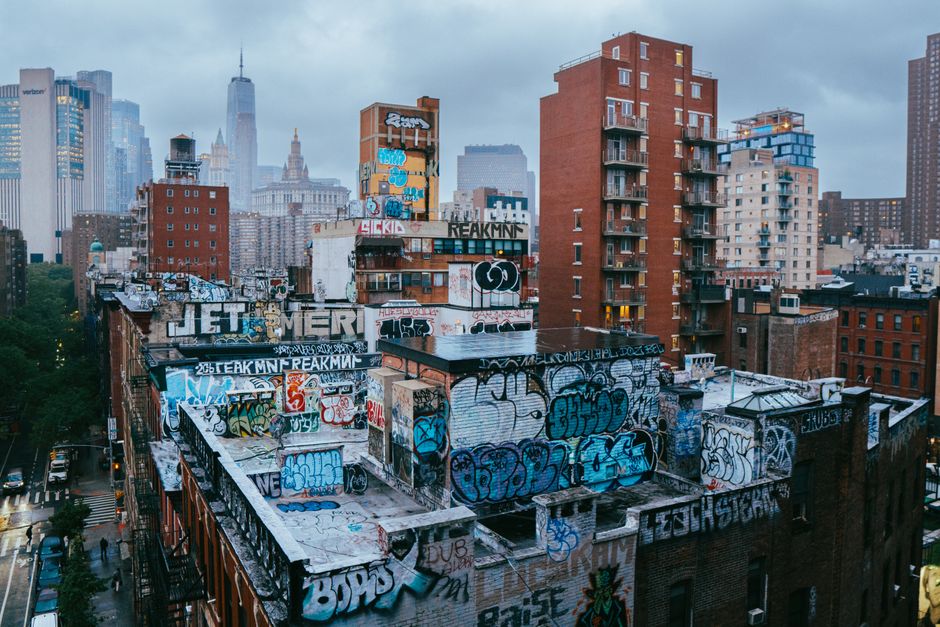
The Next Wave: Emerging Voices Reshaping New York's Street Art Districts
As Williamsburg and the Lower East Side mature, a new generation of artists is claiming Astoria, Sunset Park, and emerging pockets across the outer boroughs.
As Williamsburg and the Lower East Side mature, a new generation of artists is claiming Astoria, Sunset Park, and emerging pockets across the outer boroughs.
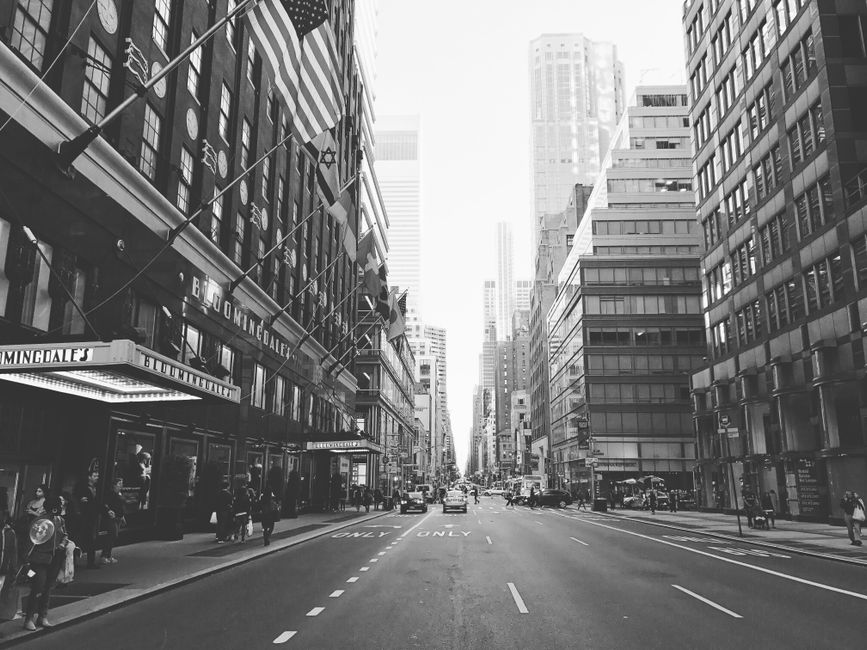
Walk along Roosevelt Avenue in Astoria on a Saturday morning and you'll witness something The Daily New York's culture desk has been quietly tracking: a seismic shift in where New York's most innovative street artists are choosing to work. The gentrified galleries of Williamsburg and the heritage-protected walls of the Lower East Side have given way to a younger cohort claiming space—and walls—in neighborhoods where rents haven't yet priced out ambition.
The statistics tell the story. Community Board surveys across Queens show a 340% increase in sanctioned mural projects over the past three years, many led by artists under 30 who've grown frustrated with the gatekeeping of established creative districts. Sunset Park in Brooklyn has seen similar momentum, with the industrial waterfront between 43rd and 50th Street becoming an unlikely nexus of large-scale work that rivals anything in North Williamsburg—minus the Instagram crowds and $8 coffee.
"This generation didn't wait for permission from legacy institutions," says a representative from Street Art NYC, the nonprofit that tracks and documents emerging muralists across the five boroughs. They've pivoted toward hyperlocal organizing: pop-up art festivals in Jackson Heights, warehouse collectives in Long Island City, and the unexpected emergence of Greenpoint's Franklin Street corridor as a testing ground for experimental approaches.
What distinguishes this wave? Thematically and aesthetically, these artists are drawing from multilingual, immigrant-centered narratives—reflecting the actual neighborhoods they inhabit. The pastiche of hyper-commercial street art that defined Instagram's influence has given way to work engaging climate anxiety, labor politics, and the particular grief of displacement. Artists are collaborating with local nonprofits rather than waiting for municipal approval or corporate sponsorship.
Institutions are beginning to notice. The Knockdown Center in Maspeth and Welling Court Mural Project in Astoria have become informal talent pipelines, while galleries along White Street in Tribeca have quietly begun acquiring pieces from emerging street artists—though many still refuse the gallery transition, viewing it as co-optation.
The economics remain precarious. Most artists sustain their practice through teaching, part-time gallery work, or collaborative community projects that pay $500-$2,000 per mural. Yet unlike the 2010s, when street art became a gentrification accelerant, this cohort is deliberately working in neighborhoods still fighting displacement, embedding their work in the social fabric rather than decorating it.
By 2027, these outer-borough creative clusters may face their own legitimacy crisis. For now, though, they represent something authentic: art that emerges from necessity and community rather than market calculation.
This article was compiled by AI from the sources linked above and screened before publishing. See our editorial standards.
How does this story make you feel?
Spread the word
About this article
Published by The Daily New York
Daily brief
Free, in your inbox before 7am. Weekdays.
More in culture