How the Lower East Side's Theater Scene Went From Tenement Stages to Broadway Incubator
A century of transformation on Ludlow Street reveals how New York's most immigrant neighborhood became the birthplace of American experimental theater.
A century of transformation on Ludlow Street reveals how New York's most immigrant neighborhood became the birthplace of American experimental theater.
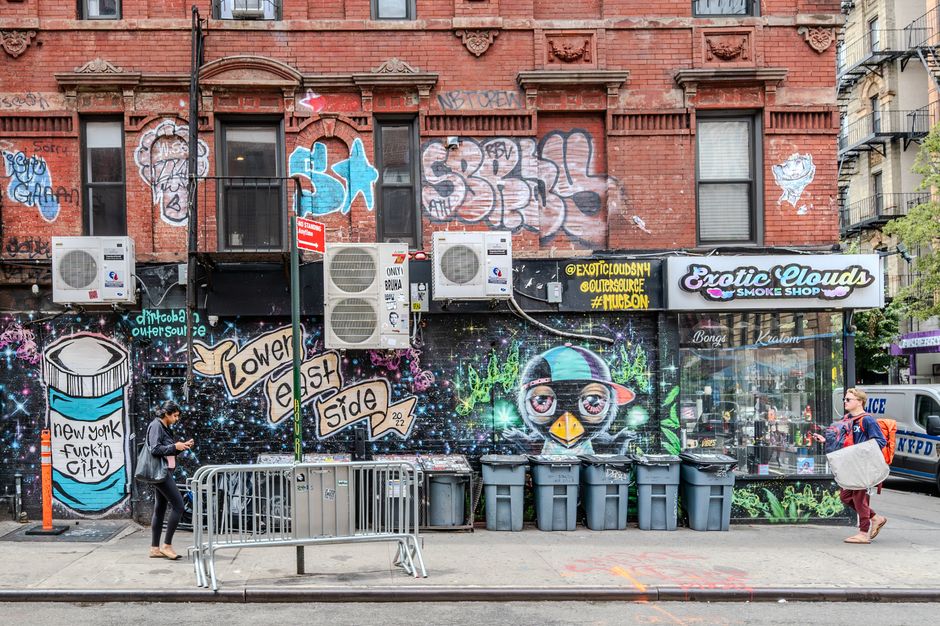
Walk down Ludlow Street on any given night and you'll pass half a dozen theaters within a single block. The Landmark Sunshine Cinema, the Bowery Poetry Club, the Nuyorican Poets Cafe—each venue tells a story of cultural reinvention that defines not just the Lower East Side, but New York itself.
This wasn't always a destination for theater devotees. In the 1920s and 1930s, when Yiddish-speaking immigrants packed tenements on the same streets, theater meant something different entirely. The Yiddish Art Theatre on Second Avenue drew thousands to productions in their native language, filling halls with the sounds of old-world culture adapting to American life. Those venues—many of them now disappeared—were survival mechanisms, sanctuaries where community identity remained intact amid rapid assimilation.
The transformation accelerated after World War II. As Puerto Rican and Dominican families arrived in the 1950s and 1960s, they brought their own theatrical traditions. The Nuyorican Poets Cafe, founded in 1973, emerged from this migration pattern, becoming a beacon for Latinx artists when mainstream venues ignored them. It wasn't gentrification; it was cultural persistence against erasure.
By the 1970s, the neighborhood's economic decline paradoxically created opportunity. Cheap rents attracted avant-garde theater companies fleeing Manhattan's increasingly commercial theater district. Off-Off Broadway was born here—literally. Theater companies operated in cramped storefronts and basements, charging $5 to $15 for tickets, taking risks mainstream theaters wouldn't touch. The Wooster Group's performances at their St. Mark's Place loft pushed boundaries that Broadway couldn't accommodate. These experimental spaces became training grounds for directors and performers who would later define American theater.
Today's Lower East Side theater landscape reflects all these layers. The Merchant's House Museum on East Fourth Street still stands as a time capsule of 19th-century life. The Tenement Museum on Orchard Street documents the actual lived experience of immigrants who once dominated the neighborhood. Meanwhile, newer venues continue the tradition of risk-taking, hosting everything from devised theater to performance art.
The real story isn't gentrification's triumph or cultural loss—it's elasticity. Each wave of arrivals found expression on these streets. Yiddish gave way to Spanish, experimental theater took root where immigrant culture had flowered, and today's diverse programming reflects a neighborhood that's always been a stage for reinvention. That's what makes the Lower East Side's theater history uniquely New York: a perpetual conversation between what was and what comes next.
This article was compiled by AI from the sources linked above and screened before publishing. See our editorial standards.
How does this story make you feel?
Spread the word
About this article
Published by The Daily New York
Daily brief
Free, in your inbox before 7am. Weekdays.
More in culture