New York's art world operates on a scale that can feel overwhelming—there are roughly 2,000 galleries across the five boroughs, alongside major institutions that draw millions annually. But navigating this ecosystem becomes manageable once you understand the geography and rhythms that define the scene.
Start with the obvious anchors. Museum Mile on the Upper East Side—spanning Fifth Avenue from 82nd to 105th Street—remains non-negotiable. The Metropolitan Museum of Art, American Museum of Natural History, and Guggenheim are household names, but consider the lesser-known institutions too: the Jewish Museum and El Museo del Barrio offer intimate encounters with extraordinary collections. Tuesdays through Sundays typically see the longest lines; weekday mornings are your sweet spot. Most major museums now operate on a suggested-admission model, meaning New Yorkers and visitors can technically enter for less—though the suggested $35 admission remains aspirational for many.
Chelsea has eclipsed SoHo as the contemporary gallery capital. West 20s and 24th Street now host over 200 galleries, from blue-chip heavyweights like Gagosian and Hauser & Wirth to scrappy artist-run spaces. Gallery-hopping here costs nothing—most Chelsea galleries are free and thrive on foot traffic. Plan three to four hours and wear comfortable shoes.
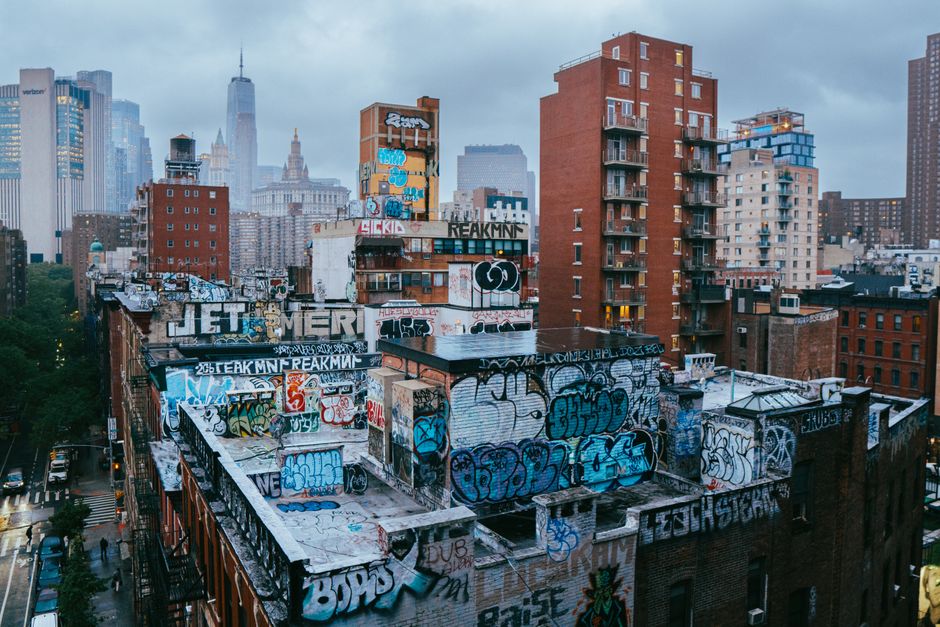
Downtown deserves equal attention. The Lower East Side's Orchard Street galleries punch above their weight, while the Financial District's Drawing Center and nearby artist collectives showcase experimental work. Brooklyn—particularly Williamsburg's Northside and DUMBO's waterfront galleries—has matured into its own destination rather than a secondary option.
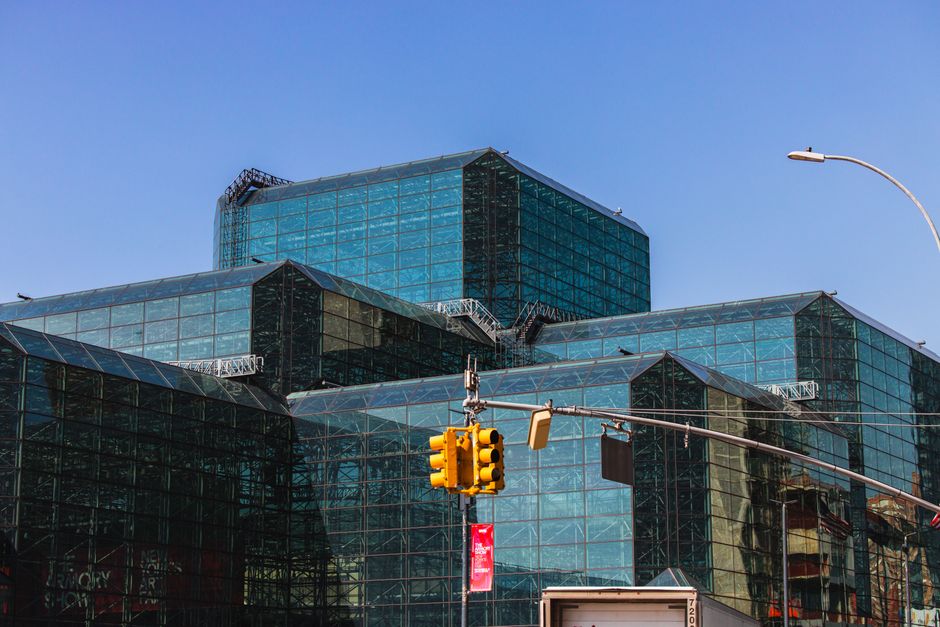
Timing matters strategically. The Armory Show in September and Frieze New York in May attract collectors globally and signal when major galleries refresh their exhibitions. Summer can feel slow as galleries close for vacations, though it's often when emerging spaces gain visibility.
A practical note: Wednesday evenings when many galleries stay open until 8 or 9 p.m. offer a less frantic pace than weekends. Bring a notebook—gallerists are often unexpectedly generous with context if you show genuine interest. Most importantly, abandon any notion that you should see everything. Even native New Yorkers play favorites. Pick neighborhoods, wander responsively, and let unexpected discoveries define your visit. The art world's hierarchies are real, but its margins—where experimental work happens—often matter most.
This article was compiled by AI from the sources linked above and screened before publishing. See our editorial standards.