Summer 2026: The Emerging Voices Ready to Reshape New York's Festival Scene
As established cultural institutions compete for audiences, a new generation of curators and artists is quietly building the city's next wave of unmissable events.
As established cultural institutions compete for audiences, a new generation of curators and artists is quietly building the city's next wave of unmissable events.
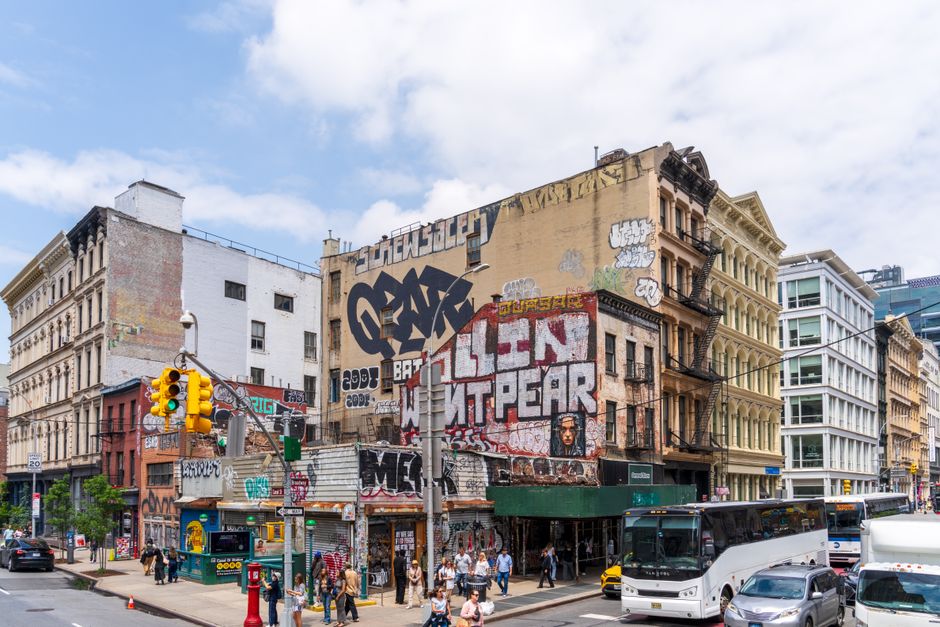
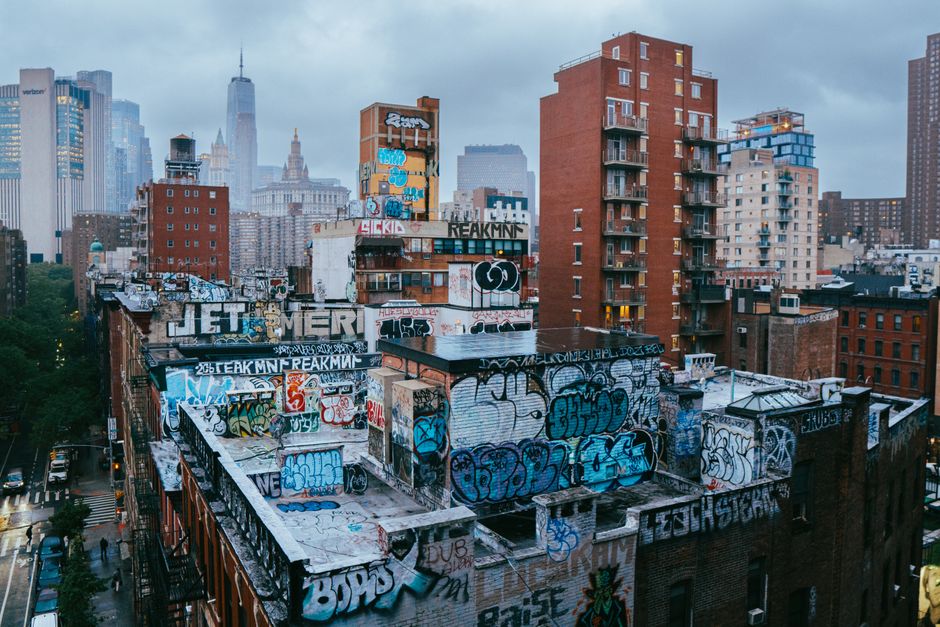
Walk into virtually any New York gallery or performance space this summer and you'll notice a shift. The established festivals that once dominated the cultural calendar—Lincoln Center, Tribeca, the usual suspects—are sharing real estate with scrappier, younger-curated events that feel distinctly of this moment. These emerging voices are rewriting how New York experiences art, music, and community gathering.
Consider what's happening in Sunset Park and Red Hook, traditionally overlooked corners of Brooklyn that have become incubators for experimental programming. The Waterfront Collective, a nonprofit founded just three years ago, is hosting "Emergence," a six-week festival running through August featuring over 40 artists, many mounting their first major public projects. Admission is pay-what-you-wish, with average contributions around $12, reflecting a deliberate accessibility ethos. "We asked ourselves why so much summer programming requires $45 tickets," says the organization's leadership in materials distributed across the neighborhood.
Similar energy pulses through Manhattan's arts spaces. In the Lower East Side—still the city's laboratory for cultural experimentation despite decades of gentrification—new curators like those behind the emerging platform "Meridian" are programming deliberately cross-disciplinary festivals that blur boundaries between visual art, performance, and public discourse. Their July festival, running across multiple venues on Ludlow and Essex Streets, centers underrepresented voices in the city's creative economy.
The data supports what observers are seeing: according to a recent survey by the NYC Department of Cultural Affairs, 62% of new festivals launched between 2024 and 2026 were initiated by curators under 40, many of them artists themselves. These aren't vanity projects or resume-builders. They're filling real gaps—programming that centers diaspora communities, queer and trans artists, and experimental work that larger institutions consider risky.
What distinguishes these festivals from established counterparts isn't novelty for its own sake. It's responsiveness. When geopolitical crises dominate headlines and neighborhoods face real displacement pressures, these emerging platforms create urgency around cultural citizenship. Events proliferate with free community components, artist talks addressing economic precarity, and intentional programming that reflects the city's actual demographics rather than its aspirational ones.
For New Yorkers tired of the same institutional offerings, the summer of 2026 presents an unexpected gift: access to the next generation of tastemakers and vision-setters, many still finding their footing but already reshaping what the city's cultural conversation sounds like. The question isn't whether these voices will last—it's whether established institutions will listen.
This article was compiled by AI from the sources linked above and screened before publishing. See our editorial standards.
How does this story make you feel?
Spread the word
About this article
Published by The Daily New York
Daily brief
Free, in your inbox before 7am. Weekdays.
More in culture