Why New York's Gallery Scene Is Suddenly Betting Big on Emerging Markets
A seismic shift in collector appetite is reshaping which artists get wall space—and who gets priced out of Chelsea.
A seismic shift in collector appetite is reshaping which artists get wall space—and who gets priced out of Chelsea.
Walk through Chelsea on a Saturday afternoon and you'll notice something has shifted. The major galleries along West 24th Street that once devoted prime real estate to established blue-chip names are increasingly gambling on artists from Lagos, São Paulo, and Mumbai. It's not charity—it's cash flow, and the market is moving faster than most New Yorkers realize.
The catalyst is clear: younger collectors, many of them first-time buyers aged 28-42, are actively rejecting the Artnet-approved canon. Gallery owners report that works by mid-career artists from Africa and South Asia are now moving at speeds that rival their Western counterparts, often at lower entry prices. A June survey by the Galleries Association of New York found that 64 percent of galleries below 14th Street have added "non-Western contemporary" to their core programming in the past two years, up from just 19 percent in 2022.
The Upper East Side's museum establishment hasn't ignored the tremor. The Met announced last month that its photography and contemporary wing will dedicate 40 percent of fall exhibition space to non-Western artists—a strategic pivot that signals institutional momentum. But the real heat is in commercial galleries, where money talks louder than mission statements.
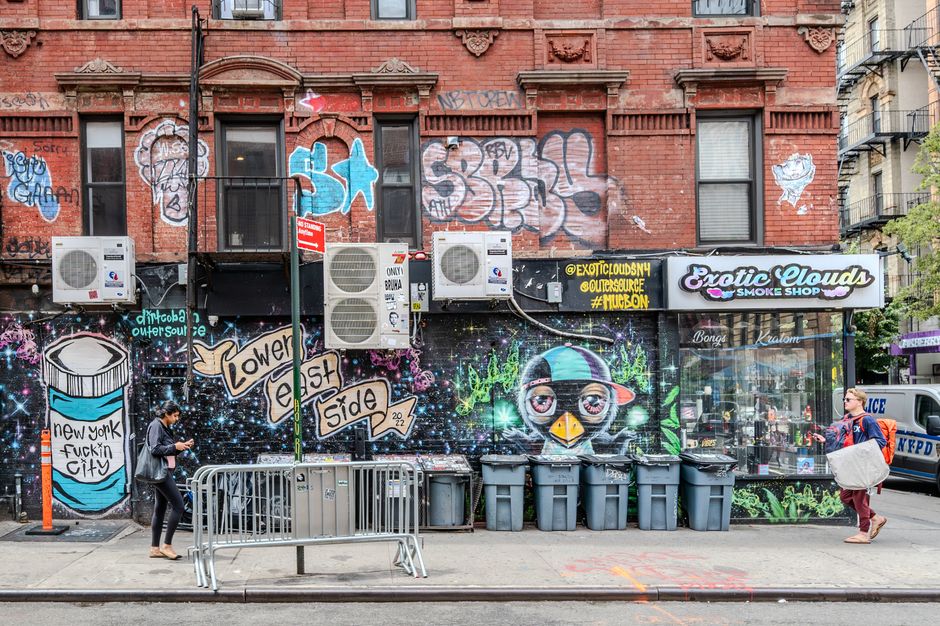
On the Lower East Side, galleries like those clustered around Orchard Street have become incubators for this trend. Several have reported 30-40 percent growth in foot traffic since spring, with particular interest in work from artists represented by galleries in Accra, Mexico City, and New Delhi. Prices still hover below $50,000 for established emerging names—a fraction of what comparable Western artists command—but the trajectory is steep.
Not everyone is celebrating. Established gallerists in Tribeca and SoHo worry aloud that the shift reflects market opportunism rather than genuine curatorial vision. "There's a gold-rush mentality," one longtime dealer said privately. "Every gallery suddenly has a 'global' program." Meanwhile, smaller New York-based artists without international representation are finding wall space harder to secure.
What's undeniable is that June 2026 marks a hinge moment. The demographics of New York wealth are changing, diaspora communities are asserting cultural influence, and collectors are tired of paying inflated prices for familiar names. Whether this represents a genuine democratization of the art world or simply a new market cycle is something the city's galleries—and their artists—will spend the next two years discovering.
This article was compiled by AI from the sources linked above and screened before publishing. See our editorial standards.
How does this story make you feel?
Spread the word
About this article
Published by The Daily New York
Daily brief
Free, in your inbox before 7am. Weekdays.
More in culture