When the Metropolitan Museum of Art opened its doors on Fifth Avenue in 1880, entry was restricted largely to the wealthy and well-connected. The building itself—a Beaux-Arts fortress—announced that art belonged to the privileged. More than 140 years later, the Met's admission is "pay what you wish" for New York residents, a symbolic inversion of the institution's origins that reflects a seismic shift in how the city's galleries and museums have evolved.
The transformation didn't happen overnight. Through much of the 20th century, New York's art establishment remained geographically and socially concentrated. Fifth Avenue housed the titans—the Met, the Museum of Modern Art (which relocated from 53rd Street to Midtown West in 2019), the Guggenheim's iconic spiral. Meanwhile, serious collectors and institutions looked down on anything east of Park Avenue or below 59th Street as provincial.
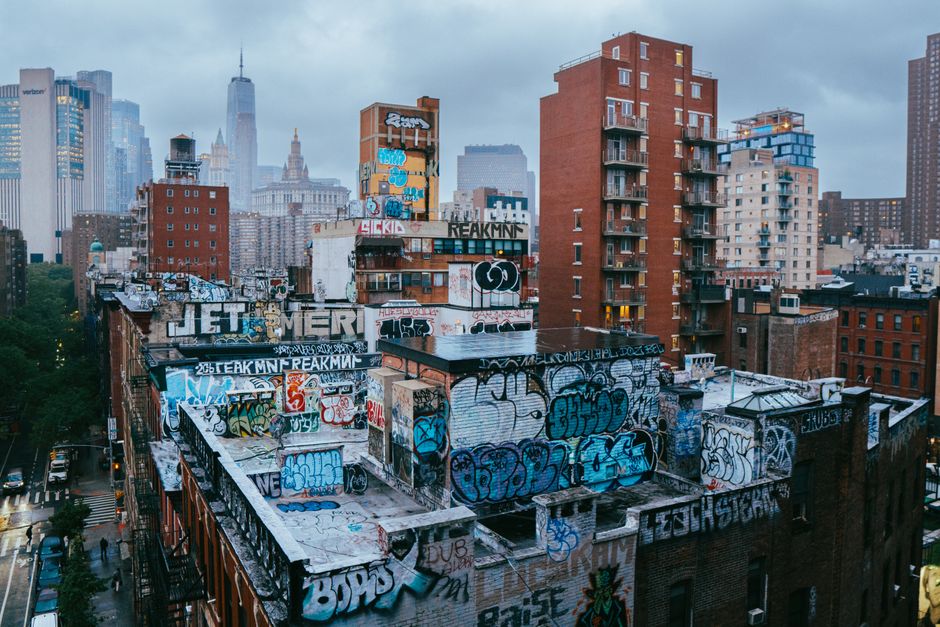
The 1960s and 70s cracked this monopoly open. Artists priced out of SoHo moved downtown to the Lower East Side, to Williamsburg, to neighborhoods that landlords had written off. Gallery owners followed. By the 1980s, the East Village was unrecognizable—storefronts became white-box galleries overnight. Artists like Jean-Michel Basquiat operated in the margins, their work eventually commanding the very institutions that had ignored them.
Today's landscape would baffle those Gilded Age tastemakers. Chelsea, which transformed from an industrial wasteland to an art district in the 1990s, now hosts over 300 galleries between 10th and 11th Avenues. But Chelsea itself feels almost establishment now, its mega-galleries (Hauser & Wirth, Gagosian, David Castillo) increasingly competing with the energy of Tribeca, the Lower East Side, and emerging neighborhoods like Sunset Park in Brooklyn.
The economics have shifted too. Commercial gallery attendance in Manhattan peaked around 2015 at roughly 28 million annual visitors across major institutions, but that figure masks a fragmentation. Young collectors now discover artists through Instagram and TikTok before ever stepping into a Chelsea storefront. The average gallery opening in 2026 costs far less to mount than it did in 1996—digital catalogs, virtual exhibitions, and social media have democratized visibility.
Museums have adapted by diversifying their boards and acquisition strategies. The Whitney Museum's 2024-2026 acquisition focus, for instance, has emphasized work by artists from historically underrepresented communities. MoMA's permanent collection galleries now feature artists from across the globe, not just Europe and America.
What remains constant is New York's gravitational pull. The city still sets the terms. But the distance from outsider to insider has collapsed. That, perhaps, is the most significant evolution of all.
This article was compiled by AI from the sources linked above and screened before publishing. See our editorial standards.