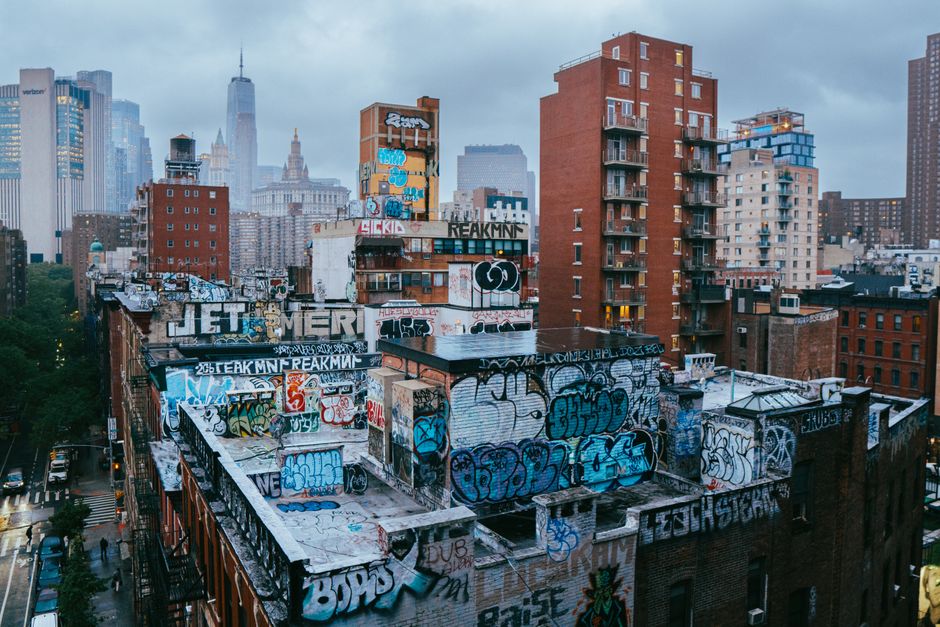
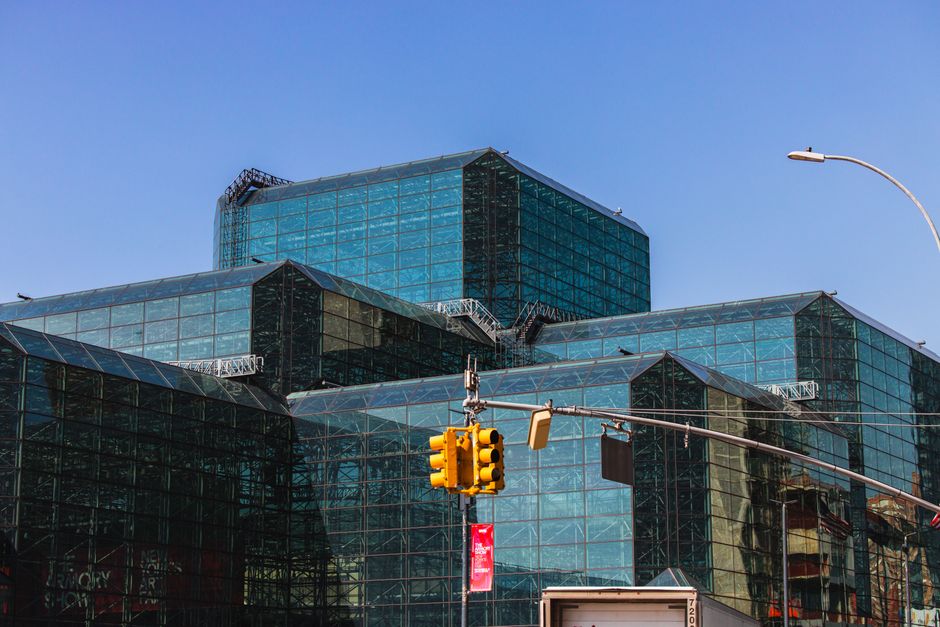
Walk down the Garment District these days and you'll notice something the guidebooks don't mention: the exodus. By mid-2026, nearly 40 percent of independent design studios that occupied West 35th and 36th Streets five years ago have relocated—many heading east toward Long Island City, others south to Red Hook. It's a shift reshaping how New York's $11 billion fashion industry operates, and it's become the unexpected conversation at industry panels, sample sales, and rooftop gatherings across the five boroughs.
The culprit? Economics. Mid-sized design studios that once paid $35-45 per square foot in Midtown now face rents climbing toward $65, making the math impossible for emerging designers with limited venture capital. Meanwhile, Long Island City's industrial warehouses offer triple the space at comparable prices, and Red Hook's waterfront has become a magnet for experiential fashion—showrooms doubling as artist residencies, sample sales that feel more like gallery openings.
"The Garment District built this city's fashion credibility," says the Fashion Institute of Technology, which has watched enrollment spike in sustainable and digital design programs as students anticipate a more distributed industry. But what's emerging isn't decline—it's transformation. CFDA members increasingly operate between multiple neighborhoods, maintaining showrooms in Tribeca while production happens in Sunset Park, where rents remain accessible and a generation of immigrant garment workers still operate.
The cultural ripple is everywhere. Williamsburg, once synonymous with Brooklyn cool, is becoming a design infrastructure hub, with shared pattern-making studios and tech-forward textile labs opening monthly. Meanwhile, Fashion Week itself faces pressure to decentralize beyond its traditional Lincoln Center footprint, with emerging designers increasingly hosting presentations in Dumbo warehouses and Astoria gallery spaces.
What locals are really talking about, though, is identity. For a century, "New York fashion" meant the concentrated energy of the Garment District—the proximity, the chance encounters, the ecosystem that made the city synonymous with American design. As that geography fragments, there's genuine anxiety about whether the city can maintain its gravitational pull. Young designers still move here for opportunity, but increasingly that opportunity looks different: more dispersed, more neighborhood-specific, less about one legendary block.
The fashion industry's decentralization mirrors broader shifts in how New York operates post-pandemic. It's messier, less predictable, and fundamentally less about geography than about access to networks and capital. Whether that makes the city a more vibrant fashion ecosystem or a less coherent one depends entirely on who you ask.
This article was compiled by AI from the sources linked above and screened before publishing. See our editorial standards.