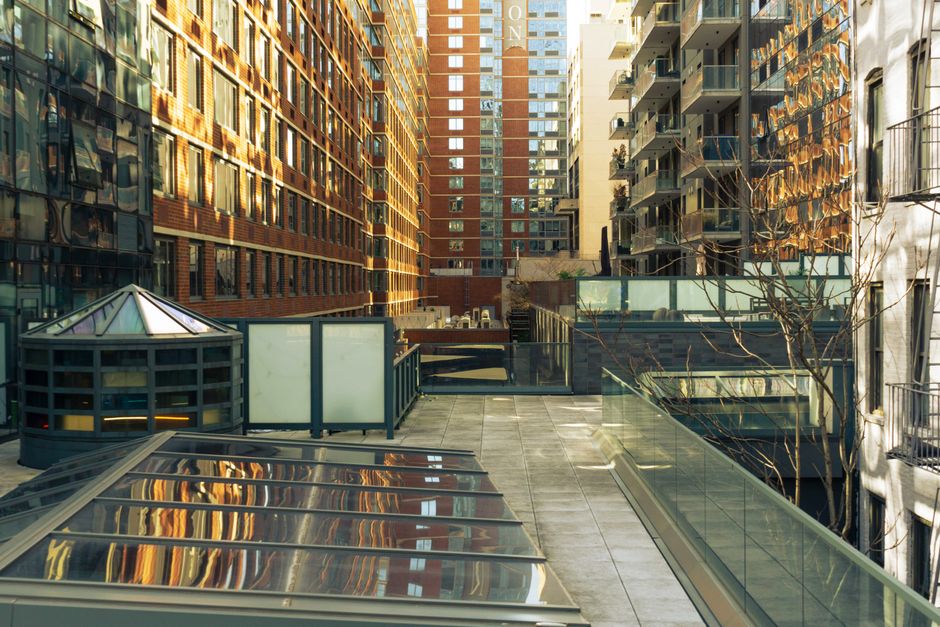
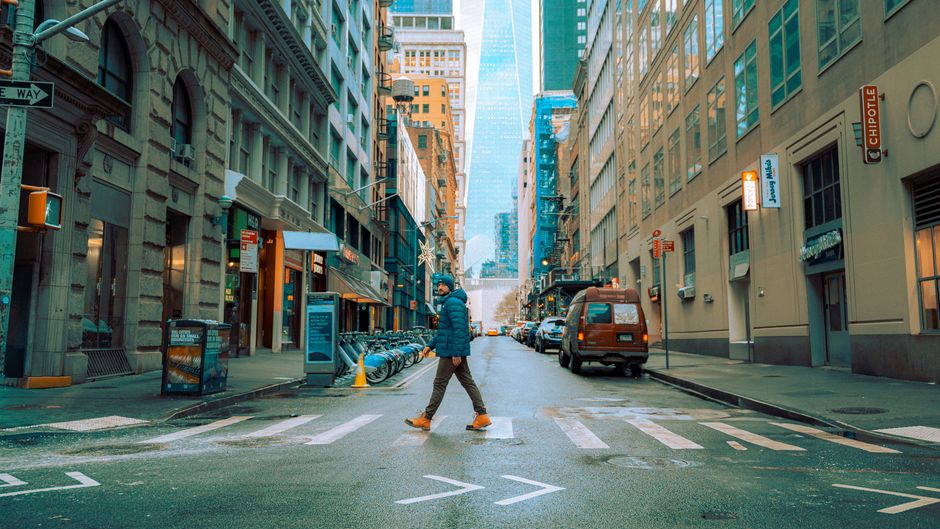
Walk along the East River Waterfront in Williamsburg on any Saturday morning, and you'll notice something markedly different from five years ago: raised garden beds now occupy corners of parks that once served purely as scenic overlooks. The transformation reflects a broader shift happening across Brooklyn's waterfront neighborhoods, where outdoor spaces are being reimagined as functional ecosystems rather than just recreational amenities.
This evolution is particularly pronounced in neighborhoods like Red Hook and Greenpoint, where younger residents—many priced out of Manhattan entirely—are reshaping how communities use green space. The Brooklyn Grange, which operates rooftop farms across the borough, has expanded operations by 40 percent since 2022, according to the organization's sustainability reports. Meanwhile, smaller hyperlocal initiatives have proliferated: informal community gardens now dot the blocks between Van Brunt Street and the waterfront, many managed entirely by residents under 35.
"What's changed is the intentionality," explains the landscape architecture community across Brooklyn's ongoing revitalization projects. Park usage data from the Parks Department shows that waterfront green spaces in Brooklyn now see year-round cultivation activity, not just summer picnicking. Participatory budgeting initiatives have channeled increasing resources toward infrastructure supporting urban agriculture—drip irrigation systems, soil quality testing, and pollinator-friendly plantings.
The economic angle is significant too. A plot in an established community garden on the Williamsburg waterfront carries a waiting list of 200 people, with annual plot fees reaching $150—up from $75 a decade ago. This scarcity is driving entrepreneurship: several small collectives now offer "garden-as-a-service," managing plots for remote residents willing to pay $400 to $800 annually for maintained beds.
Environmental pressures are accelerating this shift. Climate projections for the tristate area predict increased flooding and heat events, making residents acutely aware that traditional park infrastructure isn't enough. Native plantings are replacing ornamental species across Brooklyn's waterfront parks. Rain gardens designed to manage stormwater have become standard features in new renovations from DUMBO to Sunset Park.
The tension, however, is real. Gentrification pressures mean that neighborhoods gaining the most desirable green spaces are simultaneously losing the residents who pioneered community gardening. Long-term residents in Red Hook worry that beautification efforts precede displacement. Still, the underlying shift—from parks as passive consumption to parks as active, productive landscapes—appears irreversible. Brooklyn's outdoor living culture is maturing into something more complex, more engaged, and more necessary.
This article was compiled by AI from the sources linked above and screened before publishing. See our editorial standards.