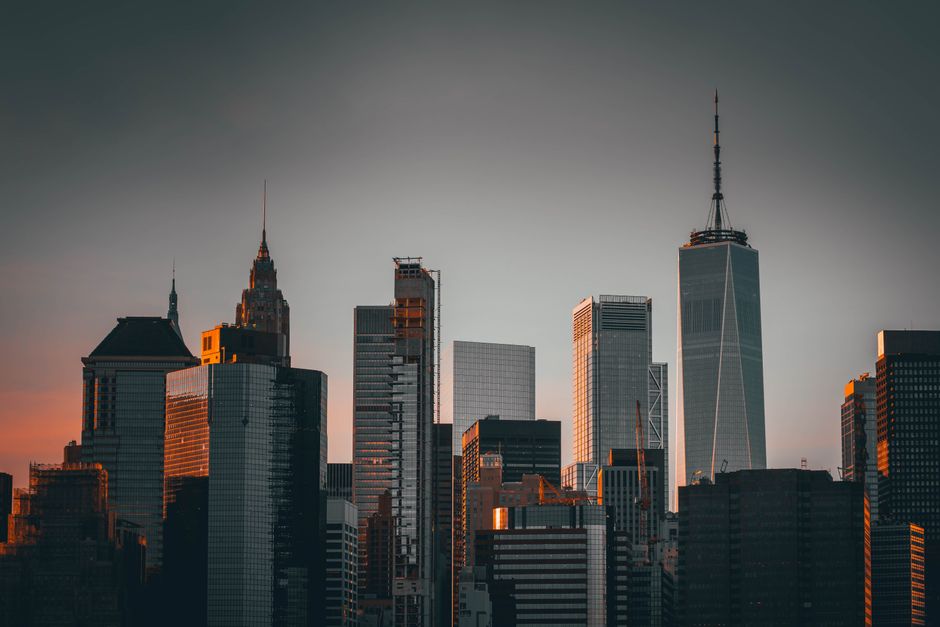
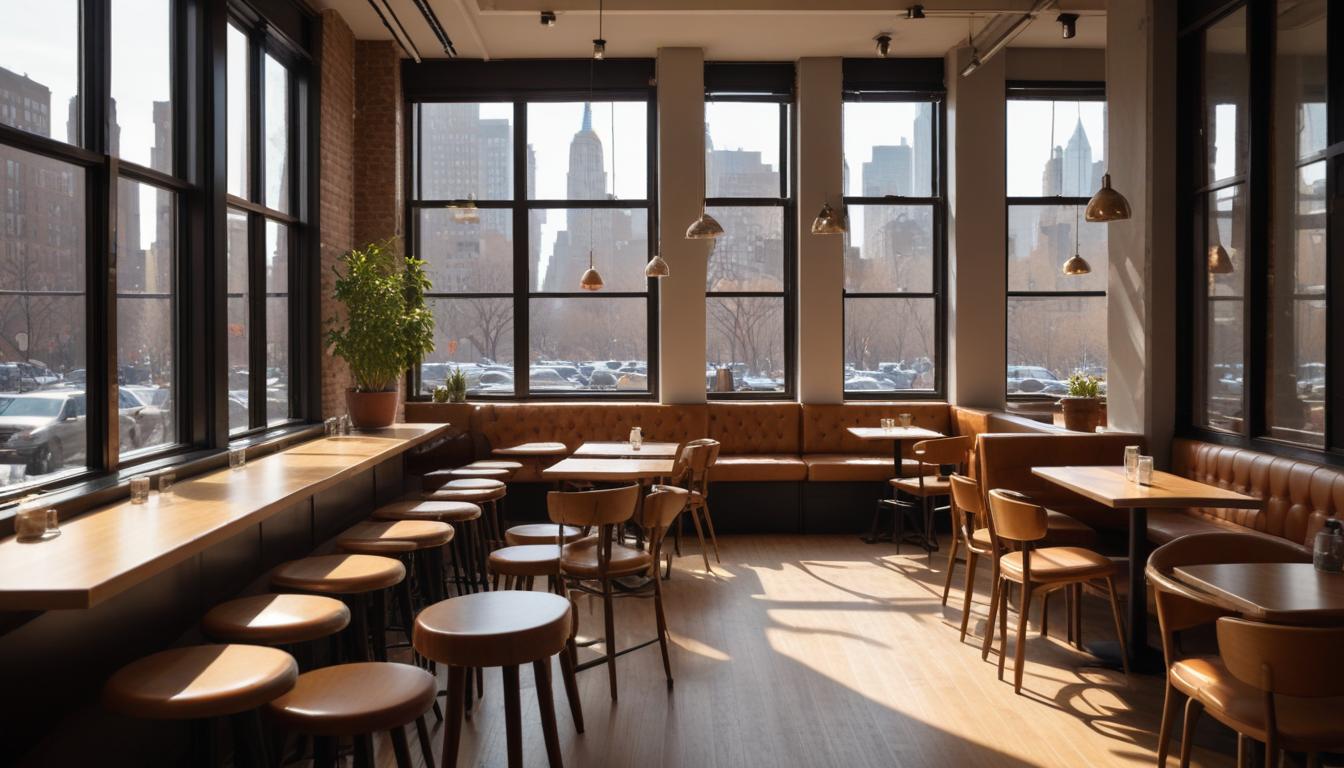
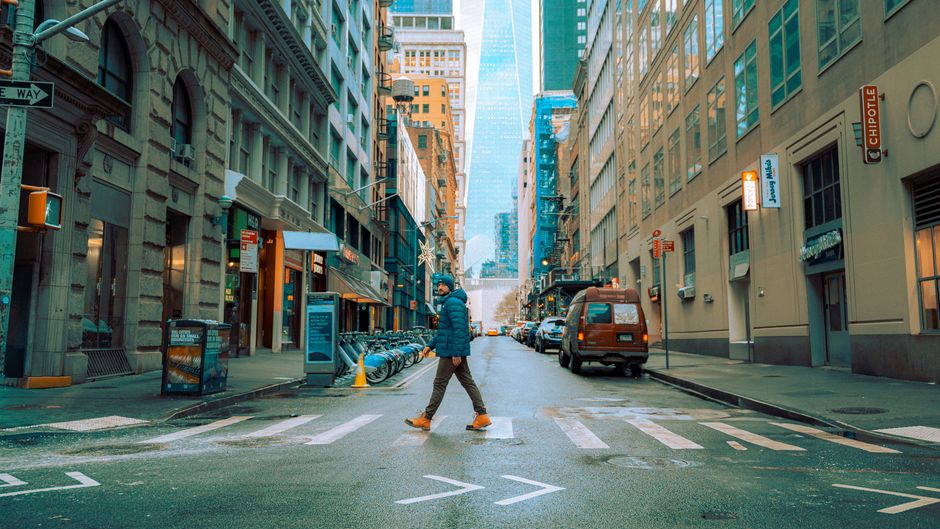
Walk into any dive bar on the Lower East Side on a Tuesday night, and you'll find the same faces that have been there for years—the regulars nursing bourbon, the bartender who knows their order before they sit down, the live music enthusiast who hasn't missed a Thursday show since 2019. This is the backbone of New York's nightlife scene: not the flashy rooftop lounges or exclusive clubs, but the people who've built genuine community in spaces designed for strangers to become friends.
Over the past three years, as Manhattan's nightlife recovered from pandemic losses, a particular demographic has reshaped the social landscape. According to data from the New York Nightlife Association, approximately 340 bars and lounges have opened across the five boroughs since 2024, many owned and operated by first-time entrepreneurs aged 28-42. These aren't corporate ventures—they're neighborhood anchors run by former service industry workers who understand exactly what their communities need.
Consider the proliferation of character-driven spaces: speakeasies in the Financial District hidden behind unmarked doors, cocktail bars in Astoria helmed by immigrant mixologists who've become local celebrities, and LGBTQ+-friendly venues in Hell's Kitchen that function as crucial social infrastructure for many residents. The Brooklyn Nightlife Coalition reported that 67% of bar staff surveyed in 2025 had worked in the industry for more than five years, suggesting remarkable stability and expertise in a traditionally transient field.
What's striking is how these establishments have become something more than drinking destinations. They're spaces where writers finish manuscripts at corner tables, where singles networks organize weekly meet-ups, where musicians find their first stages, and where isolated New Yorkers find their people. The average drink price across Manhattan's neighborhood bars sits around $14-$18, making them more accessible than the $28 cocktails in Midtown tourist traps.
The real story isn't found in capacity numbers or revenue reports. It's in the 54-year-old former construction worker who tends bar at a Williamsburg spot and remembers every customer's name and their family situation. It's the woman from the Dominican Republic who opened her third venue this year, mentoring young staff members navigating their own immigrant experiences. It's the retired teacher pouring beer at a neighborhood joint in Washington Heights, creating a gathering place for her entire block.
New York's nightlife survives—and thrives—because of these individuals. They're the reason people keep coming back, the reason this city still feels like home.
This article was compiled by AI from the sources linked above and screened before publishing. See our editorial standards.