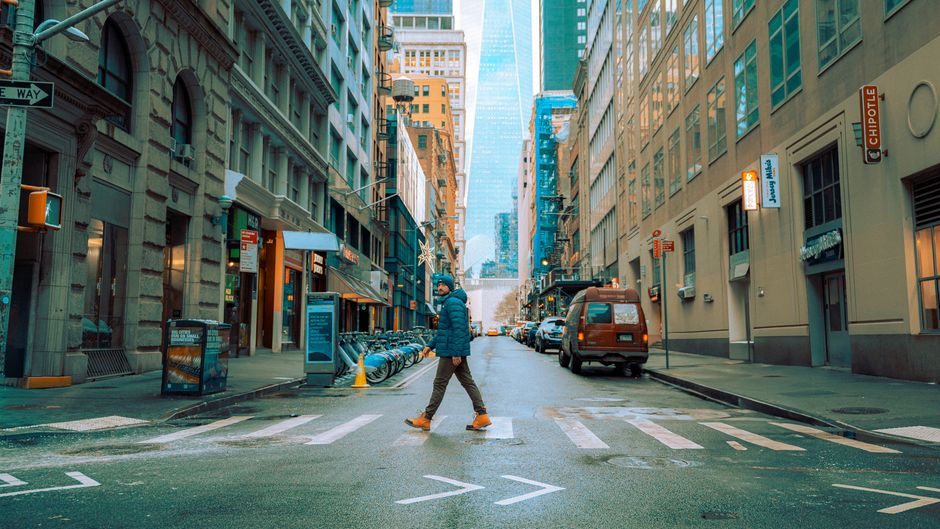
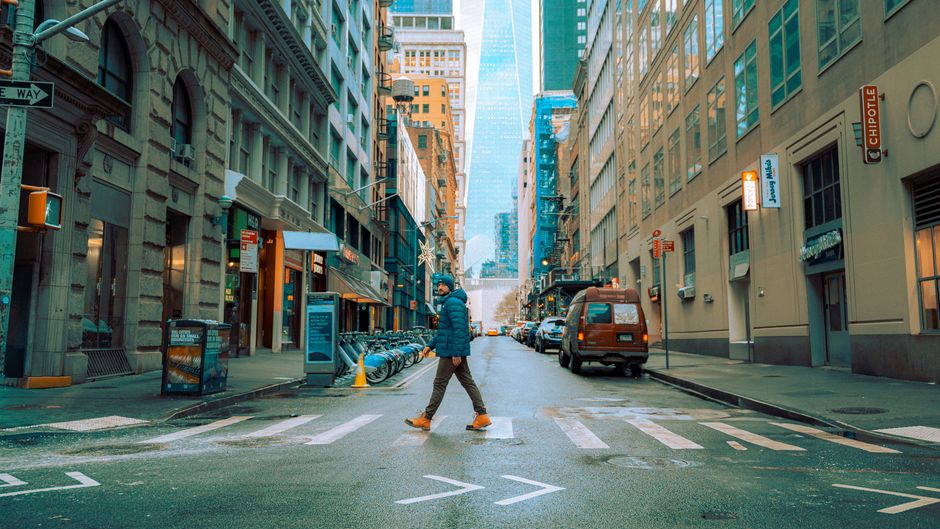
Walk along Second Avenue in the East Village on any weekday morning, and you'll witness a transportation revolution unfolding in real time. Where delivery cyclists once dominated, now a chaotic mix of e-scooters, e-bikes, and conventional commuters jostle for space on increasingly crowded sidewalks and narrow bike lanes. The change has been seismic—and far from seamless.
"We've seen a complete transformation in the last eighteen months," says transportation planner data from NYC's Department of Transportation, which logged a 47% increase in e-scooter trips across Manhattan between late 2024 and mid-2026. In neighborhoods like the East Village, St. Mark's Place, and along the Avenue B corridor, that surge has created unexpected friction. Local business owners report that scooters abandoned carelessly on storefronts have become a genuine nuisance, while residents question whether the infrastructure—primarily painted lanes that occupy precious street real estate—actually makes commuting safer.
The economics tell an interesting story too. A monthly unlimited MetroCard costs $136, unchanged for years. But a used e-bike in New York runs between $400 and $1,200, while monthly e-scooter passes (around $30 for unlimited rides) have made last-mile commuting dramatically cheaper. For young professionals in the East Village commuting to jobs in Midtown or across the East River to Long Island City, the calculus has shifted. Why squeeze onto an L train that's perpetually delayed when a scooter gets you across town in fifteen minutes?
Yet theft remains a persistent shadow over this transportation shift. E-bike thefts have climbed 34% citywide since 2024, with the East Village and surrounding neighborhoods bearing the brunt. Residents report locking bikes to street furniture only to return and find frames cut through. The lucrative black market for battery packs—worth $200 to $400 themselves—has turned e-bikes into attractive targets.
The MTA and local community boards are scrambling to adapt. Dedicated scooter corrals now line Tompkins Square Park's perimeter, while new protected bike lanes on Avenue C represent an attempt to separate micromobility from pedestrian traffic. Still, many East Village longtime residents feel their neighborhood is changing faster than anyone anticipated. Delivery infrastructure that once seemed permanent—the bike messengers, the pizza place with a dozen bikes out front—now coexists uneasily with sleek e-scooter fleets.
By 2026, the East Village has become a testing ground for how New York City actually moves. It's messier, more fragmented, and far less coordinated than city planners imagined when they first championed the micromobility revolution.
This article was compiled by AI from the sources linked above and screened before publishing. See our editorial standards.