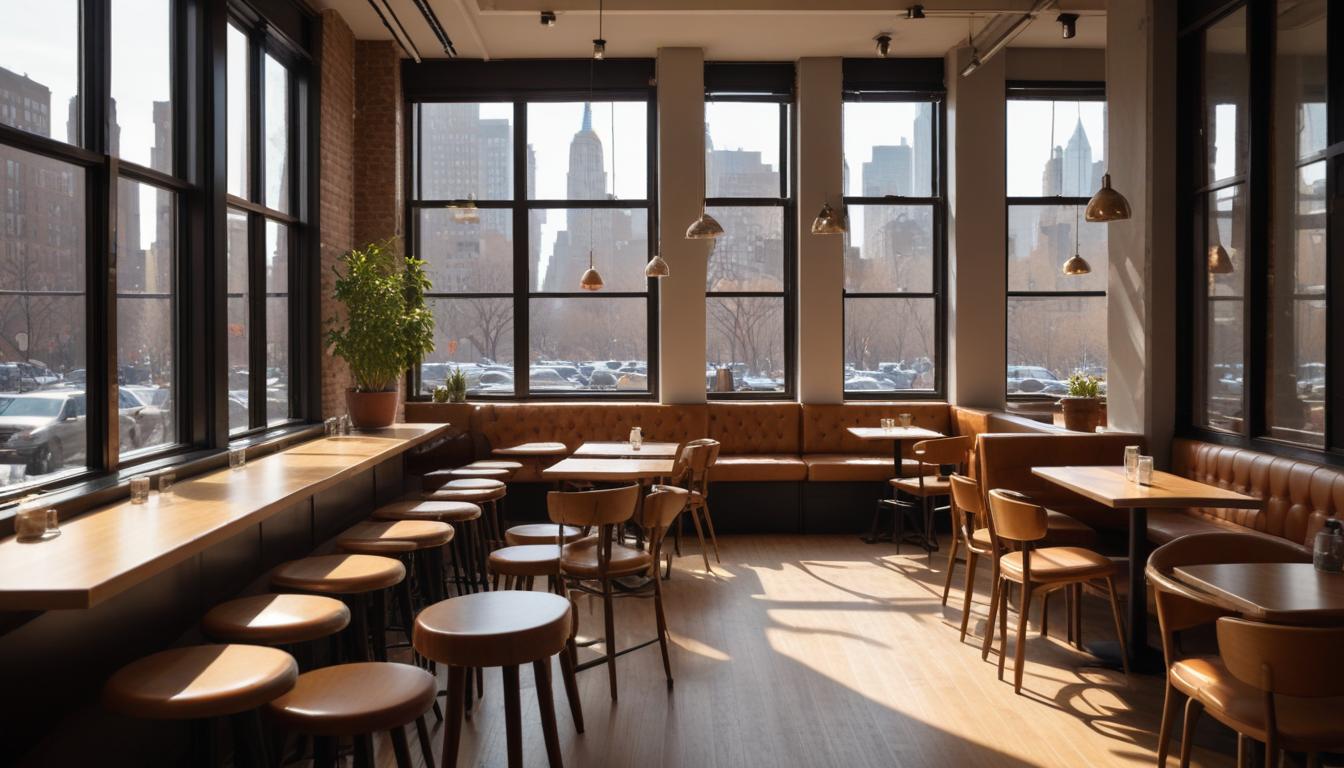
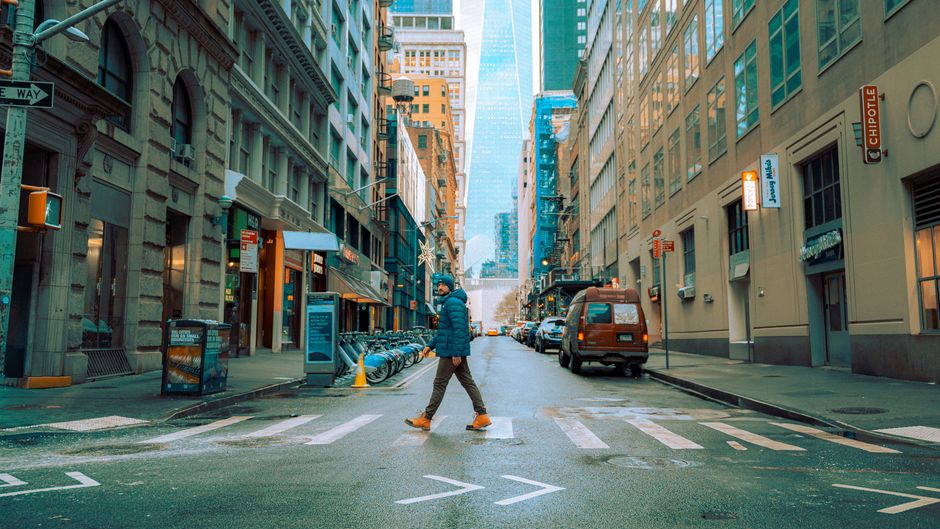
Walk down Steinway Street on a Tuesday evening and you'll witness Astoria's identity crisis in real time. A gleaming craft brewery sits two storefronts from a 40-year-old Greek bakery. Young couples queue outside a farm-to-table restaurant while elderly men play backgammon outside a traditional taverna across the street. This is the texture of modern Astoria: a neighborhood caught beautifully between its past and its aggressively arriving future.
For decades, Astoria was defined by its Greek immigrant community—still the largest in the city—and working-class families who built lives around the waterfront factories and industrial jobs that have since vanished. Today, median rent in the neighborhood hovers around $2,400 for a one-bedroom, according to recent market data, a significant jump from five years ago. The demographic shift is undeniable: younger residents now slightly outnumber those over 55 for the first time.
Yet the neighborhood hasn't erased itself. The Hellenic Cultural Center on Steinway remains a community hub. St. Demetrios Cathedral still draws crowds. Long Island City's waterfront transformation has made Astoria the more affordable gateway, attracting artists, remote workers, and families who can't afford Williamsburg or Park Slope. This collision of old and new creates a peculiar energy.
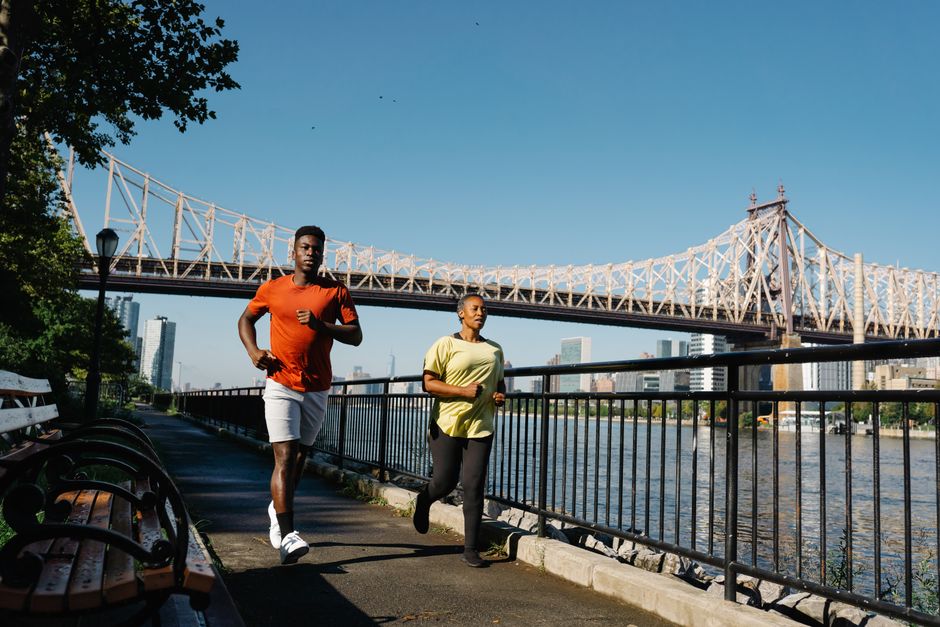
Visit Astoria Park on a summer weekend and you'll see multigenerational Greek families next to young professionals with rescue dogs. The park itself—123 acres overlooking the East River and Manhattan skyline—has become the neighborhood's great equalizer, where everyone claims a patch of grass.
What makes Astoria's community vibe distinct isn't harmony, exactly. It's negotiation. The neighborhood has become a testing ground for how newcomers and longtime residents can coexist. Local organizations like the Astoria Community Board actively mediate conversations about development, gentrification, and cultural preservation. Business improvement districts work to attract investment while preserving character.
The restaurants tell the story best. Alongside Greek standards like Taverna Kyclades, new ventures celebrate Astoria's emerging diversity: Filipino, Ecuadorian, and Indian cuisines have planted roots here, served to the same customers who grew up on saganaki and souvlaki. Nearby, craft distilleries and wine bars cater to Manhattan's overflow, while the old guard keeps their traditions alive in dimly lit spots where ouzo flows and Greek music plays.
Astoria isn't gentrified yet, but it's not immune either. What distinguishes it now is the visible effort—imperfect, sometimes frustrating—to acknowledge both the neighborhood's working-class roots and its inevitable transformation. That tension, uncomfortable as it may be, is precisely what gives Astoria its character in 2026.
This article was compiled by AI from the sources linked above and screened before publishing. See our editorial standards.