Sunset Park's Quiet Reinvention: Inside Brooklyn's Most Misunderstood Neighbourhood
Once written off as industrial, this waterfront community is revealing itself as a place where immigrant roots run deep and neighbourhood bonds grow deeper still.
Once written off as industrial, this waterfront community is revealing itself as a place where immigrant roots run deep and neighbourhood bonds grow deeper still.
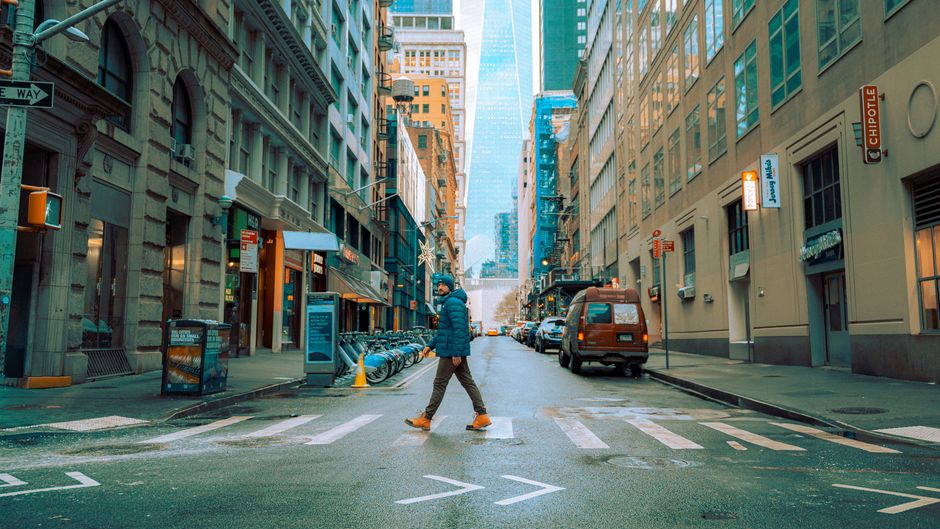
Walk along Third Avenue in Sunset Park on a Saturday morning and you'll encounter something increasingly rare in New York: a neighbourhood that doesn't feel like it's performing for outsiders. The bakeries selling fresh pan de yuca aren't Instagram destinations. The Chinese herbalists tucked beside Dominican bodegas aren't trending on TikTok. This is a place where community cohesion still matters more than gentrification theatre.
The neighbourhood's character remains stubbornly rooted in its immigrant foundations. Approximately 60% of Sunset Park's 130,000 residents are foreign-born, with the largest populations hailing from China, the Dominican Republic, and Puerto Rico. Walk from Fifth Avenue toward the waterfront and you move through distinct cultural zones—each with its own rhythm, cuisine, and social infrastructure that has nothing to do with Manhattan's lifestyle economy.
What makes Sunset Park's community vibe distinctive isn't novelty; it's persistence. The Brooklyn Chinese-American Association on 37th Street has operated for over 60 years, serving as a social anchor for recent arrivals and established families alike. On any weekday afternoon, you'll find seniors playing mahjong in back rooms while younger members navigate paperwork for housing assistance or job placement. Similar scenes play out at Casa Central, the Dominican cultural organization on Ninth Avenue, where community organizing meets intergenerational storytelling.
The neighbourhood's relationship with its industrial waterfront—once purely functional—is evolving on its own terms. The Brooklyn Waterfront Greenway, completed in sections since 2013, has brought locals together for evening strolls and weekend cycling, without the upscale branding of other Brooklyn waterfront developments. Real estate prices have crept upward (median rents now hover around $2,400 for a one-bedroom), but displacement hasn't erased the neighbourhood's character yet.
Street fairs and community gardens reinforce bonds that formal institutions sometimes struggle to maintain. The Sunset Park Community Garden network operates more than a dozen plots where vegetables grow alongside relationships between newcomers and long-term residents. These spaces serve functions far beyond horticulture—they're where languages mix, where knowledge transfers, where belonging gets reinforced.
Sunset Park remains a neighbourhood defined by use rather than image. Its residents aren't here to curate an aesthetic. They're here because rent is manageable, because community institutions actually serve community needs, and because the streets still feel like they belong to the people living on them. In a city increasingly carved up by lifestyle marketing, that quiet authenticity has become genuinely rare.
This article was compiled by AI from the sources linked above and screened before publishing. See our editorial standards.
How does this story make you feel?
Spread the word
About this article
Published by The Daily New York
Daily brief
Free, in your inbox before 7am. Weekdays.
More in lifestyle