How NYC's Fast-Track Zoning Rules Are Reshaping Where—and What—Gets Built
New planning approvals for mixed-use projects in outer boroughs are accelerating construction timelines and reshaping the affordable housing pipeline.
New planning approvals for mixed-use projects in outer boroughs are accelerating construction timelines and reshaping the affordable housing pipeline.
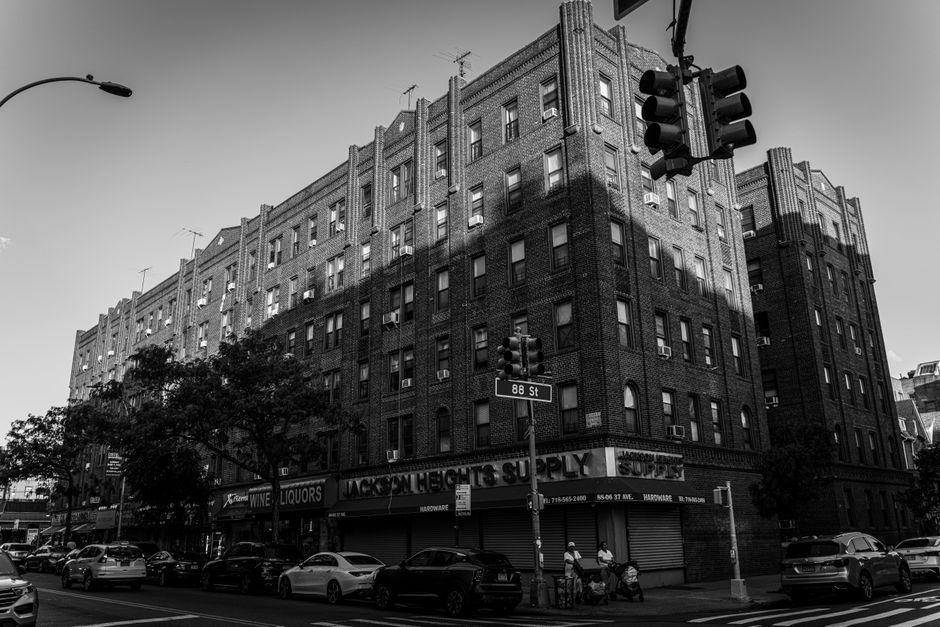
New York City's planning department has quietly redrawn the development playbook over the past eighteen months, and the results are already visible on blocks across Brooklyn and Queens. The streamlined approval process for mixed-use projects—introduced as part of the city's broader housing expansion strategy—has cut municipal review periods nearly in half, from eighteen months to roughly nine. The ripple effects are now reshaping neighborhood character and pricing across the outer boroughs.
Under the revised framework, developments combining residential and commercial space under 250,000 square feet can bypass the traditional community board review process, moving directly to the Department of City Planning for expedited approval. Since January 2025, this pathway has greenlit forty-seven projects citywide. In Astoria, Queens, three residential projects on Steinway Street and Broadway alone have broken ground following approval under the new rules. In Sunset Park, Brooklyn, a mixed-use complex at the corner of 43rd Street and Fifth Avenue—combining 140 units of rental housing with ground-floor retail—secured its permit in just six months, a pace that would have been unthinkable two years ago.
The policy shift comes as median housing prices have climbed to $800,000 citywide, with Manhattan co-ops and condos now exceeding $1.3 million. The city has explicitly leveraged faster approvals as a supply-side solution. Early data suggests some traction: approximately 2,100 units have entered the pipeline under this expedited process, roughly 30 percent of them designated affordable under city requirements.
Yet the acceleration has sparked concern among community advocates and preservationists. Without mandatory community board input, some developments have proceeded with minimal public visibility. The Williamsburg waterfront rezoning, approved via this process in late 2025, faced criticism for inadequate parking provisions and insufficient open-space buffers—issues that traditional review might have surfaced earlier. Local Council Member representatives have called for modifications that preserve efficiency while reinstating limited community consultation windows.
Real estate analysts note the policy has created a competitive advantage for larger developers with capital to move quickly. Smaller builders report difficulty competing on timelines, even with approvals in hand. In Long Island City, where zoning changes permit taller residential buildings, four major projects have been announced in the past eight months, fundamentally altering the neighborhood's skyline and pricing—studio apartments there now command $2,200 monthly rents, up 18 percent year-over-year.
The Department of City Planning has signaled intent to evaluate the policy's performance by end of 2026, with particular focus on affordability outcomes and community impact metrics. For now, the fast-track era continues reshaping New York's development landscape in real time.
This article was compiled by AI from the sources linked above and screened before publishing. See our editorial standards.
How does this story make you feel?
Spread the word
About this article
Published by The Daily New York
Daily brief
Free, in your inbox before 7am. Weekdays.
More in Property