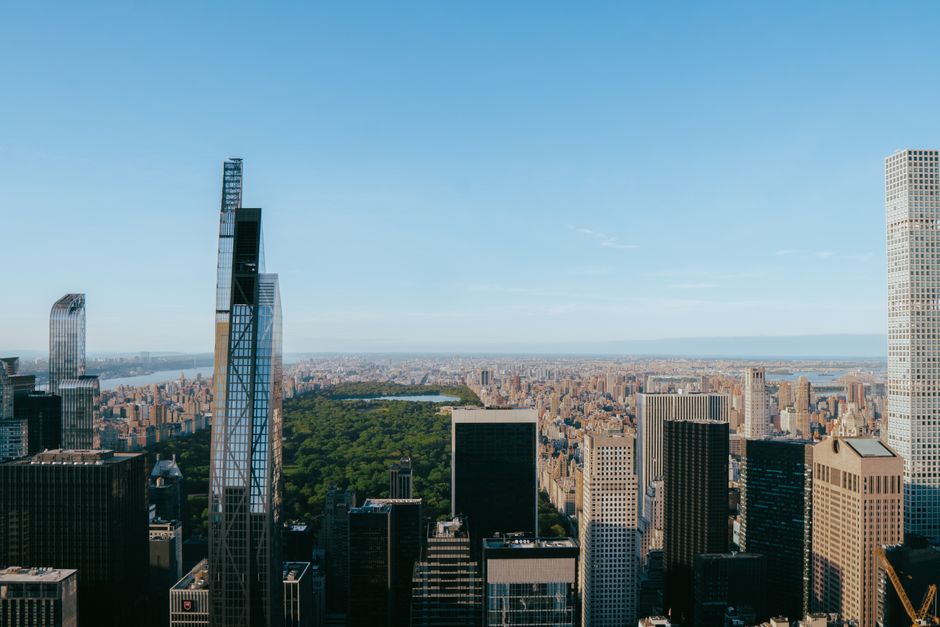
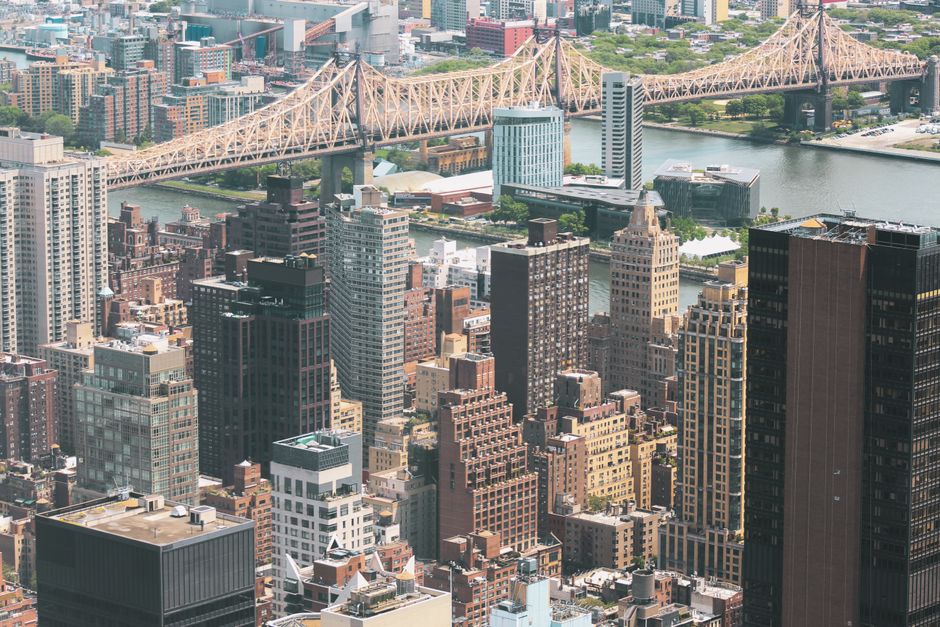
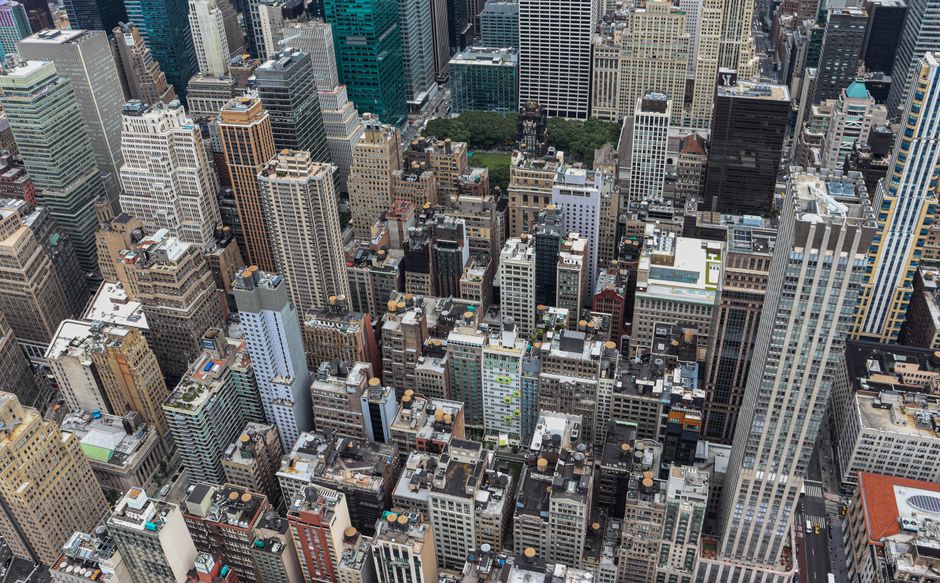
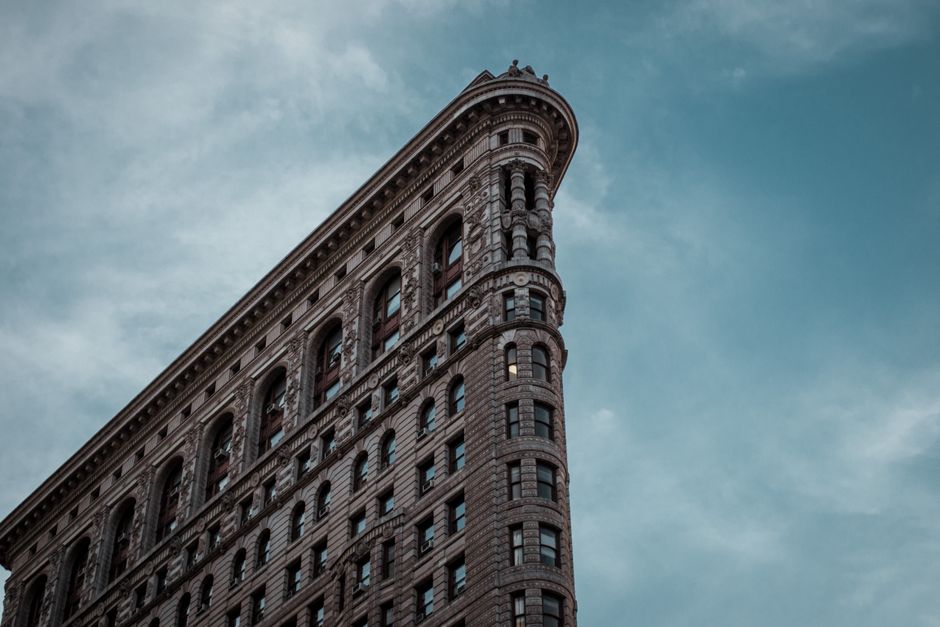
The luxury development boom reshaping Manhattan's real estate landscape isn't simply about adding new addresses to the market—it's redefining entire districts. Three major projects now under construction or in advanced planning stages reveal how concentrated investment in prestige housing creates cascading effects that reshape neighborhoods from street level to skyline.
Along the Hudson Yards corridor, where median pricing for new development hovers above $1.8 million for standard units, the influx of ultra-luxury towers has accelerated commercial transformation. The completed Fifteen Hudson Yards and its adjacent projects have drawn high-end retail, Michelin-starred dining, and financial services to what was, a decade ago, underutilized industrial waterfront. This commercial magnetism is now spurring secondary development along West 33rd Street and 34th Street, where boutique hotels and premium dining concepts are opening in previously overlooked blocks.
The Upper East Side presents a different pattern. Between Park and Madison Avenues above 80th Street, where cooperative apartments have historically commanded $2.5 million-plus price tags, new residential towers are introducing rental-only luxury units—a structural shift. These projects, including the just-announced Lenox Hill development, attract younger wealth accustomed to flexibility and amenities like rooftop wellness centers and sub-basement automotive storage. The result: changing demographics that alter everything from restaurant concepts to art gallery positioning in what has long been Manhattan's most stable neighborhood.
What's particularly significant is how these developments reshape neighborhood infrastructure before locals realize it's happening. New projects typically include public plaza requirements under zoning regulations, but they also concentrate foot traffic, trigger transit upgrades, and attract peripheral investment. The opening of the 7 Line extension and subsequent Hudson Yards development zone created a feedback loop: new residents demand better services, which attract premium service providers, which increases surrounding property values—even for buildings unchanged by development.
For the broader market, these prestige projects establish pricing benchmarks. When a new 3-bedroom at a trophy address reaches $4.2 million, comparable units in nearby pre-war buildings recalibrate upward. Brooklyn's Williamsburg and Long Island City are experiencing identical patterns, with new waterfront luxury towers pulling entire corridors into higher valuation brackets.
The practical question for neighborhood stakeholders: Is this investment sustainable, or are we witnessing another speculative cycle? Current absorption rates—with 73 percent of units in major new luxury projects pre-sold or leased before completion—suggest genuine demand. But the concentration of capital in prestige addresses also means displacement pressure on middle-market housing persists, making these developments profound neighborhood stories regardless of financial metrics.
This article was compiled by AI from the sources linked above and screened before publishing. See our editorial standards.