Social Connection as Medicine: The Loneliness Epidemic
As isolation rates climb in New York City, experts say intentional community—whether in parks, studios, or support groups—may be the most powerful wellness intervention available.
As isolation rates climb in New York City, experts say intentional community—whether in parks, studios, or support groups—may be the most powerful wellness intervention available.
In a city of 8.3 million people, loneliness has become a quiet public health crisis. Recent research from New York University's Department of Psychology found that nearly 40 percent of Manhattan residents report chronic loneliness, a figure that has nearly doubled since 2020. While New York's reputation centers on bustling streets and endless social opportunity, the reality for many is isolation masked by proximity.
"Loneliness is not about being alone," says Kristen Hadeed, founder of the volunteer-run nonprofit Student of the Game, which operates community connection programs across all five boroughs. "It's about the absence of meaningful belonging. And that absence is measurable in cortisol levels and immune function." Research consistently shows that chronic loneliness increases mortality risk comparable to smoking fifteen cigarettes daily.
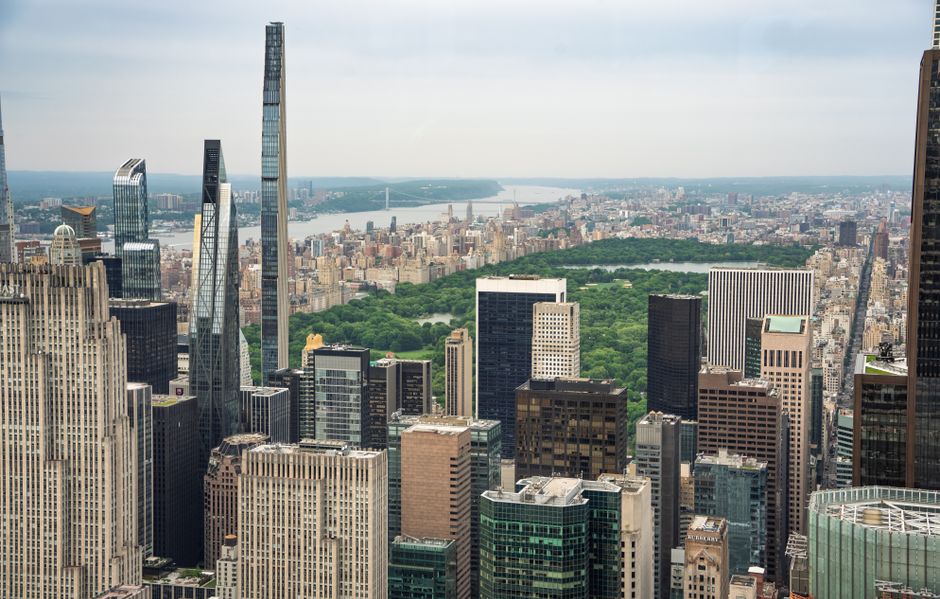
For New Yorkers struggling with isolation, the antidote increasingly looks like intentionality. A growing number of residents are seeking structured social connection—whether through running clubs that gather at Bethesda Terrace in Central Park, group fitness classes in neighborhoods like Park Slope and the East Village, or volunteer opportunities with organizations like God's Love We Deliver in the West Village.
The boutique fitness boom isn't purely about exercise. Studios like Peloton and smaller neighborhood gyms function as de facto community centers, with memberships averaging $180–$250 monthly. Many participants report that consistent classes provide not just physical benefits, but predictable social contact and accountability networks that combat isolation.
Community health centers across New York have also expanded mental wellness offerings. The NYC Department of Health's mental health hotline fielded over 180,000 calls in 2025 alone, with loneliness cited as a primary concern in roughly 35 percent. Walk-in peer support groups now operate free of charge at locations including the Harlem Hospital Center and Jamaica Hospital Center, addressing the accessibility gap that keeps many isolated individuals from seeking help.
Simple interventions matter, too. Spending time in Hudson River Park—particularly in organized settings like outdoor fitness classes or community gardens in neighborhoods from Battery Park City to Inwood—correlates with lower depression screening scores. Research suggests that combining physical activity with social presence amplifies both benefits.
The path forward isn't revolutionary. It's deeply human: showing up, regularly, with other people. For New Yorkers navigating the paradox of urban isolation, that consistency may be the most evidence-based medicine available.
If you're experiencing loneliness or struggling with mental health, consider reaching out to a local therapist or counselor. The NYC Department of Health maintains a directory of accessible mental health services across all neighborhoods.
This article was compiled by AI from the sources linked above and screened before publishing. See our editorial standards.
How does this story make you feel?
Spread the word
About this article
Published by The Daily New York
Daily brief
Free, in your inbox before 7am. Weekdays.
More in Wellness