The Great Outdoor: How Therapeutic Walking Is Becoming New York's Wellness Obsession
From the Highline to the Hudson Greenway, New Yorkers are trading treadmills for trails—and the wellness industry is taking notice.
From the Highline to the Hudson Greenway, New Yorkers are trading treadmills for trails—and the wellness industry is taking notice.

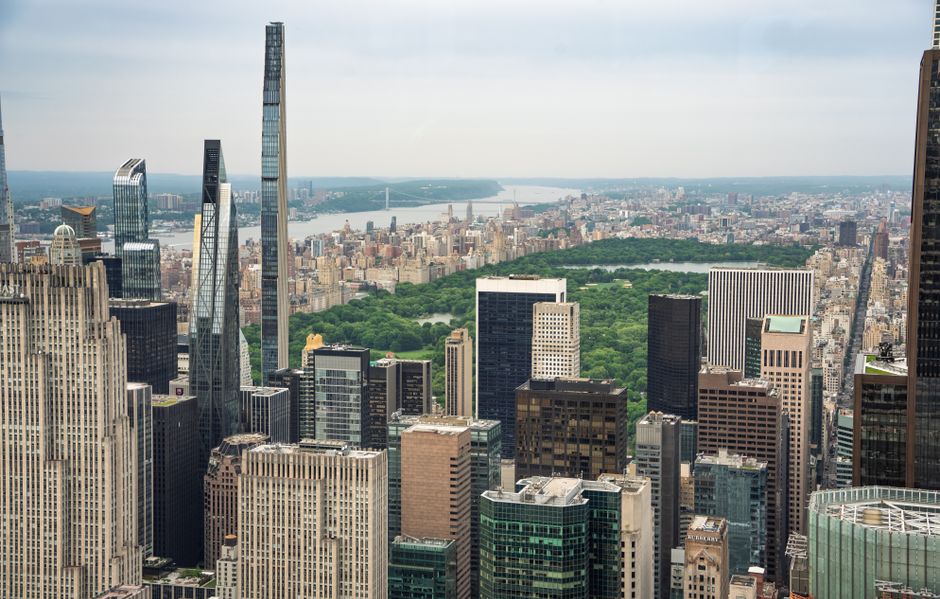
Walk through Central Park on any morning and you'll spot them: clusters of New Yorkers moving deliberately through the Ramble, pausing at Bethesda Terrace, or circling the Reservoir with the focused intensity usually reserved for SoulCycle studios. This isn't casual strolling. It's therapeutic walking—and it's become the city's most accessible wellness trend.
The shift is unmistakable. According to recent data from NYC Parks, foot traffic in the city's green spaces has increased 34 percent since early 2025, with the highest concentration in morning and early evening hours. Central Park alone welcomes roughly 42 million visits annually, but wellness-focused walking groups and apps targeting the park's specific loops now proliferate where personal trainers once dominated.
The Hudson River Greenway, stretching 32 miles along the waterfront, has emerged as the preferred route for New Yorkers seeking what wellness experts call "blue space therapy"—the calming effects of water proximity combined with movement. The newly expanded protected bike lanes mean pedestrians have dedicated, safer pathways from Battery Park through Inwood, transforming formerly car-dominated stretches into genuine wellness corridors.
Manhattan's newest boutique fitness brands have caught on. Several Tribeca and Williamsburg studios now offer guided "forest bath" walks in Prospect Park and the New York Botanical Garden in the Bronx, repackaging the Japanese practice of shinrin-yoku for the New York market. Prices range from $45 to $85 per session—premium pricing that reflects how walking has been rebranded as intentional wellness rather than free recreation.
What's driving this trend? Partly burnout. After years of high-intensity fitness culture, many New Yorkers are seeking lower-impact, more sustainable wellness practices. Partly economics: walking costs nothing. And partly geography—the city's 7,700 acres of parkland, recently expanded by the conversion of the Highline's third section in Chelsea, offers genuine escape within minutes of most neighborhoods.
Local wellness practitioners point to another factor: accessibility. Unlike boutique fitness classes, park walks don't require membership, advanced fitness levels, or scheduling weeks in advance. For New Yorkers navigating the city's high-stress environment, the ability to step into nature on the Upper West Side or along the East River Waterfront represents genuine democratization of wellness.
Whether it's a solitary sunrise loop around the Central Park Reservoir or an organized group walk from Union Square to Madison Square Park, outdoor walking has shifted from background activity to intentional health practice. In a city that prizes optimization, New York has optimized its oldest wellness tool: simply stepping outside.
This article was compiled by AI from the sources linked above and screened before publishing. See our editorial standards.
How does this story make you feel?
Spread the word
About this article
Published by The Daily New York
Daily brief
Free, in your inbox before 7am. Weekdays.
More in Wellness