The Habit That Works: How New Yorkers Actually Stick to Their Fitness Routines
From early-morning river runs to lunchtime studio sessions, locals share the practical strategies that transformed sporadic workouts into sustainable daily rituals.
From early-morning river runs to lunchtime studio sessions, locals share the practical strategies that transformed sporadic workouts into sustainable daily rituals.

New York's fitness landscape has evolved dramatically in recent years—no longer is the gym simply a place to show up and sweat. Instead, successful locals have built sustainable habits by anchoring workouts into their existing daily rhythms, turning fitness into something as routine as their commute.
The shift has been particularly noticeable among runners and cyclists who've capitalized on New York's expanding infrastructure. The Hudson River Greenway, which extends from Battery Park to the George Washington Bridge, has become the de facto office gym for thousands of Financial District and Midtown West professionals. A 2024 Parks Department survey found that morning users of the Greenway increased by 23 percent compared to five years prior—many logging runs before 7 a.m., when the path is quietest and commute times to Tribeca or the Upper West Side remain manageable.
Studio fitness has similarly shifted from occasional splurge to integrated habit. Rather than committing to expensive memberships, savvy New Yorkers have adopted a "layered" approach: a base membership at a YMCA or Chelsea Piers facility ($60–$180 monthly) combined with one or two boutique classes monthly through membership apps like ClassPass, which averages $99 to $179 per month. This flexibility allows people to maintain routine at their primary gym while experimenting with Pilates on the Upper East Side, spin in Williamsburg, or hot yoga in SoHo without financial overcommitment.
The most successful habit, though, is the simplest: proximity. Fitness professionals across New York report that clients who work out at studios or gyms within a 10-minute walk of their home or office are 40 percent more likely to maintain consistency. A gym in Astoria frequented by local residents noted that mid-afternoon sessions—3 to 5 p.m.—have become popular escape routes for office workers based in Long Island City, breaking up the workday without requiring expensive lunch-hour boutique classes.
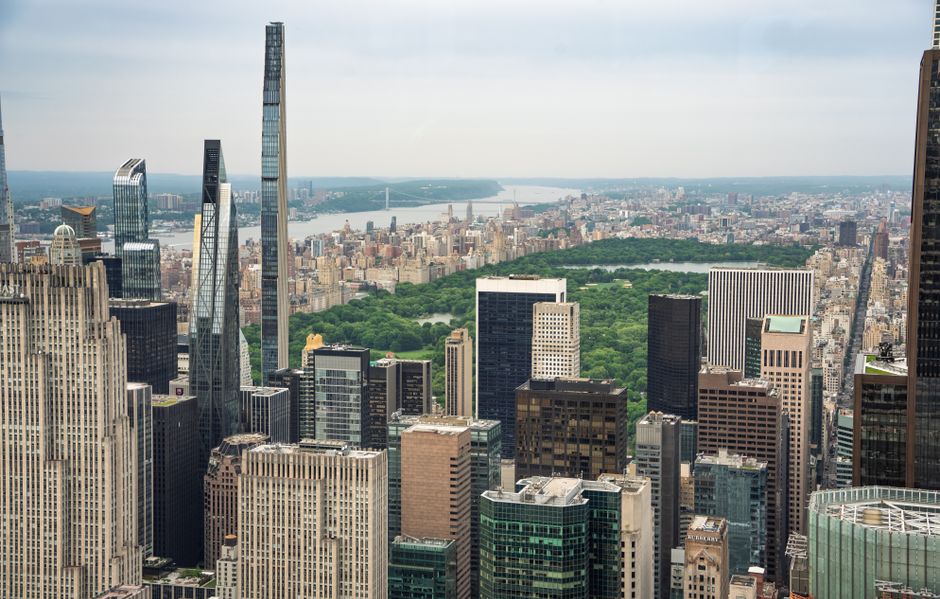
Evening group fitness in parks remains underutilized. Central Park hosts free fitness classes through the Parks Department most summer weekends, yet attendance remains low—suggesting New Yorkers prioritize structured, paid environments where accountability feels clearer.
The underlying insight: New Yorkers don't succeed by finding time for fitness. They succeed by treating it as nonnegotiable infrastructure, woven into geography and schedule rather than treated as optional add-on. The gyms and studios thriving today aren't the flashiest; they're the ones that fit seamlessly into how people already move through the city.
This article was compiled by AI from the sources linked above and screened before publishing. See our editorial standards.
How does this story make you feel?
Spread the word
About this article
Published by The Daily New York
Daily brief
Free, in your inbox before 7am. Weekdays.
More in Wellness