wellness
New York's Best Meditation Classes, Groups and Apps Worth Trying Right Now
From a free Sunday sit in Central Park to $40 drop-in sessions in Tribeca, the city's meditation scene has never been more accessible, or more varied.
Listen in English · 5 min
How we reported this
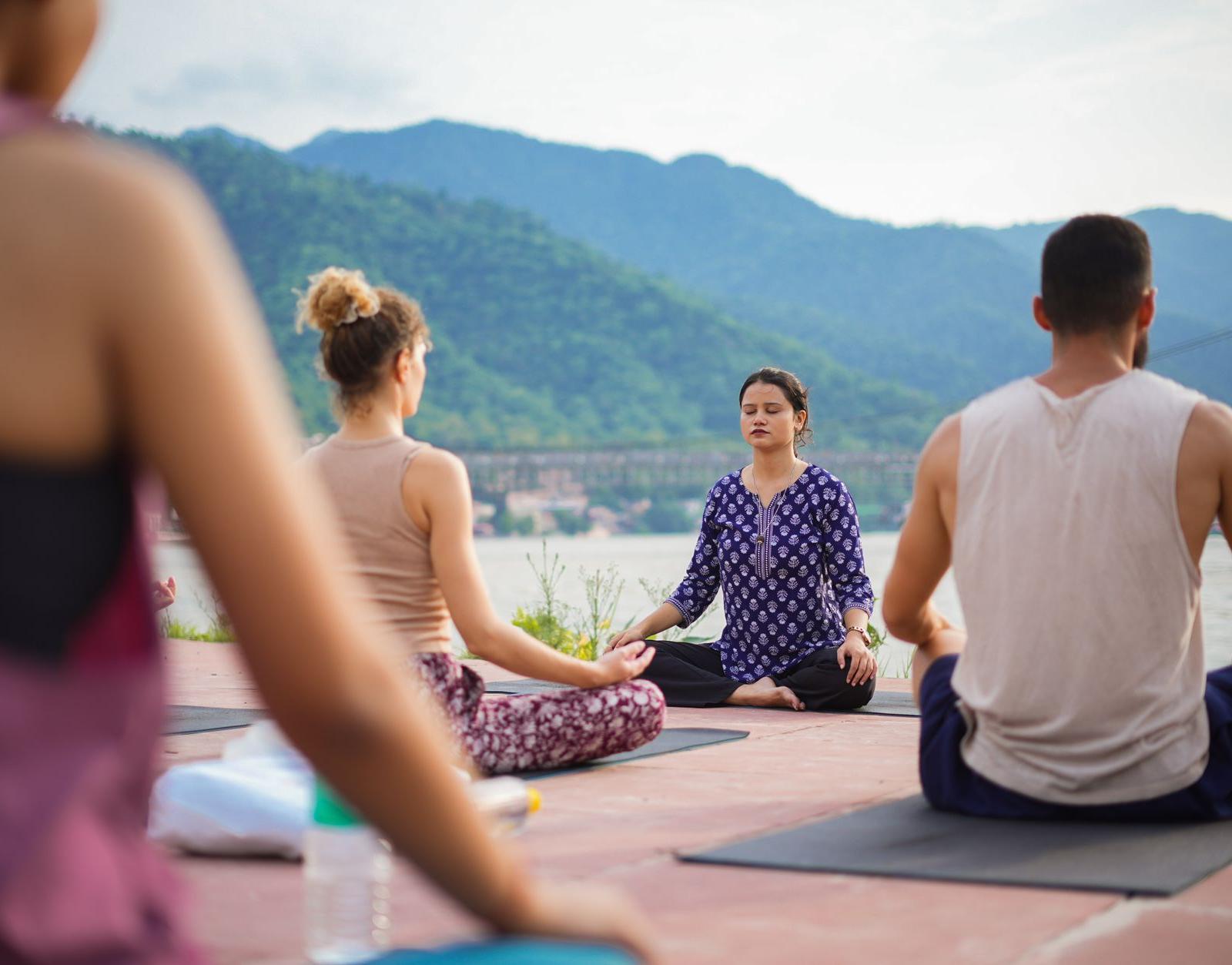
Enrollment at New York City's dedicated meditation studios jumped roughly 34 percent between 2023 and early 2026, according to fitness-booking platform Mindbody, and the waitlists at several Manhattan centers are now running two to three weeks out. The anxiety economy is booming, and so is the antidote.
The spike isn't accidental. Remote and hybrid work has permanently scrambled the boundary between professional stress and home life, and a growing body of clinical research, including a 2025 meta-analysis published in JAMA Internal Medicine, links consistent mindfulness practice to measurable reductions in cortisol levels and self-reported anxiety scores. New Yorkers, historically skeptical of anything that asks them to sit still, are paying attention.
Where to Show Up in Person
The Shambhala Meditation Center on West 22nd Street in Chelsea remains one of the city's most established entry points. Founded in 1975, it runs a recurring "Open Heart" introductory program on Tuesday evenings for $25 per session, with a sliding scale available for anyone who needs it. The teachers are trained through a lineage-based curriculum, which gives it a structural rigor that drop-in yoga studios rarely match.
Further downtown, MNDFL, with locations in the West Village on Sixth Avenue and on the Upper East Side near 86th Street, has become the city's most recognizable branded studio. Drop-in classes run $22 to $35 depending on length, and its 30-minute lunch sessions have become a genuine midday ritual for workers in the surrounding neighborhoods. First-timers can grab an introductory three-class pass for $59, which takes the financial risk out of finding a teacher whose style actually clicks.
For the budget-conscious, the New York Insight Meditation Center in the Flatiron District offers dana-based programming, donation only, on most Thursday evenings. It draws a crowd that skews older and more experienced, which means newcomers get an unfiltered look at long-term practice rather than a polished marketing pitch. And Central Park's Sheep Meadow hosts informal group sits organized through the Meetup group NYC Mindfulness Meditation most Sunday mornings at 8 a.m. through September, weather permitting. It costs nothing except the subway fare.
Apps That Actually Earn Their Subscription Fee
The app market is cluttered, but a few have earned real loyalty among New York practitioners. Insight Timer remains free for its core library of more than 200,000 guided meditations, and it carries sessions from several local teachers, search "New York" in the teacher directory to find instructors who also offer in-person sessions in the city, useful if you want to audition someone before paying for a class.
Ten Percent Happier, built around plain-language, skeptic-friendly instruction, charges $99.99 annually and has developed a following among the finance and legal crowds in Midtown who treat most wellness content with professional suspicion. Its structured courses on stress reduction and sleep are particularly strong. Calm, at $69.99 a year, is better suited to beginners who need ambient help winding down rather than structured skill-building, its sleep-focused content is genuinely useful but the meditation courses themselves are shallow by comparison.
For New Yorkers who want something closer to clinical rigor, the NYU Langone Health system runs an eight-week Mindfulness-Based Stress Reduction (MBSR) program through its Integrative Health department on East 34th Street. The full course runs approximately $450, which is steep, but it follows the protocol developed by Jon Kabat-Zinn at UMass Medical School in 1979, the most extensively studied mindfulness intervention in existence. Insurance occasionally covers it when referred by a physician, so it's worth asking.
The practical advice is simple: start with one session, in person if possible, before committing to an app subscription or a multi-week course. Teachers vary enormously in style, and the format that helps one person disengage from a relentless internal monologue will leave another cold. Hudson River Park's quieter piers, particularly Pier 46 in the West Village, make a decent free backdrop for solo practice while you're still figuring out what works. As always, anyone dealing with clinical anxiety or depression should talk to a doctor or licensed mental health professional before treating meditation as a standalone fix.