The Rise of Outdoor Boot Camps: What to Expect
New Yorkers are ditching climate-controlled gyms for dawn workouts on the grass — and the outdoor boot camp scene has never been more organised, affordable, or sweaty.
New Yorkers are ditching climate-controlled gyms for dawn workouts on the grass — and the outdoor boot camp scene has never been more organised, affordable, or sweaty.
The waitlists are back. Outdoor boot camp sessions across Central Park and the Hudson River Park esplanade have filled to capacity on weekend mornings this summer, with some free community programs turning away dozens of participants by 7 a.m. New York's group fitness culture, which took years to rebuild after pandemic closures gutted the boutique gym industry, has decisively moved outside — and the format doing the heavy lifting is the boot camp.
The timing is no accident. After years of $40-per-class indoor cycling studios and $180-a-month gym memberships squeezing household budgets, outdoor group training offers something the wellness industry rarely delivers: near-zero cost entry with legitimate coaching. A July 2025 survey by the American College of Sports Medicine ranked outdoor functional training second only to wearable technology among the fastest-growing fitness trends for 2026. Participation in park-based group exercise among adults aged 25 to 44 rose 34 percent between 2023 and 2025, according to the National Recreation and Park Association. That demographic is, broadly speaking, the entire demographic of the 6 train on a Thursday morning.
The action is concentrated at a handful of anchors. November Project NYC, which has run free, volunteer-led workouts since its New York chapter launched in 2013, draws 200-plus participants to the steps of Soldier's Arch at Prospect Park on Wednesday mornings and to the Great Lawn in Central Park on Fridays. No registration required, no fee, no excuses — the group's founding ethos has worn remarkably well. Sessions run roughly 45 minutes and combine sprint intervals, bodyweight circuits, and the occasional hill repeat that leaves first-timers humbled.
On the west side, Hudson River Park's Pier 46 in the West Village hosts a rotating series of boot camps run by local trainers under the park's official fitness programming umbrella. Classes there run Tuesday and Saturday mornings through September 27, cost $15 per drop-in session, and cap at 25 people. The pier setup — open water on three sides, no roof — makes it arguably the most atmospheric workout venue in Manhattan. Reebok-partnered trainers from the Flatiron-based studio Performix House have also been running pop-up outdoor sessions at East River Park's amphitheater, near Delancey Street, since May.
What actually happens at a boot camp matters for anyone considering showing up for the first time. Expect a structured 45-to-60-minute session divided into a dynamic warm-up, three to four circuits of timed exercises — typically push-ups, squat variations, lunges, burpees, and plank holds — and a cooldown stretch. Trainers program the circuits to cycle through upper body, lower body, and cardiovascular work without needing any equipment beyond a mat and water bottle. The group structure is genuinely functional: participants tend to push harder when surrounded by other people working at similar intensity, a phenomenon exercise scientists call social facilitation. Heart rate monitors, if you wear one, will confirm it.
Logistics matter more than people expect. Central Park's Sheep Meadow and the North Meadow Recreation Center at 97th Street are common boot camp sites, but the park's permit rules mean organised groups larger than 20 technically require a Parks Department permit — something established programs like November Project have navigated, but informal pop-ups sometimes haven't. Check before you show up that the session you're attending is sanctioned; the Parks Department's online permit database is publicly searchable.
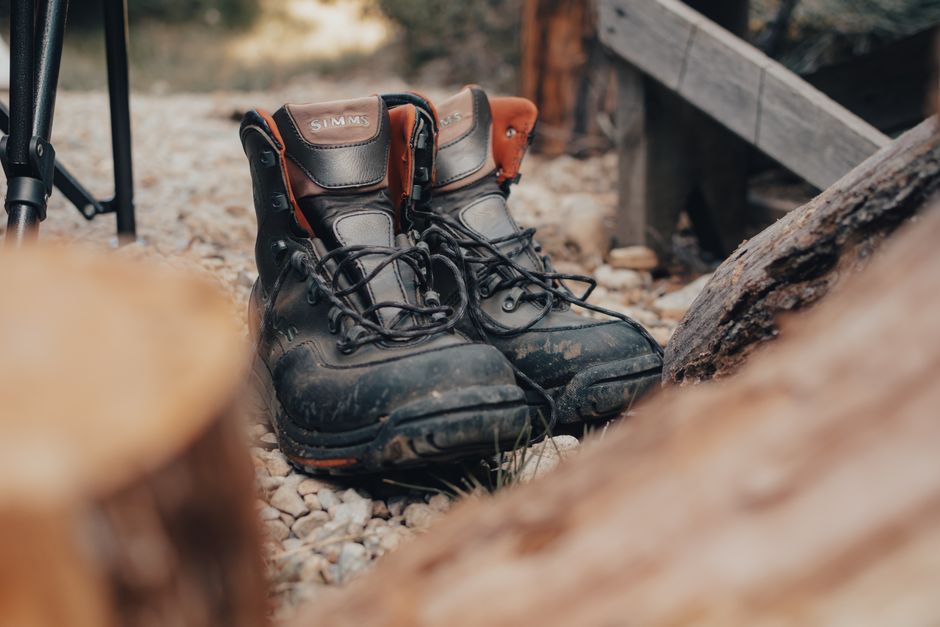
Gear is minimal but specific. Turf or trail shoes perform better than road runners on grass. A 32-ounce water bottle is the floor, not the ceiling, for a July morning session in humidity that routinely hits 75 percent by 8 a.m. Sunscreen and a light moisture-wicking layer for the warm-up cool-down window round out the kit.
For anyone managing an injury or a chronic condition, outdoor boot camps are not a replacement for a conversation with a physician or physical therapist. The New York City Department of Health maintains a directory of community health centers across all five boroughs where residents can get baseline fitness assessments before committing to high-intensity group work. The entry point for outdoor boot camps is low, but the physical demands are real — and showing up informed is still the best warm-up there is.
How does this story make you feel?
Spread the word
About this article
Published by The Daily New York
Daily brief
Free, in your inbox before 7am. Weekdays.
More in Wellness