Mindfulness in Schools: What Local Programs Are Available
New York schools are investing in mindfulness education, aiming to help students manage stress and build focus. Here's where families can find programs and how the city is leading the charge.
New York schools are investing in mindfulness education, aiming to help students manage stress and build focus. Here's where families can find programs and how the city is leading the charge.
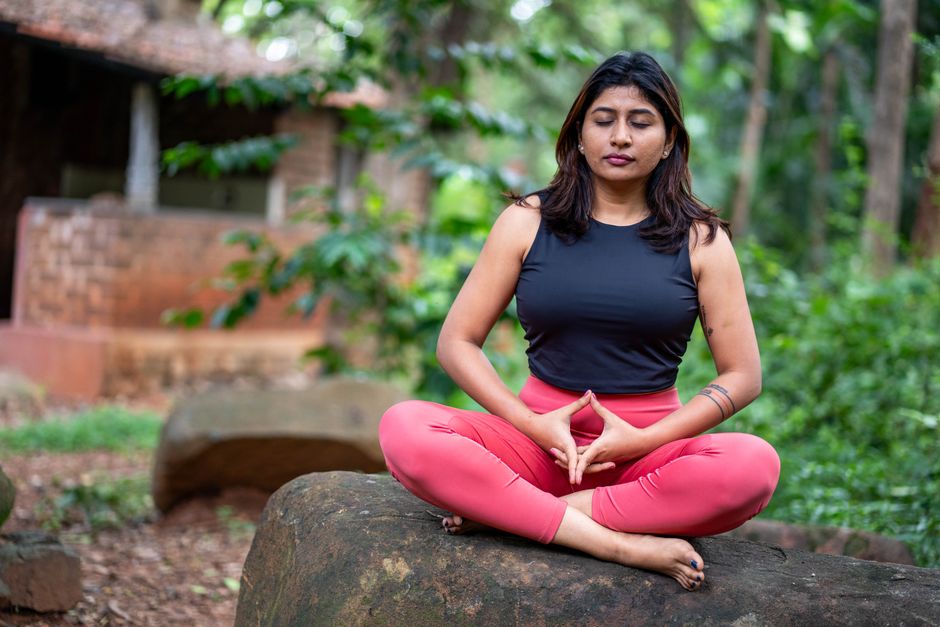
Fourth-graders at PS 33 Chelsea Prep began their school day last month not with math drills or spelling, but with three minutes of guided breathing in a quiet classroom. The daily ritual—a structured mindfulness exercise introduced in January—reflects a growing citywide push to bring meditation and stress management tools into New York public schools.
With pandemic-era anxiety, school safety fears, and academic pressure weighing on students, educators and parents are looking for science-backed ways to support mental health. Mindfulness in classrooms is no longer experimental: it’s becoming an expected feature at many schools from Tribeca to Harlem. “We’re seeing much higher rates of anxiety and absenteeism,” said a Manhattan assistant principal, summarizing a trend reflected nationally and locally. “Mindfulness gives students, and teachers, a way to reset—even in the middle of chaos.”
Several city programs have taken the lead in institutionalizing mindfulness for students. The Inner Explorer curriculum rolled out this spring at six Manhattan elementary schools—including PS 161 Pedro Albizu Campos in Harlem—and is funded in part by a $225,000 grant secured by the Department of Education. On the west side, Mindful Schools, a national nonprofit, ran training workshops for teachers at Hudson Guild (W. 26th St.) and continues weekly sessions for grades K-5 at PS 33 and PS 11 William T. Harris in Chelsea.
Brooklyn is also in on the trend: the Brooklyn Children’s Museum piloted after-school meditations for Crown Heights students, while the Morningside Center for Teaching Social Responsibility—based on Broadway—has spent over a decade developing the 4Rs Program, which combines breathing exercises, emotional literacy, and peer dialogue. As of June 2026, the 4Rs curriculum was in place in 94 New York public schools, most notably in Bed-Stuy, Flatbush, and Inwood.
The DOE’s School Culture and Climate Initiative offers mindfulness training for teachers at no cost, providing access to digital resources and in-person instruction. For families, the Mindful Schools program charges nothing for public school students, covered by city and private grants. The popular New York Insight Meditation Center on West 27th also launched in-person "Mindful Kids" weekends (tuition: $50 for four-week sessions), with scholarships available for low-income families.
The numbers are catching up with the enthusiasm. According to the NYC Department of Education, 131 public schools—about 7% of the city’s total—offered structured mindfulness or meditation programs during the 2025-2026 academic year, up from just 31 a decade ago. Preliminary results from a Columbia University Teachers College study, released in March, show a 23% drop in self-reported incidents of classroom disruption at schools using formal mindfulness curricula compared to demographically similar control schools.
However, access isn’t universal. While most Manhattan districts now feature at least one school with a mindfulness program, coverage remains patchy in Queens and the Bronx, and some programs rely on grant cycles. A parent with two sons at PS 20 Anna Silver, where Mindful Schools ran pilot sessions this year, said the difference in her boys’ ability to manage test stress was “marked.” But she’s not sure what will happen next fall if funding lapses.
Parents interested in mindfulness programs should check with their school’s guidance counselors or the NYC DOE Office of School Wellness Programs. Applications for Inner Explorer’s next cohort open September 15, and most in-school offerings resume the week after Labor Day. For community-based after-school options, try the Mindful Kids programs at New York Insight, or public meditation hours (free for ages 6-18) at the Kadampa Meditation Center in Williamsburg. Local experts agree that the benefits—fewer disciplinary referrals, improved focus and more resilient kids—make mindfulness more than just a trend. In New York, it’s fast becoming part of the school day routine.
How does this story make you feel?
Spread the word
About this article
Published by The Daily New York
Daily brief
Free, in your inbox before 7am. Weekdays.
More in Wellness