First-Time Buyers, Take Note: How New Development Projects Are Reshaping NYC's Entry-Level Market
From Astoria to Red Hook, fresh housing supply and targeted grant programs are finally giving young New Yorkers a realistic path to ownership.
From Astoria to Red Hook, fresh housing supply and targeted grant programs are finally giving young New Yorkers a realistic path to ownership.
For years, the first-time home buyer in New York has faced a grim arithmetic: median prices hovering near $800,000 citywide, Manhattan co-ops and condos starting above $1.3 million, and a rental market that devours 40% of household income. But 2026 is reshaping that calculus, thanks to a convergence of new development projects and expanded financing programs that are creating genuine entry points outside traditional strongholds.
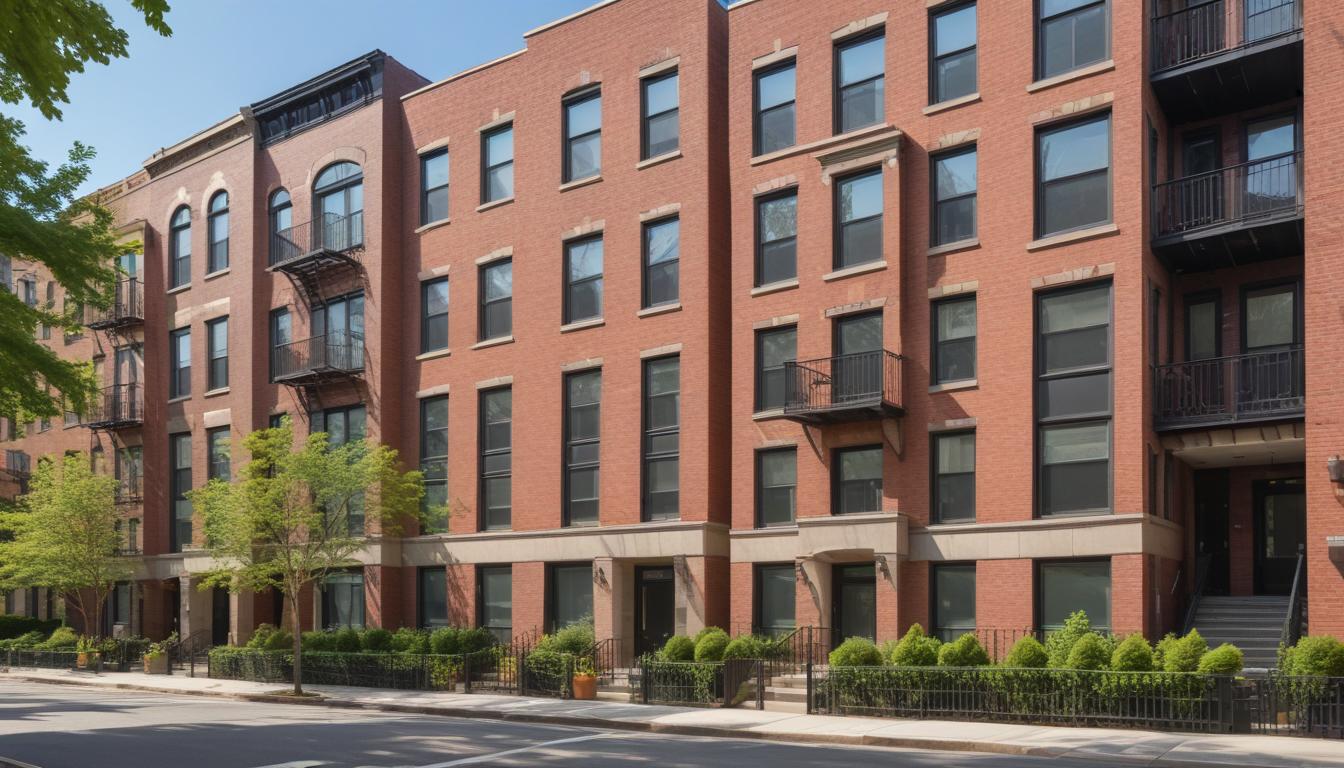
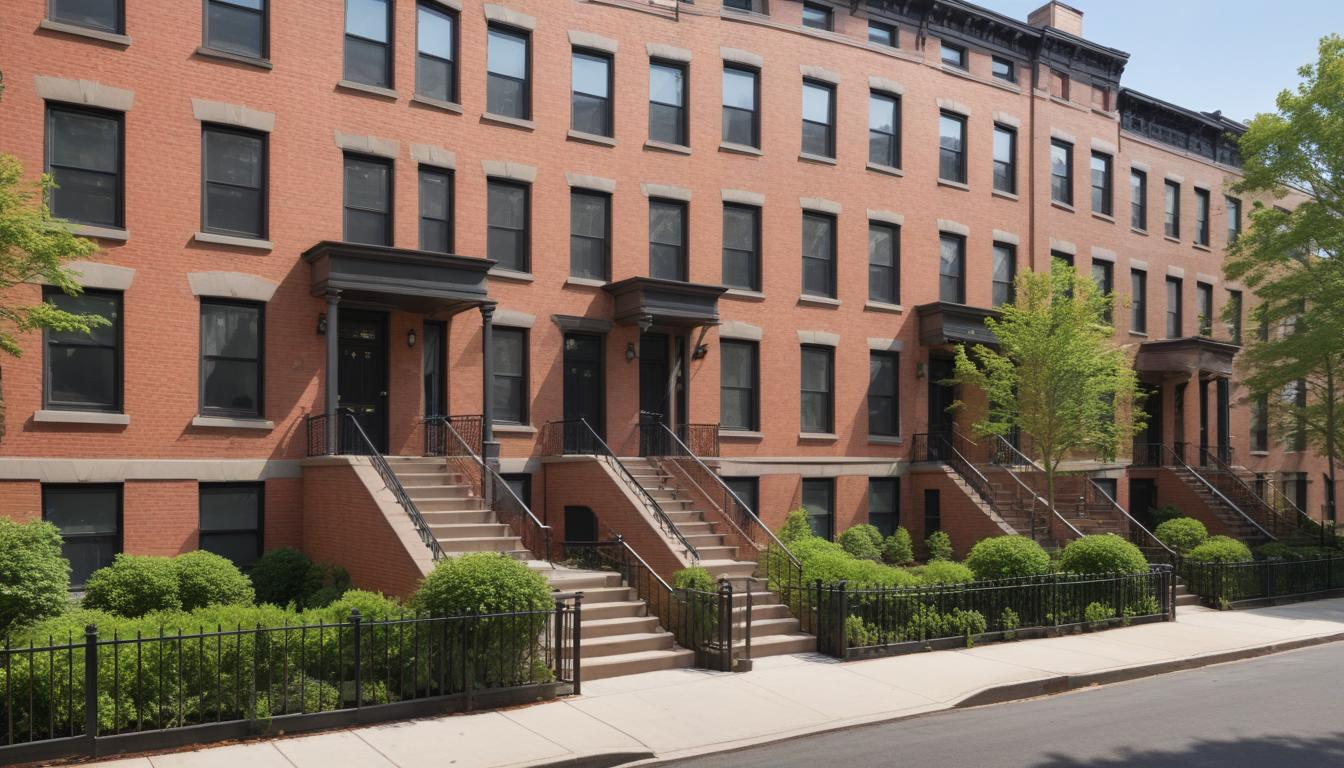
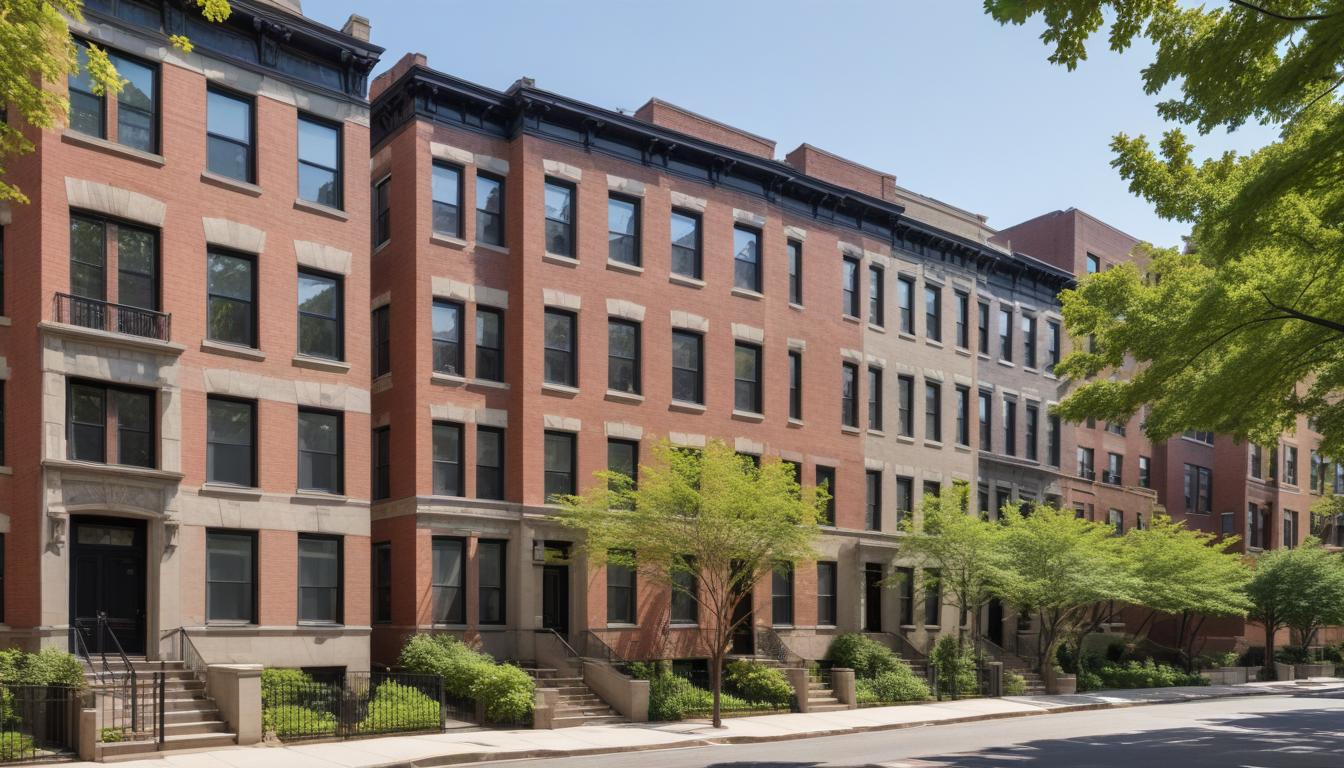
The most significant shift is happening in outer-borough neighborhoods where developers are building modest inventory specifically priced for the sub-$600,000 segment. Long Island City's waterfront continues to mature, with newer projects offering two-bedroom units in the $550,000–$700,000 range. Similarly, Astoria Queens—long overlooked despite its transit connectivity and cultural vitality—is seeing a wave of mid-rise residential developments that are attracting first-time buyers seeking space and affordability within the same transit zone as Manhattan.
What makes this moment different is financing. New York State's expanded Housing Opportunity Program, combined with NYC's continued FirstHome matching grant initiative (up to $100,000 for qualifying buyers under certain income thresholds), has reduced effective down payments to as low as 3 percent for development properties. For a $550,000 unit, that translates to roughly $16,500 upfront—suddenly achievable for households earning $100,000–$150,000 annually.
Red Hook and Sunset Park in Brooklyn are experiencing similar momentum. New mixed-use developments along the waterfront corridor are reserving 15–20% of units for affordable purchase, a requirement that's trickling down to neighborhood-level projects throughout the borough. These aren't luxury towers; they're mid-market buildings designed for the actual demographic trying to establish roots in the city.
The infrastructure argument is equally compelling. Transit-oriented development around the 7 Line extension and ongoing improvements to the M15 bus corridor in lower Manhattan are making neighborhoods like Astoria and Long Island City genuinely attractive to remote workers and commuters alike. Buyers purchasing in these areas aren't betting on future gentrification—they're moving into neighborhoods already humming with life.
For first-time buyers, the advisory is straightforward: understand your grant eligibility (requirements vary by income and geography), get pre-approved before looking at new construction, and think strategically about where jobs and lifestyle intersect. The old playbook—waiting five years while renting, saving aggressively, then overpaying—is no longer the only path. Development-driven supply and targeted grants have finally created real optionality for the emerging homeowner.
This article was compiled by AI from the sources linked above and screened before publishing. See our editorial standards.
How does this story make you feel?
Spread the word
About this article
Published by The Daily New York
Daily brief
Free, in your inbox before 7am. Weekdays.
More in Property