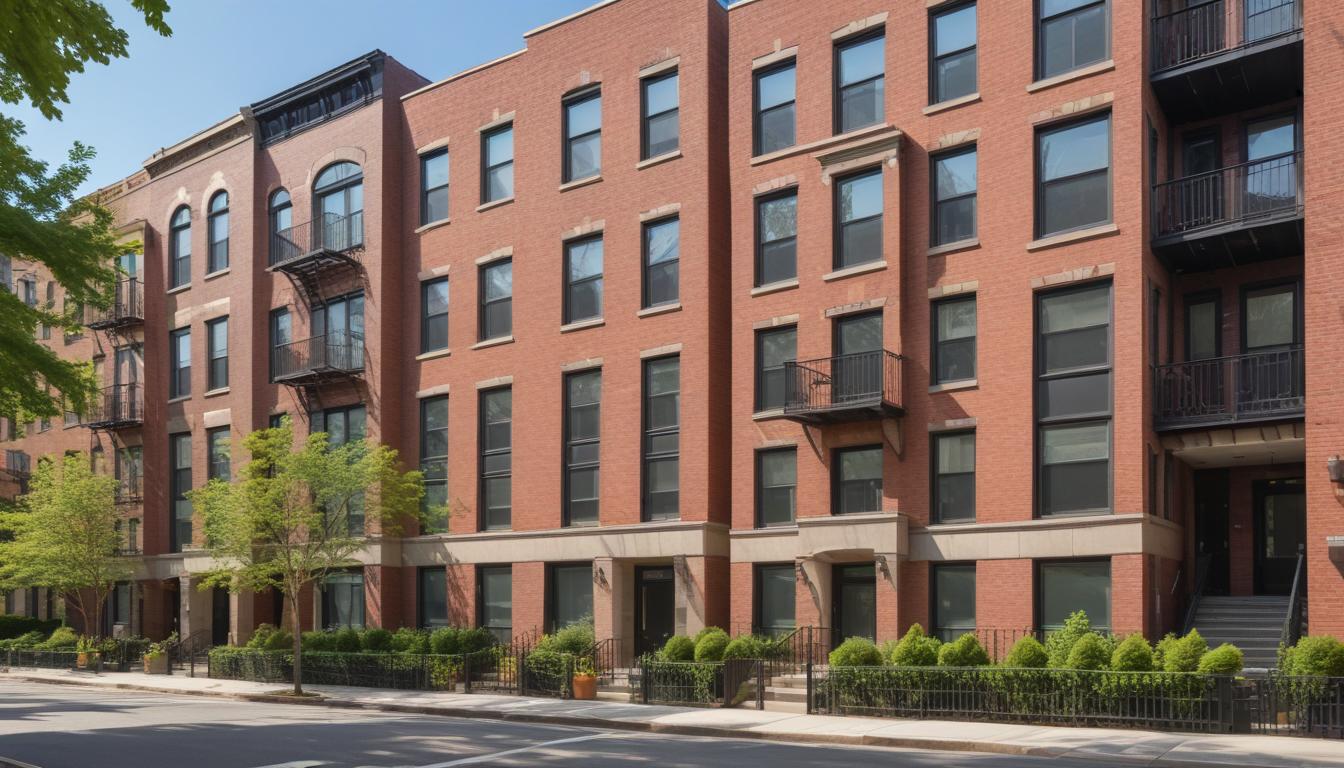
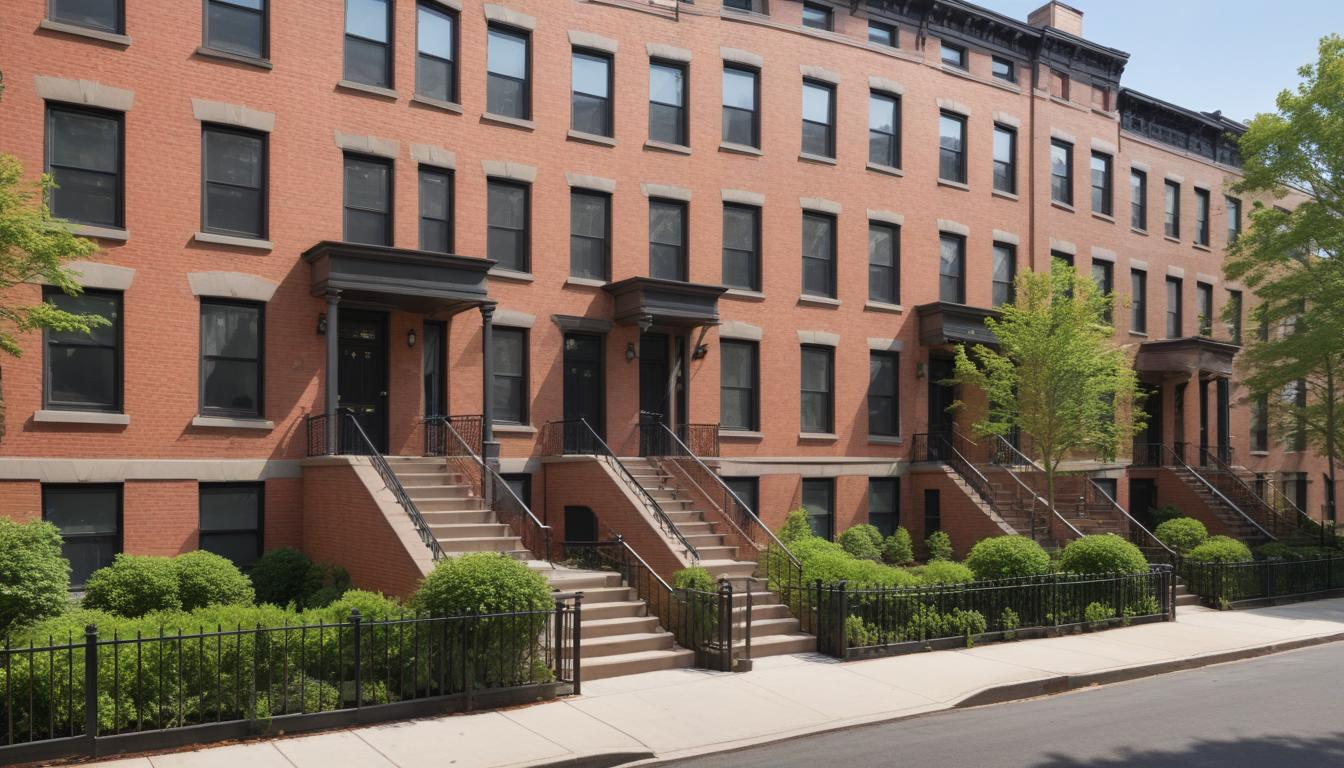
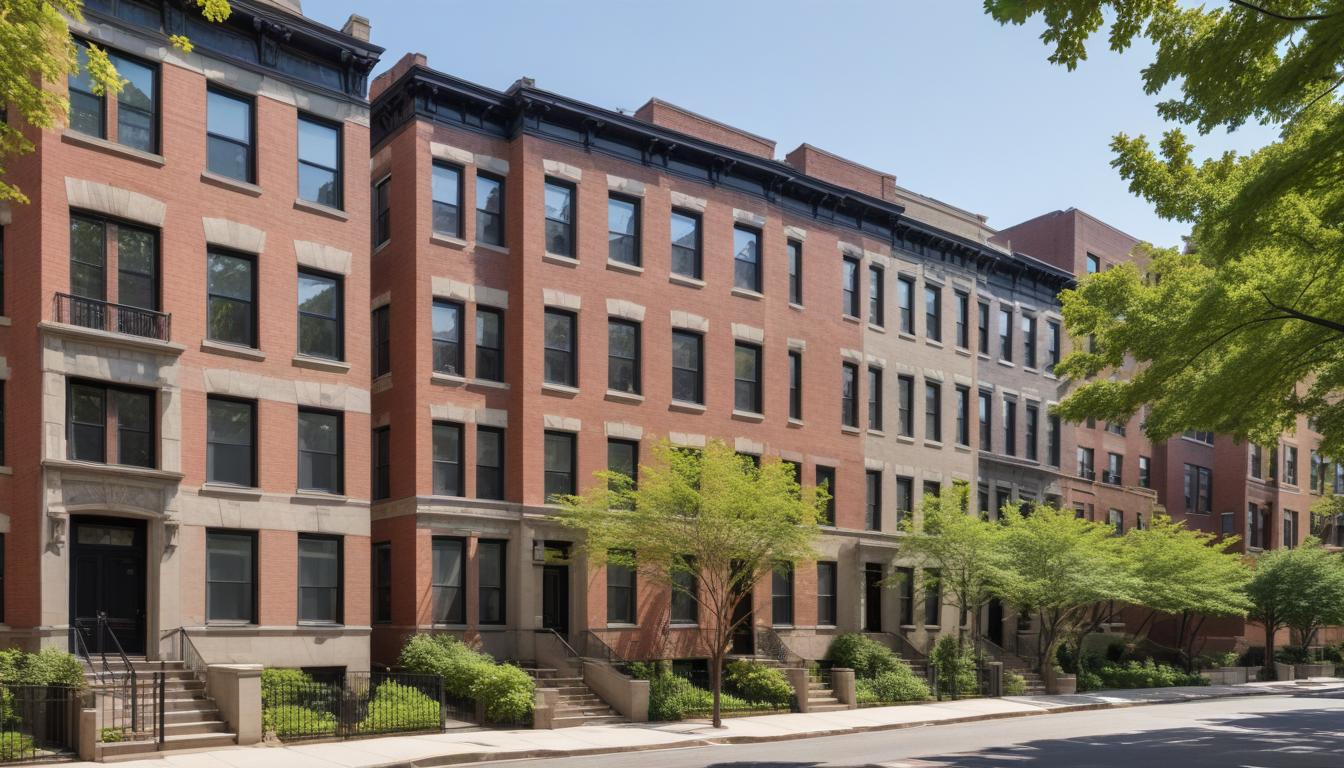
Six months ago, a one-bedroom condo at Hunters Point South sold for $645,000. Today, comparable units in the same complex list for $710,000. Welcome to Long Island City in 2026, where Queens' waterfront renaissance has shifted from speculative whisper to concrete investment thesis.
The neighbourhood's trajectory reads like a masterclass in real estate momentum. With Manhattan's median hovering stubbornly at $1.3 million and Brooklyn's growth cooling, Long Island City has emerged as the rare New York pocket offering both accessibility and appreciation. Median prices have climbed from $535,000 in mid-2024 to $715,000 today—a 34% surge that's catching the attention of both first-time buyers priced out of traditional strongholds and institutional investors hedging their Manhattan exposure.
The physical transformation tells the story. The Gantry Plaza State Park waterfront, once a forgotten industrial corridor, now hosts weekend crowds exploring renovated piers and new restaurants. The opening of the new arts corridor along 44th Drive—anchored by galleries and creative studios—has attracted younger professionals seeking alternatives to Williamsburg's maturity and price tags. Meanwhile, the Queens Museum's expanded programming and proximity to MoMA's satellite initiatives have added cultural weight to an area historically dismissed as transitional.
Infrastructure timing matters. The completed Long Island Rail Road connection to Jamaica Station and ongoing subway improvements mean commute times to Midtown are now competitive with many Brooklyn neighbourhoods. For remote workers, the equation shifts entirely: you're essentially buying Hudson River views and new construction at a 45% discount to comparable Manhattan locations.
But momentum carries risk. New development permits in Long Island City are up 67% year-over-year, flooding the market with inventory precisely as interest rates stabilise. The neighbourhood's appeal remains tethered to continued institutional investment—Google's expanded footprint at their Pier 57 campus, Amazon's consideration of additional office space—and tech sector stability remains uncertain.
For investors, the calculation is straightforward. A $700,000 condo today in Long Island City generates rental yields of 3.2-3.8%, meaningfully better than Manhattan's 2.1% average. Most units move within 45 days. The downside risk is equally clear: if the tech sector contracts or Amazon's expansion plans stall, the neighbourhood's primary narrative engine sputters.
For now, Long Island City remains the rare New York neighbourhood where median prices still feel tethered to fundamentals rather than pure speculation. But at growth rates exceeding 30% annually, that window may be narrowing fast.
This article was compiled by AI from the sources linked above and screened before publishing. See our editorial standards.