Long Island City's Next Wave: How $4B in Development Will Reshape a Borough
Major mixed-use projects are transforming Queens' waterfront into Manhattan's new competitor—and reshaping what investors should expect from the market.
Major mixed-use projects are transforming Queens' waterfront into Manhattan's new competitor—and reshaping what investors should expect from the market.
Long Island City has stopped being a speculative bet. With over $4 billion in active development projects along the East River waterfront, the Queens neighbourhood is cementing itself as a structural shift in New York's real estate landscape, forcing investors to recalibrate their portfolio strategies.
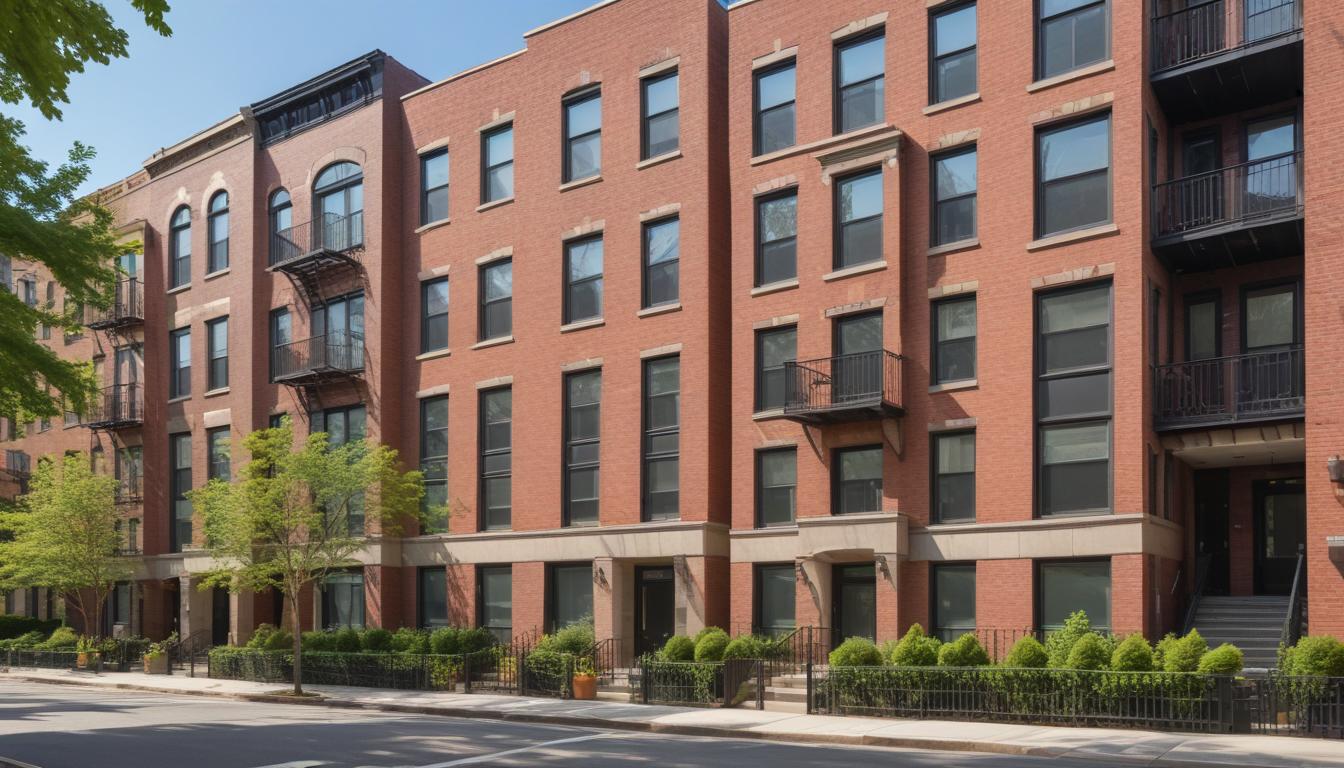
The catalyst is straightforward: office-to-residential conversions and new ground-up construction are flooding the market with supply at precisely the moment Manhattan's rental squeeze is tightening. The SL Green Realty conversion on Jackson Avenue—once slated as Class A office—is now delivering 500-plus residential units. Nearby, the Rainey Park development is adding 1,100 apartments and 70,000 square feet of retail, anchored by a waterfront public plaza designed to rival Hudson River Greenway appeal.
The pricing reflects this inflection. A year ago, Long Island City rentals averaged $3,200 for a one-bedroom. Today, new units are leasing at $3,800–$4,200, a 20 percent year-over-year jump. Yet that still undercuts comparable Manhattan apartments by 30–40 percent, making the calculus irresistible for renters priced out of the Upper West Side or Williamsburg.
What matters most for investors: neighbourhood amenities are being engineered alongside density. The Queensbridge Park expansion, Gantry Plaza State Park improvements, and the planned Astoria Cove public waterfront all address the historic criticism that Long Island City lacked residential character. Restaurants and retail are following predictably—the Queens location of Balthazar opened last month; artisanal coffee roasters and independent bookstores have clustered around Court Square.
The transit argument has also tightened. The E, M, and G lines already serve the area, but the city's proposed transit infrastructure plan includes Long Island City as a secondary hub. If implemented, that positioning would fundamentally alter the neighbourhood's competitive calculus against outer Brooklyn.
For existing property owners, the implications are mixed. Residential units completed in 2024–2025 are holding value and generating strong rental yields—5.5–6.5 percent gross return is not uncommon. But cap rates on new development sites have compressed to 4–4.5 percent, signalling that upside may be priced in already.
The real question is trajectory. With major developers now viewing Long Island City as a primary investment—not secondary overflow—the neighbourhood is no longer an alternative play. It's becoming a structural competitor. For investors looking to hedge Manhattan's stratospheric valuations without sacrificing accessibility, the window for entry at reasonable basis is narrowing visibly. After 2027, the neighbourhood will likely be priced for stability, not growth.
This article was compiled by AI from the sources linked above and screened before publishing. See our editorial standards.
How does this story make you feel?
Spread the word
About this article
Published by The Daily New York
Daily brief
Free, in your inbox before 7am. Weekdays.
More in Property