The romance of New York real estate investment has always hinged on one promise: appreciation plus yield. Today, that math is getting tighter, and the data is telling a story far more nuanced than headlines about $2 million land parcels suggest.
Consider the fundamentals. A typical Manhattan co-op or condo trading near the $1.3 million median commands gross rental yields between 2.5 and 3.2 percent—respectable by global standards but hardly transformative. A $1.3 million purchase generating $39,000 annually in rent leaves little room for error once mortgage, taxes, and maintenance are factored in. Net yields hover closer to 1 to 1.5 percent, according to market analysts tracking 2026 transactions.
The real opportunity, however, has migrated eastward and outward. Brooklyn neighborhoods like Park Slope and Prospect Heights, where median prices sit 15 to 20 percent below comparable Manhattan stock, are generating 3.5 to 4.2 percent gross yields on rental properties. Queens—particularly Long Island City and Astoria—has become a magnet for yield-conscious investors, with gross returns reaching 4.5 percent on modest two-bedroom units renting for $2,800 to $3,200 monthly against purchase prices of $650,000 to $750,000.
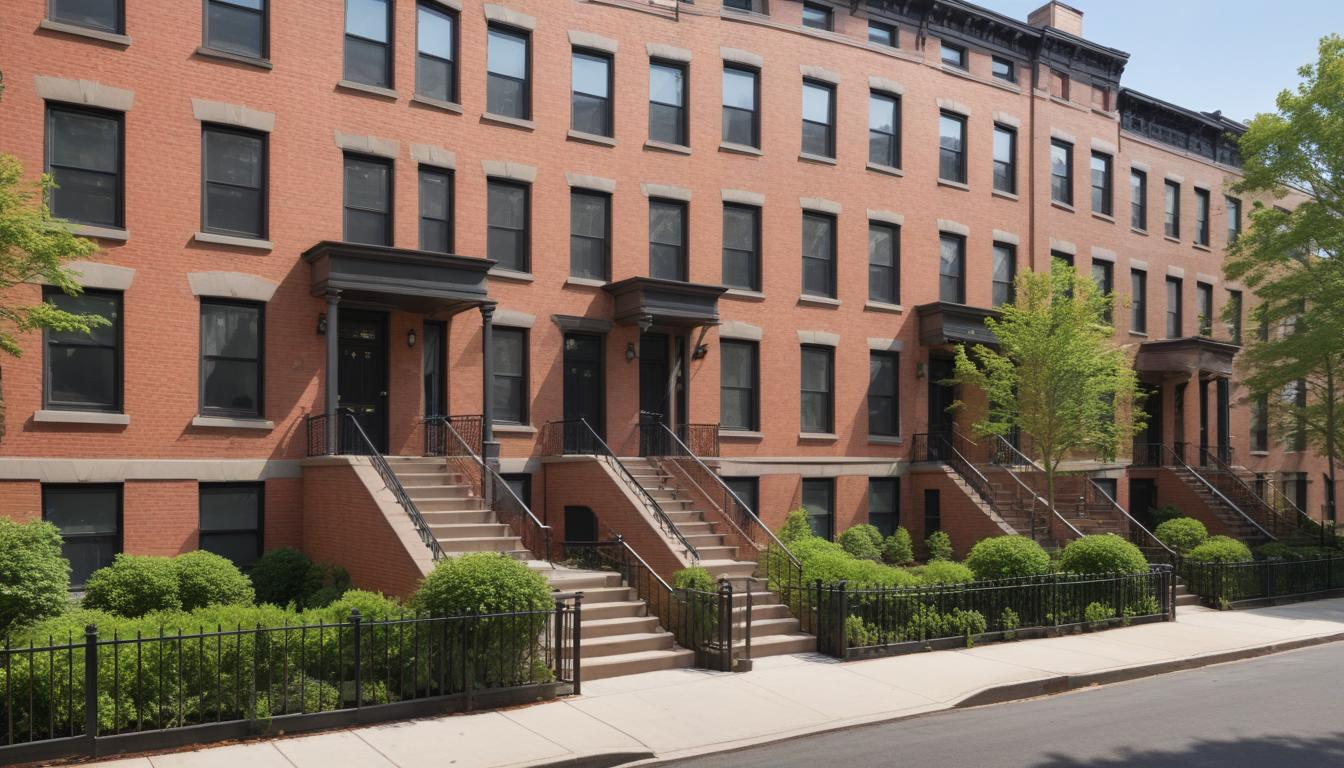
What's driving this divergence? Manhattan's rental market has softened slightly from pandemic peaks, with median rents settling around $4,200 for a one-bedroom in Midtown and $3,800 in the Upper West Side. Outer boroughs, by contrast, are experiencing sustained migration as younger households and relocating professionals optimize for space and affordability. An investor buying a renovated townhouse on a tree-lined Williamsburg block today might secure a 4 percent yield while banking on 2 to 3 percent annual price appreciation.
The regulatory backdrop matters too. New York's expanded ADU zoning and rental stabilization rules create friction for short-term investors but reward long-term holders. Groups like the Real Estate Board of New York have documented increased institutional capital flowing toward rental portfolios—a signal that professional money is chasing yield, not speculation.
The headline lesson: New York property remains a wealth-building tool, but investors must abandon the fantasy of double-digit returns. A $1 million investment generating $35,000 to $45,000 annually, paired with modest appreciation, compounds into real wealth over 15 to 20 years. The numbers show that patience, location discipline, and realistic yield expectations separate winners from those chasing yesterday's narrative.
This article was compiled by AI from the sources linked above and screened before publishing. See our editorial standards.