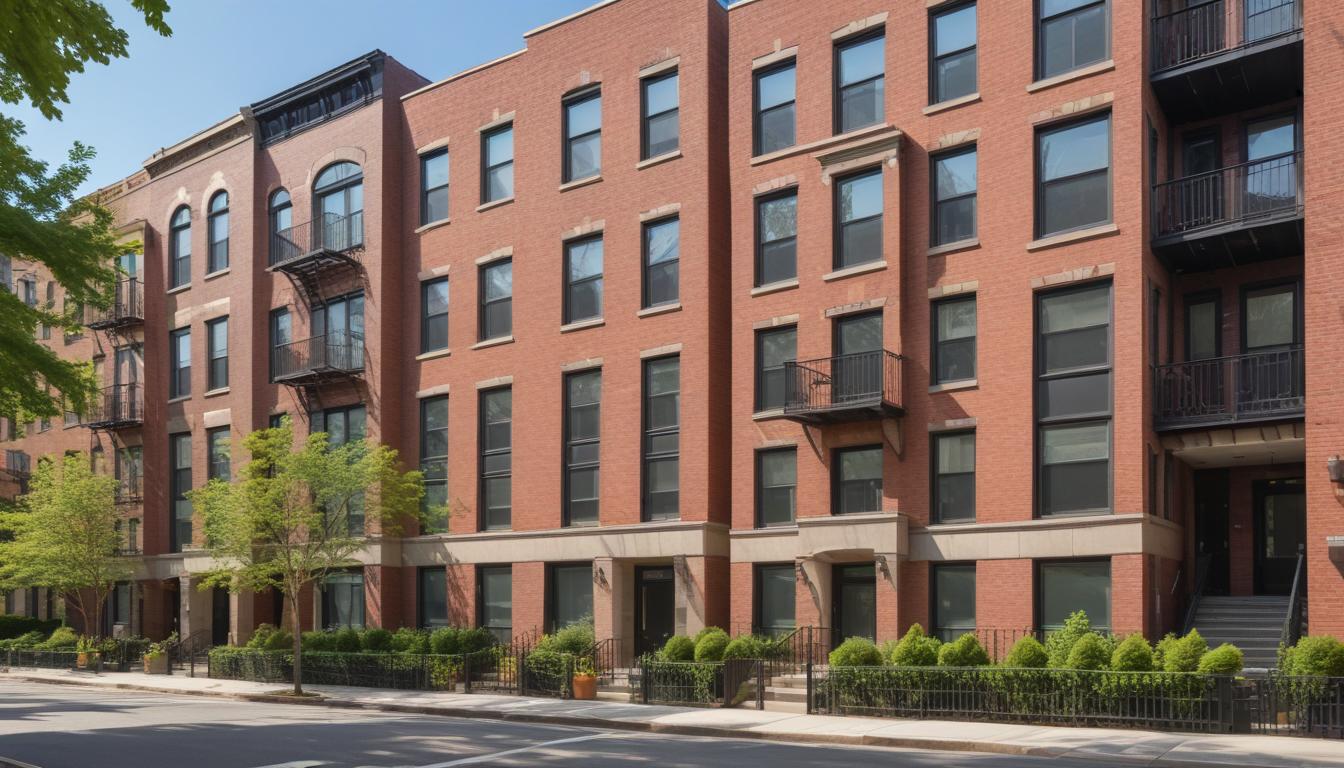
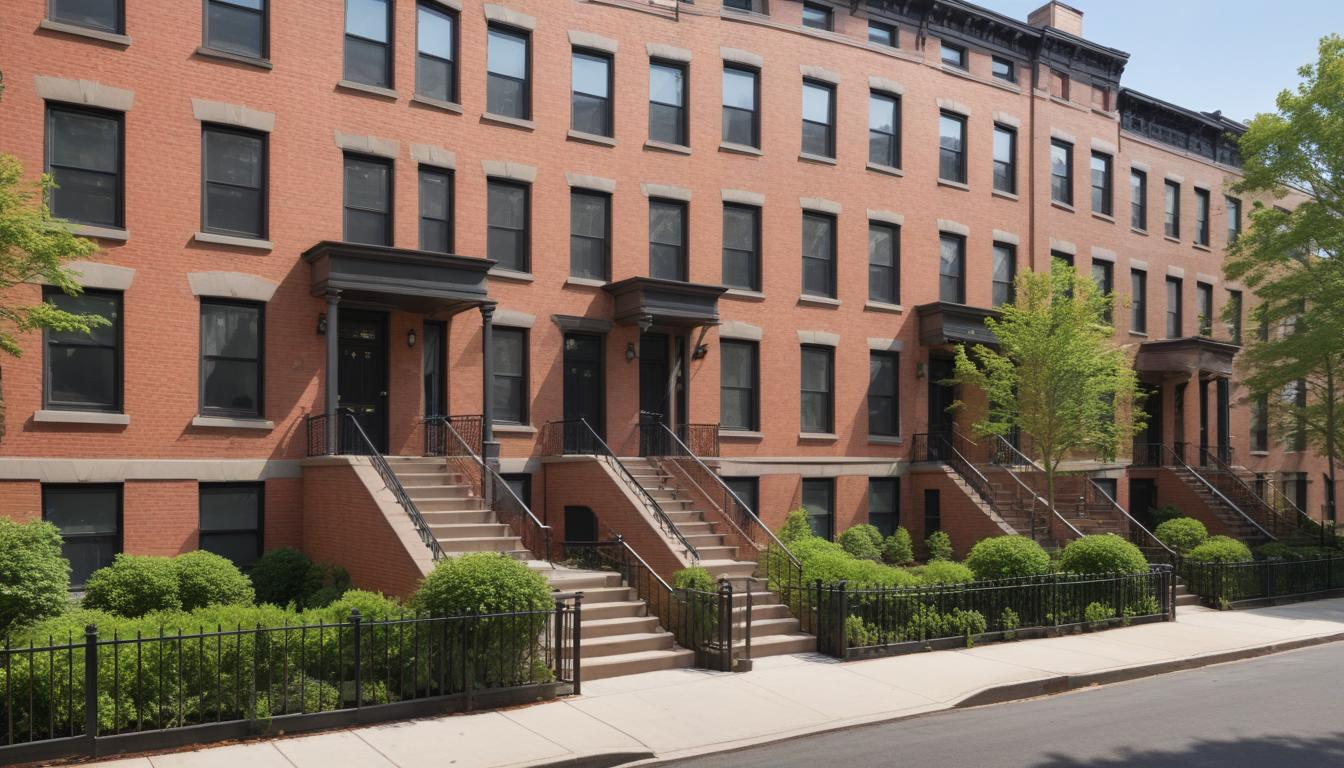
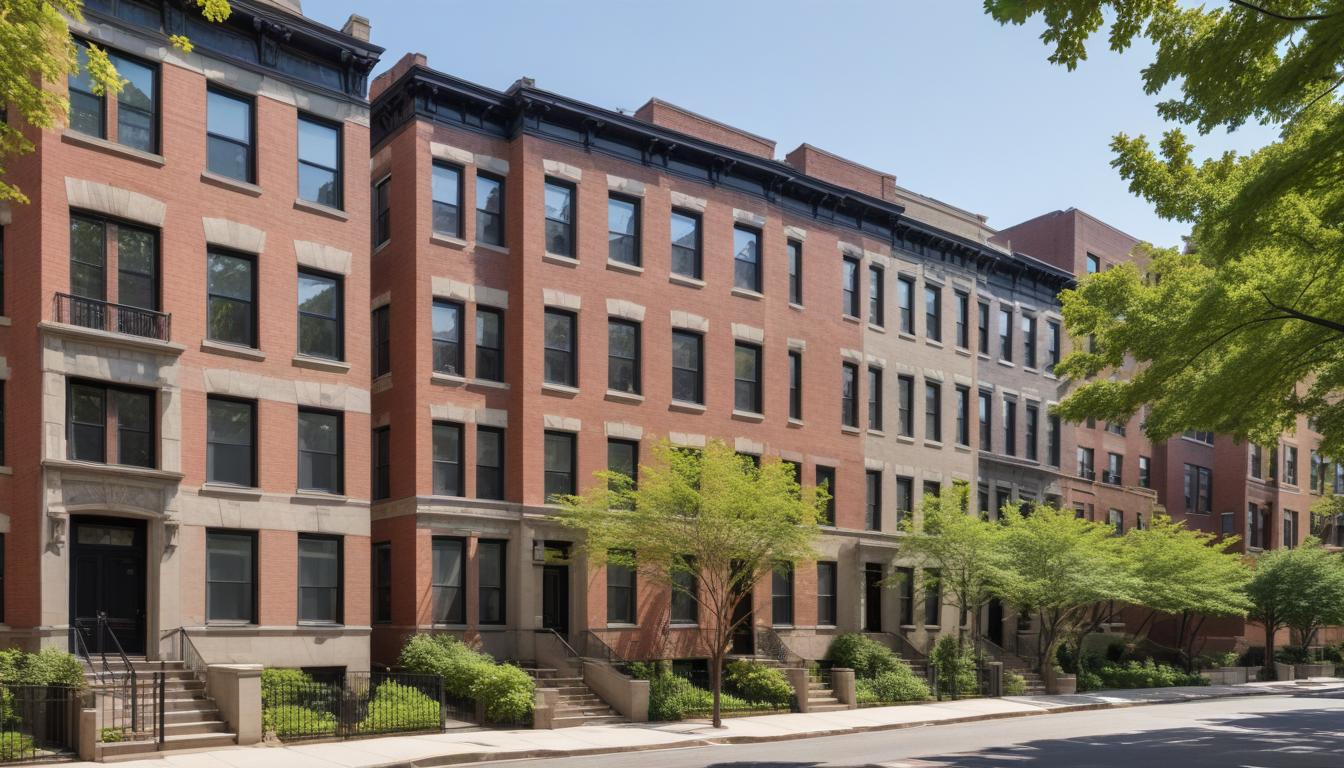
For years, first-time buyers priced out of Manhattan's $1.3 million co-op minimums had one choice: endure a schlep to outer boroughs or abandon homeownership entirely. Today, Astoria is rewriting that narrative. Queens' waterfront neighbourhood—anchored by the East River waterfront parks and just 15 minutes from Midtown by N/W train—has emerged as the rare pocket where modest down payments meet explosive neighbourhood momentum.
The numbers tell the story. While Brooklyn brownstones now regularly exceed $1.8 million and Manhattan studios top $600,000, Astoria's median home price hovers around $650,000—still steep, but increasingly accessible with New York State's enhanced Empire State Housing Credit and the city's recently expanded first-time buyer grant programs, which now cover up to $35,000 in down payment assistance for households earning under $120,000.
"We're seeing multiple offers on everything under $700,000," says the neighbourhood's trend of sustained competition, particularly along Ditmars Boulevard and near Astoria Park. The 60-acre park itself—with its Olympic-sized pool, tennis courts, and unobstructed Manhattan views—has become a genuine amenity draw, not merely a green space. Young professionals are choosing Astoria over Williamsburg not out of necessity, but preference.
The neighbourhood's infrastructure explains the shift. The Kaufman Astoria Studios, a 14-acre film and television production hub, has anchored cultural cachet. The Museum of the Moving Image sits steps away. Neighborhood restaurants along 30th Avenue—from Michelin-adjacent fine dining to established Greek tavernas—now compete with Brooklyn's trendiest blocks for critical attention and foot traffic.
For grant-eligible buyers, the equation works. A $650,000 property with 20% down ($130,000) becomes 15% down ($97,500) after a $35,000 grant. Combined with New York's property tax exemptions for first-time buyers and low current mortgage rates, monthly carrying costs remain manageable for dual-income households in the $100,000-$150,000 range—precisely the demographic now driving Astoria's sales velocity.
The caveat: this window won't last. Similar trajectories in Williamsburg and Park Slope showed how quickly affordability evaporates once momentum shifts. Astoria's median price has climbed 18% in two years. For first-time buyers serious about equity building in New York, the neighbourhood isn't just emerging—it's crystallising into the formula that defined Brooklyn a decade ago: transit access, neighbourhood identity, and prices still tethered to reality.
This article was compiled by AI from the sources linked above and screened before publishing. See our editorial standards.