Astoria's New Wave: How Development Projects Are Reshaping Queens' Most Affordable Neighborhood
Rising construction along the waterfront and near transit hubs promises fresh housing stock, but longtime residents worry about what comes next.
Rising construction along the waterfront and near transit hubs promises fresh housing stock, but longtime residents worry about what comes next.
Astoria's waterfront is transforming. Cranes dot the skyline above the East River, signaling the arrival of mixed-use developments that could reshape one of Queens' last genuinely affordable neighborhoods. The question now isn't whether change is coming—it's what that change will cost residents already priced out of Manhattan and watching their own borough shift beneath their feet.
The median home price in Queens has climbed steadily, with some neighborhoods now breaching $600,000. Yet Astoria has remained relatively stable, hovering around $480,000 for single-family homes, making it a magnet for first-time buyers and families. That stability is about to be tested.
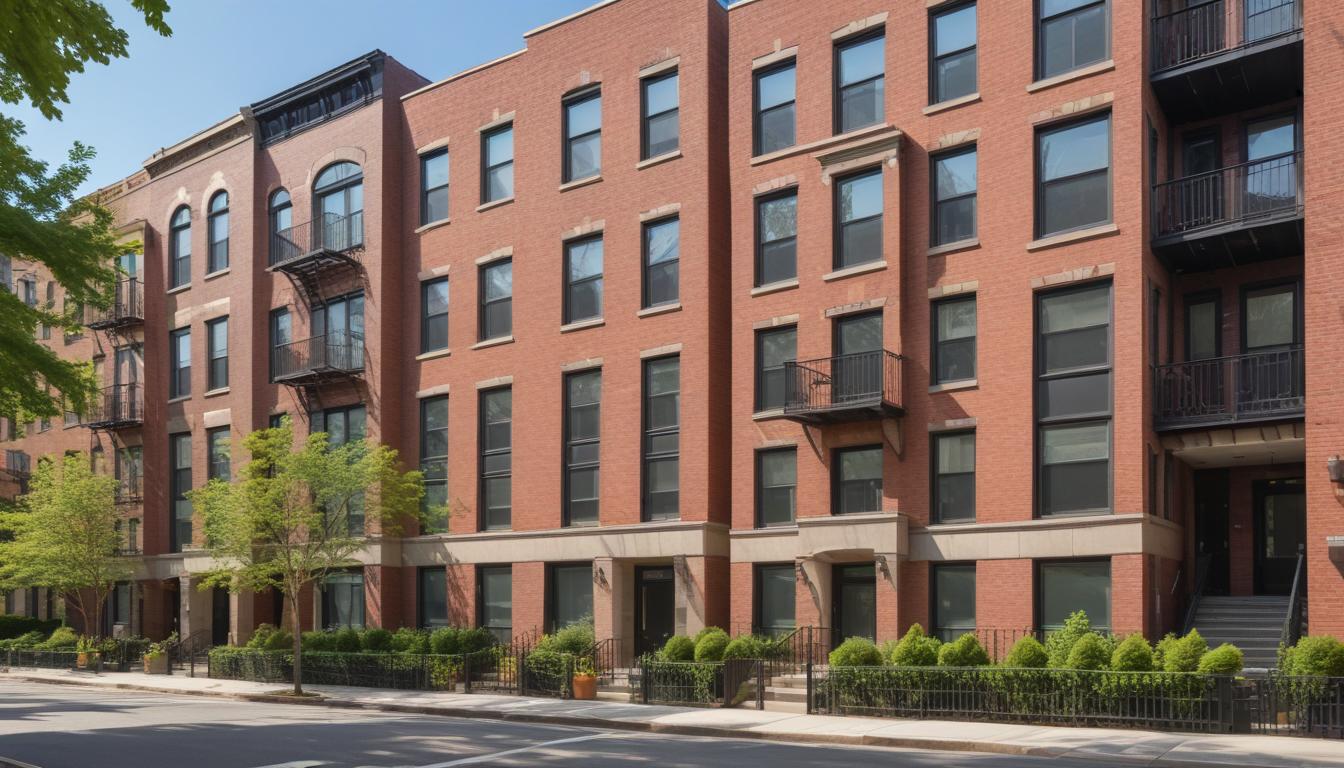
Three major projects are underway that will add nearly 800 new residential units to the neighborhood. Along Ditmars Boulevard and near the Astoria-Ditmars N and W subway station, developers are constructing mid-rise buildings featuring studios through three-bedroom units. While many are designated as market-rate, inclusionary zoning requirements mean roughly 20 percent will be reserved for households earning 60 to 80 percent of the area median income—currently between $46,000 and $61,000 for a family of four.
The appeal is obvious: these developments bring modern amenities to a neighborhood where many buildings predate World War II. Ground-floor retail is expected to activate streets that have suffered from vacant storefronts. Proximity to the N, W, and R lines promises easier commutes to Manhattan, where the median co-op and condo price hovers above $1.3 million.
But there's a catch. New construction inevitably draws attention—and money. Property tax assessments on surrounding buildings typically rise within three to five years of major development, a phenomenon already visible in Long Island City and Williamsburg. Landlords pass those costs to tenants, and the rent-stabilized units that once anchored working-class communities vanish into the market-rate pipeline.
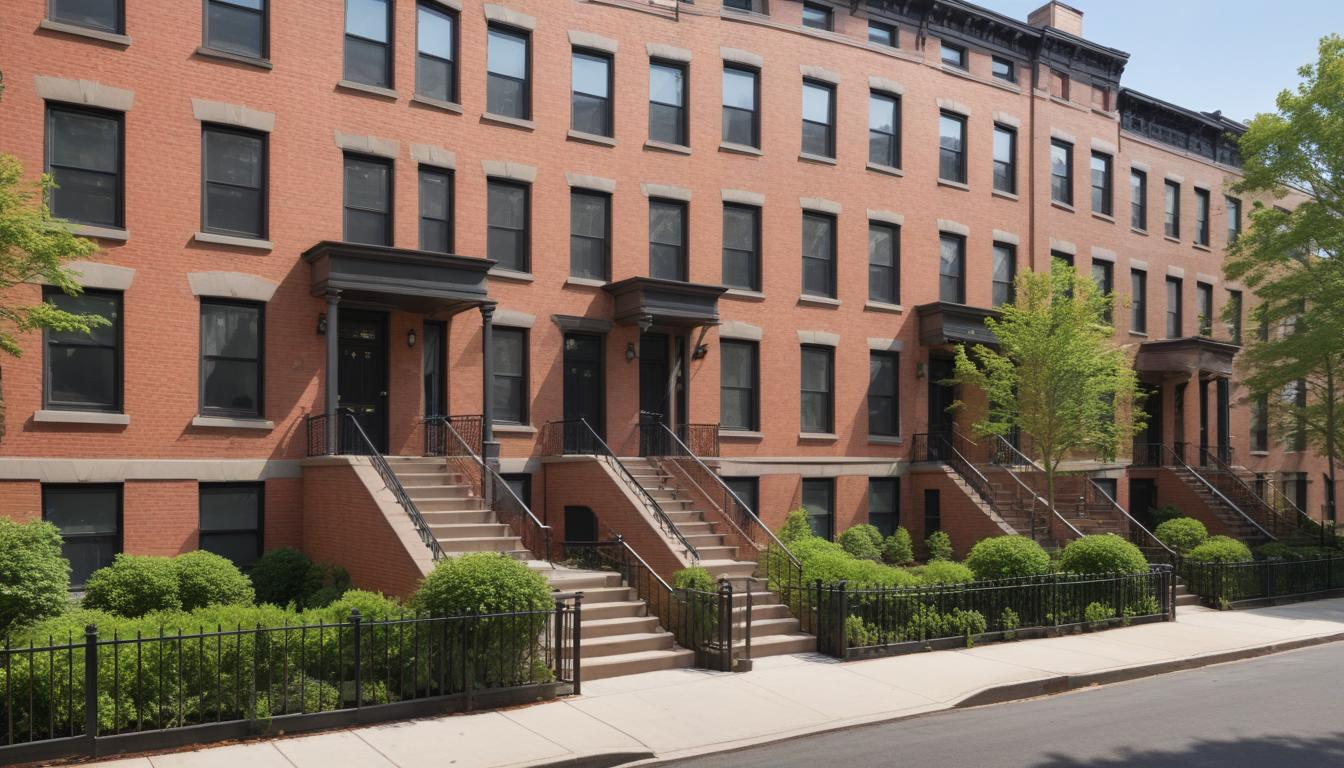
Astoria Community Board 1 has approved these projects with conditions: affordable unit preservation, community benefits agreements, and enhanced transit infrastructure. Yet even with those guardrails, the neighborhood's character is shifting. The real-estate speculators are already circling Orthodox Boulevard and 23rd Avenue, snapping up older walk-ups that suddenly look valuable to developers.
New housing is necessary. The city's affordability crisis demands supply. But Astoria's moment is a test case: Can New York build its way to affordability without erasing the neighborhoods that made it affordable in the first place? The next three years will tell us plenty.
This article was compiled by AI from the sources linked above and screened before publishing. See our editorial standards.
How does this story make you feel?
Spread the word
About this article
Published by The Daily New York
Daily brief
Free, in your inbox before 7am. Weekdays.
More in Property