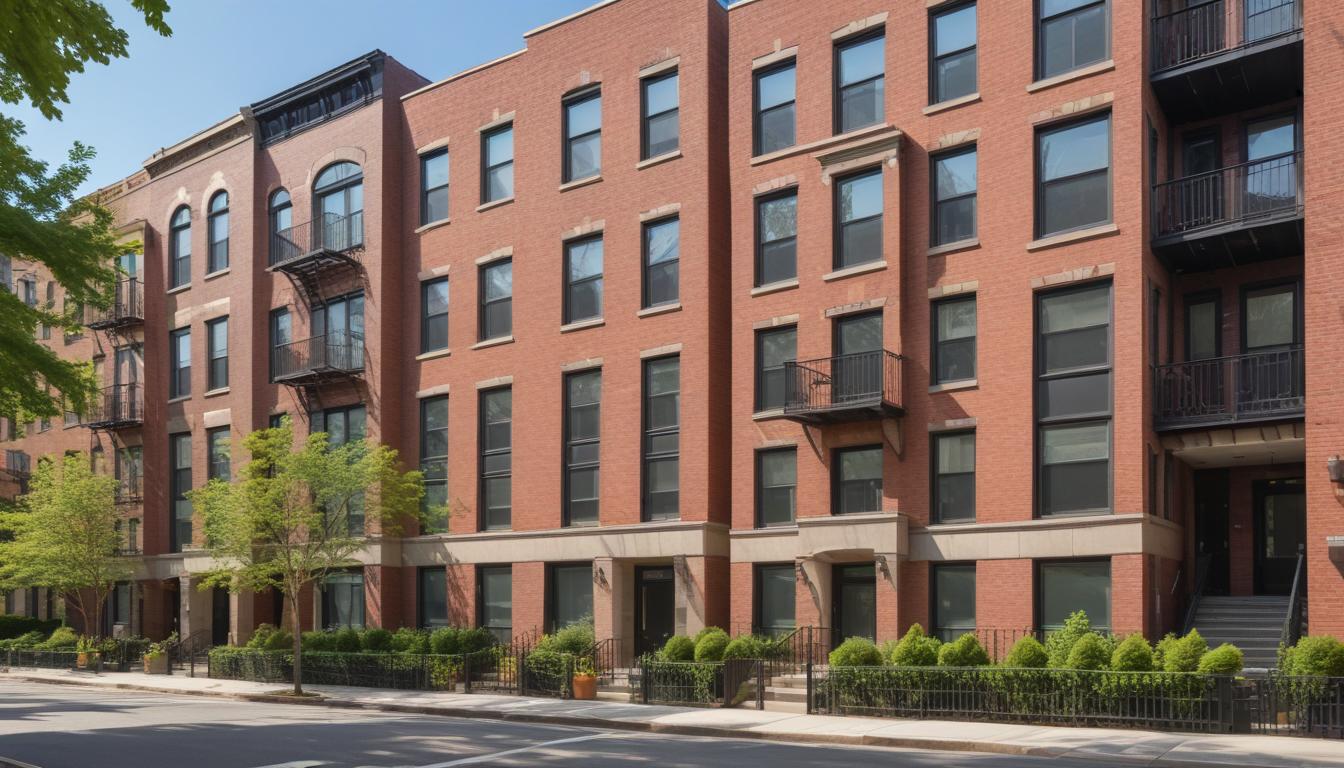
The math is brutal for first-time buyers in New York. Manhattan's median co-op or condo price sits above $1.3 million. But the city's most interesting opportunities aren't in Tribeca or the Upper West Side anymore—they're in the boroughs, where supply, zoning reform, and proximity to transit are rewriting the calculus.
Brooklyn's traditional strongholds—Williamsburg, Park Slope, Prospect Heights—have matured into sellers' markets. A modest two-bedroom in Williamsburg now regularly exceeds $950k. Savvy first-timers are looking past the Instagram checklist. Astoria, Queens, offers solid value: comparable units trade between $650k and $800k, with direct N/W subway access to Midtown. The Long Island City waterfront boom has cooled, but pockets around Queensboro Plaza remain genuinely attainable, with inventory still moving at $700k-$850k for quality stock.
Red Hook deserves reconsideration. Yes, it's isolated—the F train is a schlep—but that friction keeps prices realistic. Two-bedrooms hover around $750k, and the neighbourhood's creative economy, anchored by places like the Fairway Market and LGBTQ+-friendly dining scene on Van Brunt Street, is genuine, not speculative.
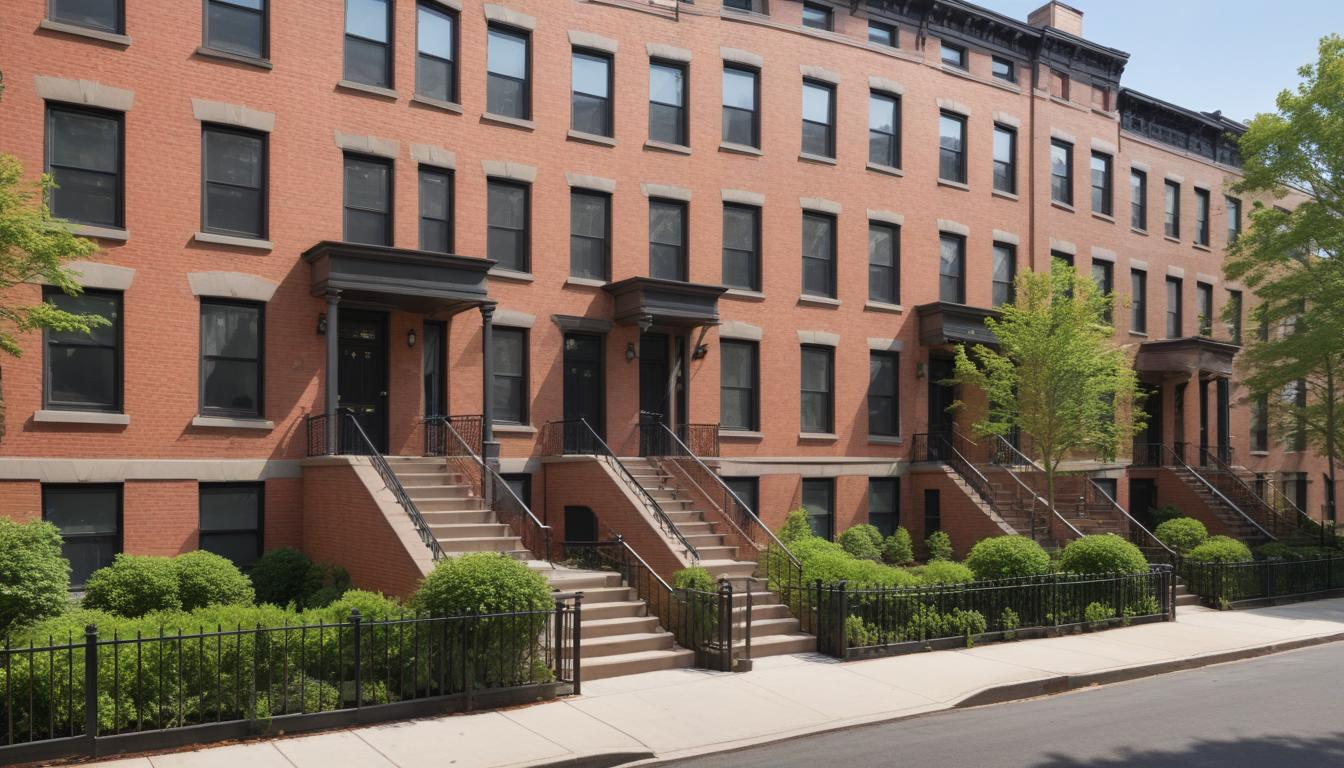
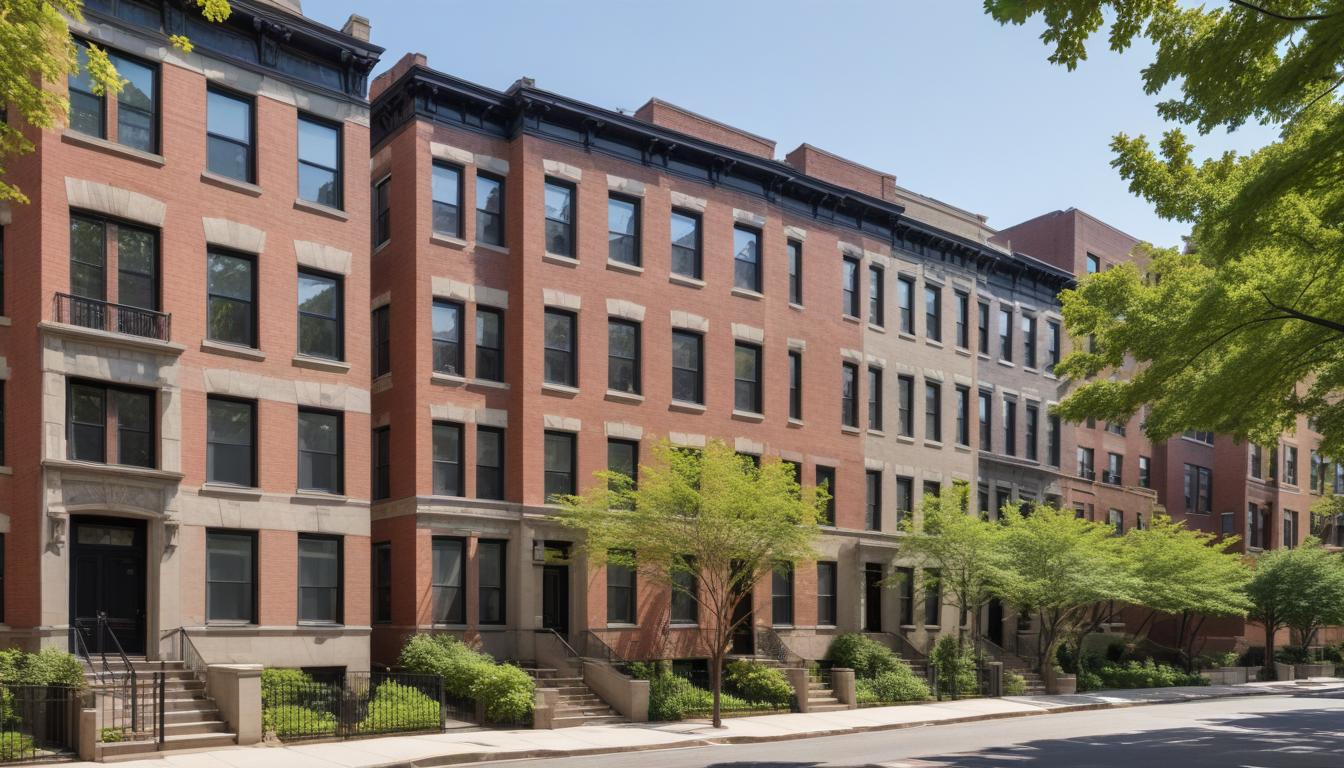
The Sunset Park-Greenwood corridor represents genuine optionality. Fifth Avenue between 15th and 25th Streets offers tree-lined brownstone blocks with direct R train access. Prices sit $150k-$200k below nearby Park Slope, and local infrastructure—the Prospect Expressway renovation, ongoing Prospect Park improvements—suggests steady appreciation without the froth.
First-timers should anchor decisions to three questions: transit first (can I reach my workplace consistently?), zoning second (will my building's footprint change?), and price third. New York's ADU zoning expansion signals a long-term shift toward density and affordability. Neighbourhoods that already permit accessory units—increasing in South Brooklyn and eastern Queens—may see genuine supply relief.
The 2026 market favours patience over panic. Rates remain elevated, but inventory is genuinely available. Work with local agents who understand specific blocks, not borough-wide generalists. Visit on weekdays, not weekend open houses. Talk to actual residents, not just brokers.
The $800k median is a mirage. Your real entry point depends on which neighbourhood's story aligns with your life, not the one Instagram has already monetised.
This article was compiled by AI from the sources linked above and screened before publishing. See our editorial standards.