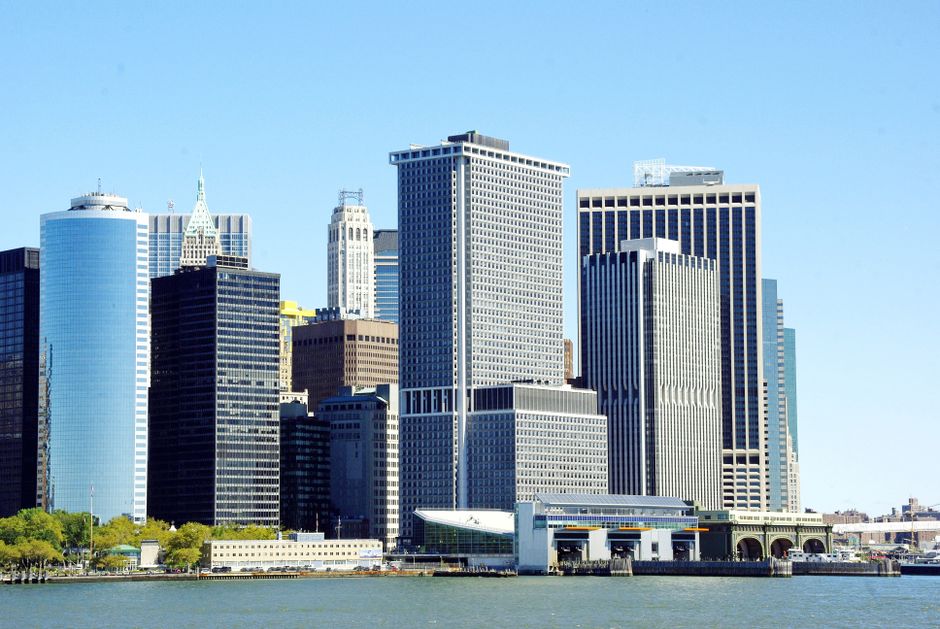
Long Island City has long operated in Manhattan's shadow, but the neighbourhood's development pipeline suggests that calculus is shifting dramatically. Three substantial mixed-use projects launching construction this summer—totalling over 2,500 residential units and 400,000 square feet of commercial space—are prompting savvy investors to recalibrate their Queens strategy.
The most visible catalyst is the completion of infrastructure around Queensboro Plaza and the expansion of office clusters along Court Square. Average asking rents in the neighbourhood have climbed 18 percent year-over-year to $3,200 for a one-bedroom, outpacing Brooklyn's comparable growth rate. Purchase prices for existing studios and one-bedrooms now hover around $425,000 to $520,000—a significant jump from the $380,000 median just two years ago.
"What we're seeing is institutional confidence meeting retail investor appetite," explains the neighbourhood's changing calculus. Hudson Yards' overflow effect and transit connectivity via the E, M, and G trains have made Long Island City increasingly attractive to young professionals priced out of Williamsburg and Park Slope. The neighbourhood's designation as a Cultural Corridor, with allocations to organisations like MoMA PS1 and The Noguchi Museum, has also elevated its cultural cachet beyond pure residential appeal.
The commercial component matters significantly. Google's continued expansion in the area—with office leases now totalling over 1.5 million square feet—has anchored the neighbourhood's economic narrative. Ground-floor retail activations along Jackson Avenue and Hunters Point Avenue are following suit, with storefronts commanding $75 to $125 per square foot, nearly double rates from five years ago.
However, opportunity comes with trade-offs. Long-time residents and smaller creative tenants have already begun displacement patterns familiar throughout gentrifying NYC neighbourhoods. Affordable housing mandates attached to the new developments—typically 25 to 30 percent of units—offer modest mitigation, but these averaged rents sit around $2,400 for two-bedrooms, still prohibitive for many existing residents.
For investors evaluating Long Island City against established alternatives, the calculus hinges on horizon. Short-term flips face headwinds from a softening condo market and higher carrying costs. But medium-to-long-term holders betting on sustained corporate spillover, transit-oriented growth, and cultural amenity buildout see genuine upside. The neighbourhood's current median price point—roughly $180,000 below Manhattan's average—combined with accelerating fundamentals, positions it as a serious contender in the regional investment conversation for the next investment cycle.
This article was compiled by AI from the sources linked above and screened before publishing. See our editorial standards.