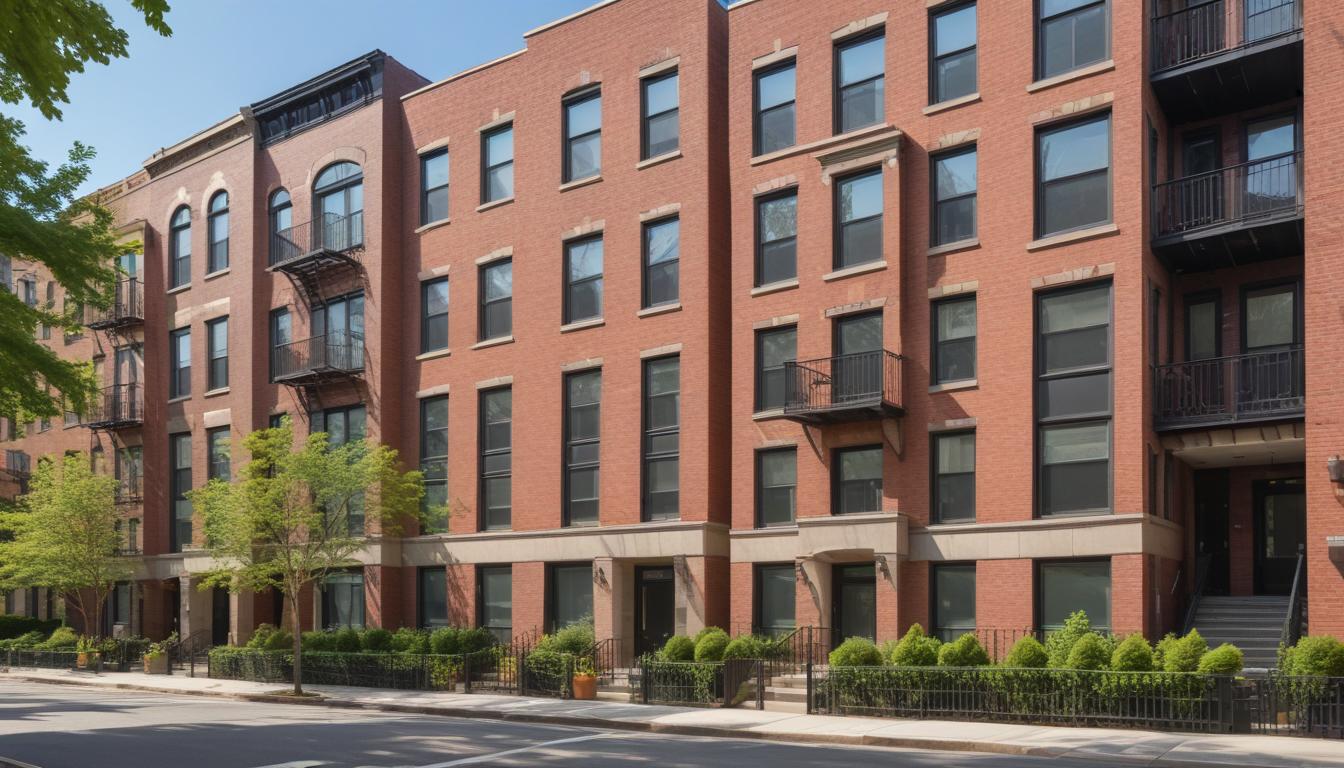
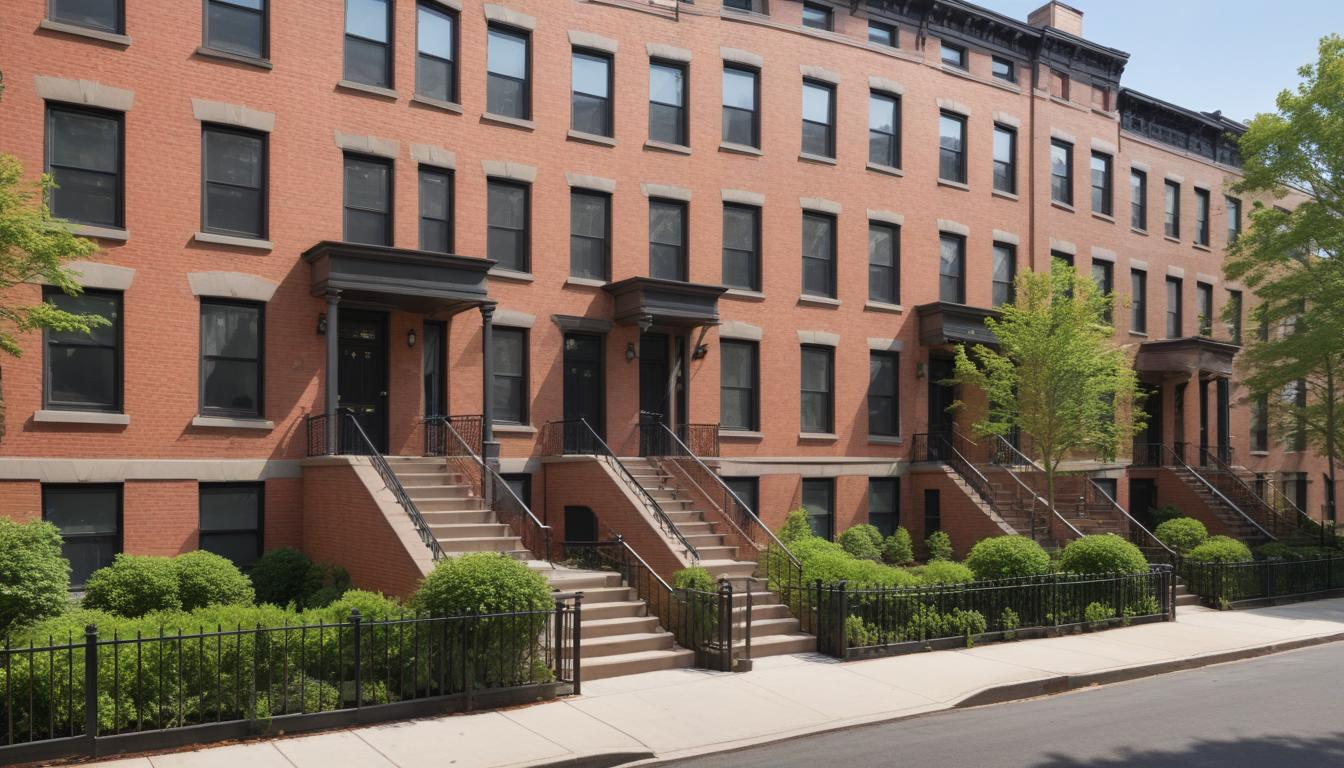
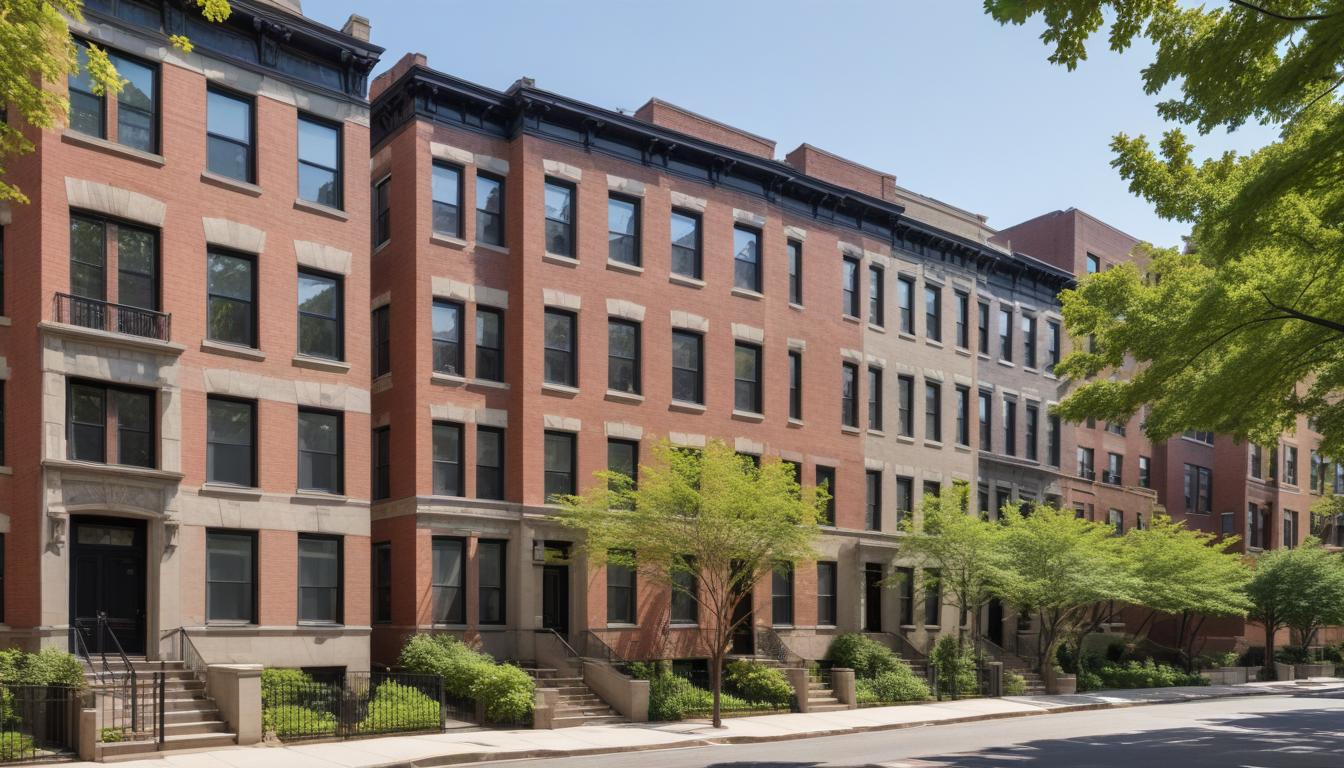
While headline-grabbing developments dominate Manhattan's luxury market, savvy investors are quietly banking returns in Astoria, where the numbers tell a different story entirely. Recent data from commercial real estate trackers shows the Queens neighbourhood posting rental growth of 8.1% year-on-year, substantially outpacing the city-wide average of 5.3%, and creating what analysts describe as the most consistent yield opportunity in the outer boroughs.
The math is straightforward. A typical two-bedroom walkup near Ditmars Boulevard—once dismissed as overlooked—now commands $3,200 monthly rent, compared to $2,960 twelve months ago. For an investor purchasing at the neighbourhood's current median of $685,000, that translates to a gross yield of 5.6%, before expenses. Factor in a disciplined operator managing maintenance and vacancy strategically, and net yields hover around 4.2% to 4.5%, according to recent portfolio analysis from institutional landlords active in the area.
What distinguishes Astoria from the speculative frenzy elsewhere is tenant stability. The neighbourhood's dense concentration of hospitality workers, young families, and service professionals creates reliable, consistent demand. Schools like PS 122 and the growing pull of the Kaufman Arts Campus anchor long-term residential stability. Unlike Manhattan co-ops—where the median exceeds $1.3 million and requires board approval—Astoria's rental-heavy inventory offers liquidity and simplicity.
The infrastructure narrative matters too. The N and W lines funnel commuters directly to Midtown. The Astoria Park waterfront has become an active destination, not merely a backdrop. New restaurant clusters around 30th Avenue and recent cultural programming at The Chocolate Factory have shifted neighbourhood perception without triggering the overshooting seen in Williamsburg or Long Island City.
Of course, the market isn't without friction. Interest rate environment remains tighter than 2021 levels, and new zoning for accessory dwelling units across Queens will eventually increase supply. Property tax assessments have crept upward, and building code compliance costs remain unpredictable. Yet for investors prioritising yield over appreciation upside, Astoria's combination of demographic strength, rental momentum, and reasonable entry pricing creates an asymmetric bet.
The broader lesson: while empty land near the waterfront fetches spectacular prices and Brooklyn's hottest blocks command premium multiples, consistent returns often hide in plain sight. Astoria isn't sexy. It's just working.
This article was compiled by AI from the sources linked above and screened before publishing. See our editorial standards.