First-Time Landlords: Your Guide to Investment Property Yields in Today's New York Market
With median home prices hovering near $800k citywide, savvy buyers are learning to spot rental yields—and avoid costly mistakes—before they sign.
With median home prices hovering near $800k citywide, savvy buyers are learning to spot rental yields—and avoid costly mistakes—before they sign.
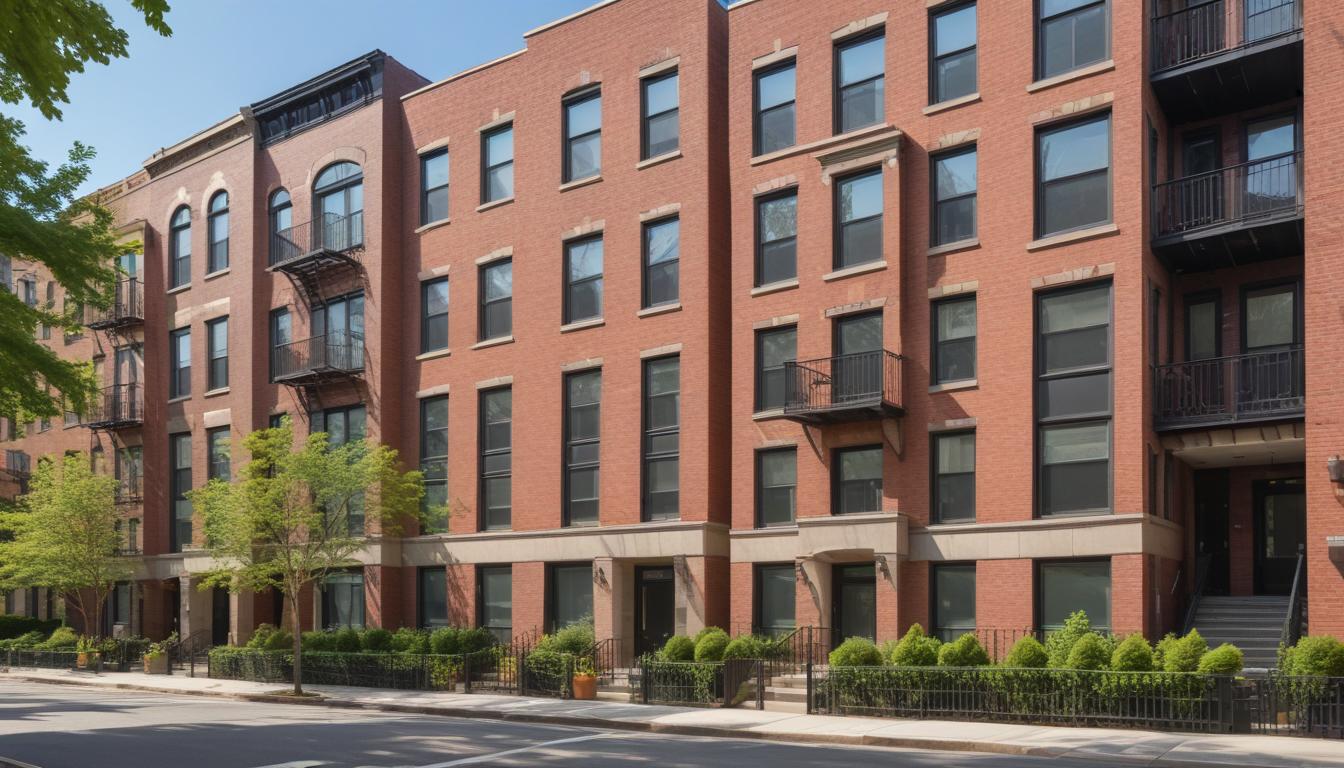
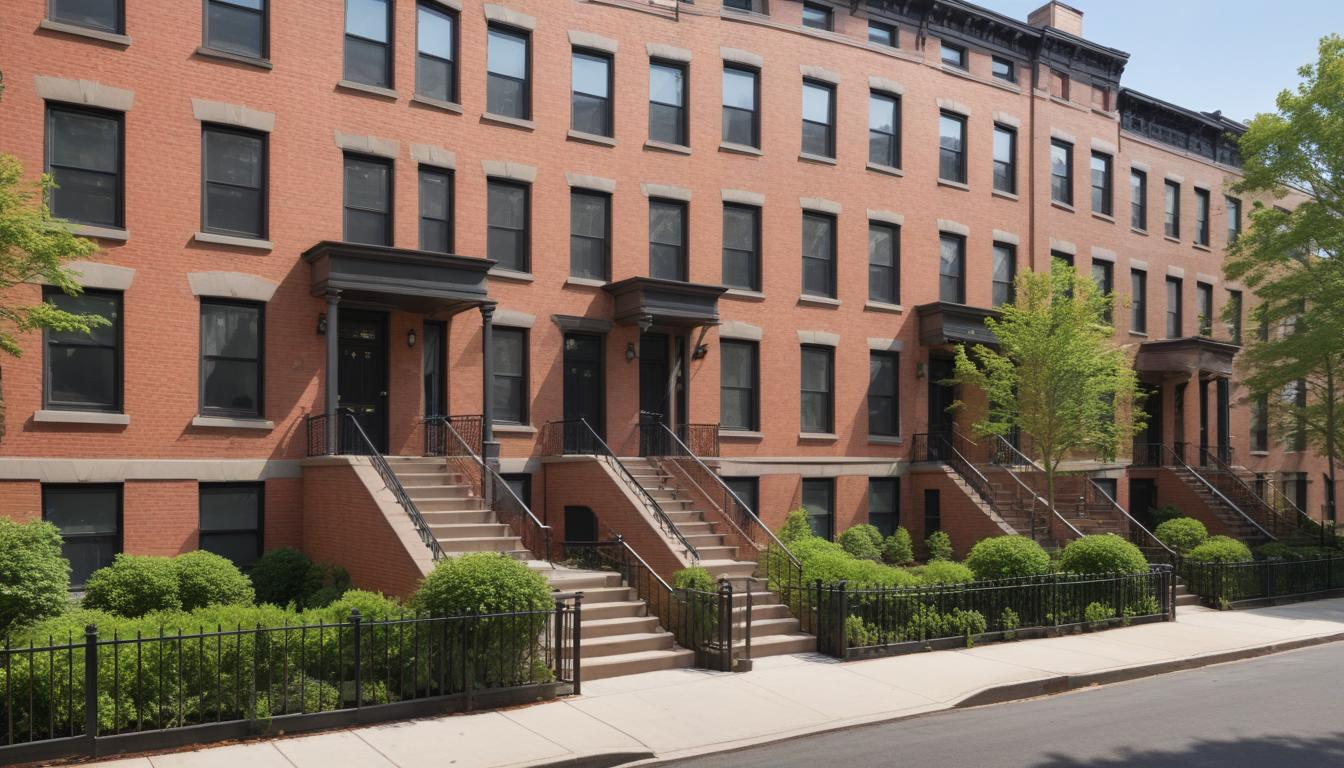
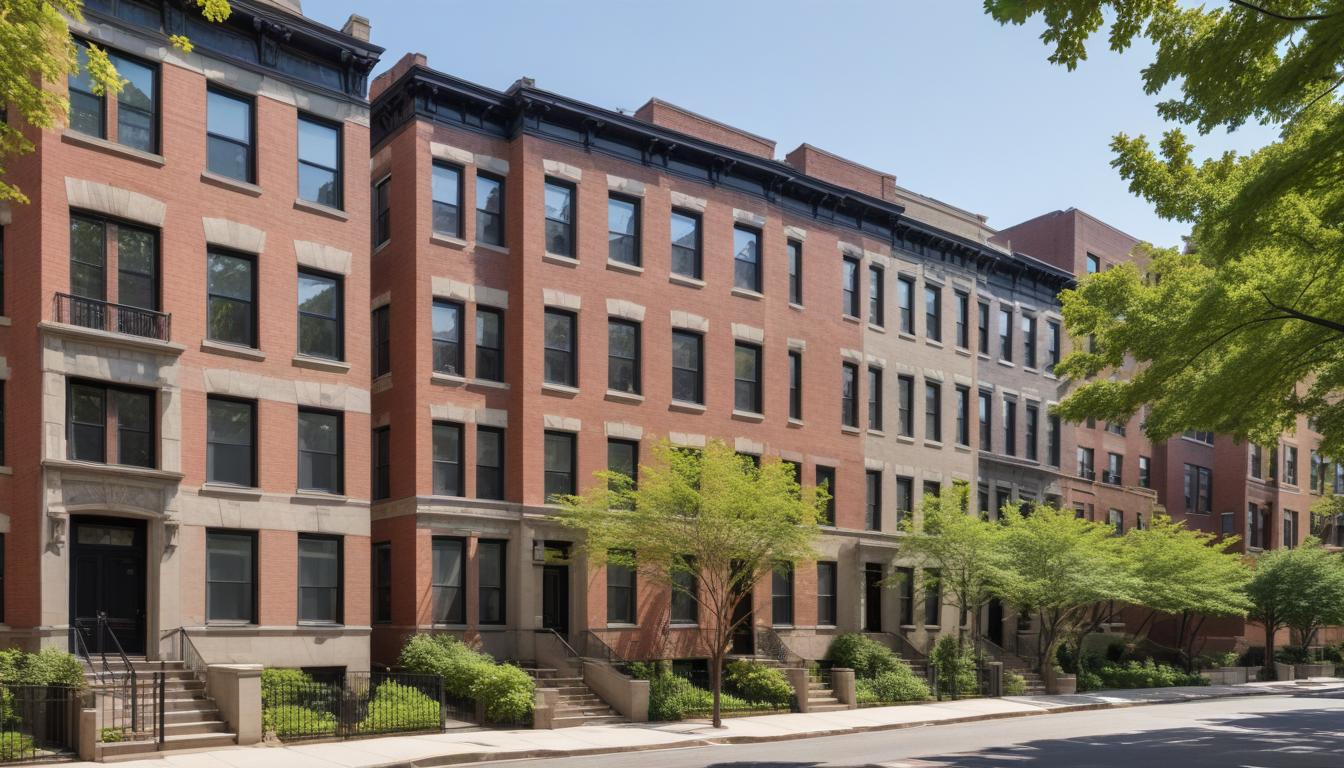
The New York investment property market has shifted. Where once a brownstone in Williamsburg or a studio in Long Island City promised easy returns, today's first-time landlords face tighter margins, stricter regulations, and fiercer competition. But opportunity remains for those who understand the numbers.
Start with realistic yield expectations. A property yielding 3–4 percent annually—rental income divided by purchase price—is considered healthy in Manhattan and desirable Brooklyn neighborhoods. Compare this to the citywide median home price of $800,000: a modest two-bedroom in Astoria or Forest Hills might rent for $2,500–$3,000 monthly, translating to roughly 4–4.5 percent gross yield. Downtown Brooklyn and Park Slope command higher purchase prices but similar rental rates, squeezing margins further.
Location determines everything. Properties within walking distance of the N, R, or Q lines in Astoria, or near Prospect Park in Crown Heights, attract reliable tenants and command premium rents. Conversely, neighborhoods farther from transit—even in Queens—often offer better yield potential, though vacancy risk increases. Research your neighborhood's rent-to-price ratio before committing.
Factor in New York's landlord realities. The state's rent stabilization laws cap increases at 3 percent annually for many properties. Property taxes in outer boroughs run 0.8–1.2 percent of assessed value. Building maintenance, especially in older brownstones along tree-lined Prospect Heights or Bed-Stuy streets, can consume 25–35 percent of rental income. First-timers often underestimate these costs.
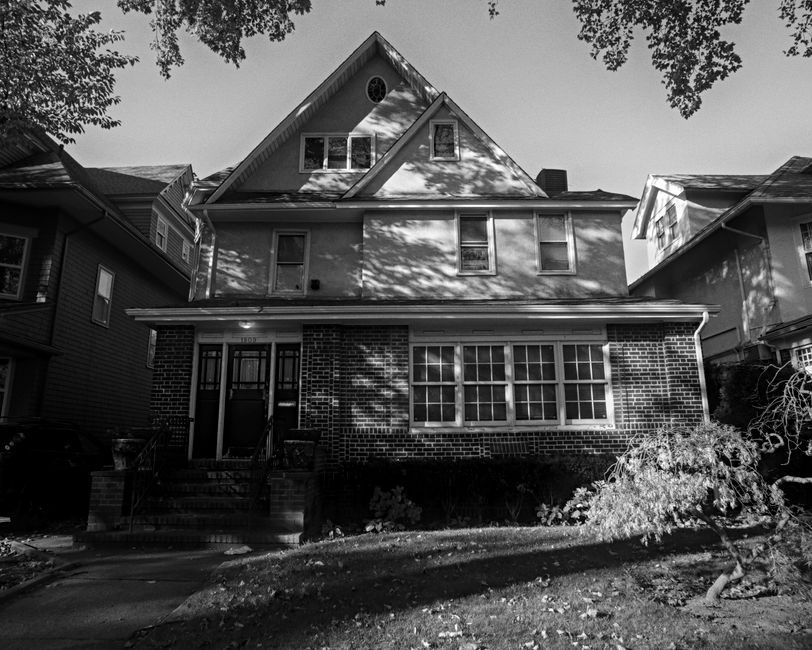
Consider emerging zones. The city's expanded ADU (accessory dwelling unit) zoning in outer-borough neighborhoods like Bayside and Forest Hills opens new rental strategies for single-family homes. A legal basement unit can boost yield from 3.5 to 5+ percent, though compliance with Department of Buildings regulations is non-negotiable.
Before purchasing, consult resources like the Rent Guidelines Board website for future increase projections, and review recent comparable sales on LoopNet or Zillow. Many first-timers benefit from speaking with a property manager—fees typically run 8–10 percent of rent but clarify true operating costs upfront.
The days of passive investment in New York real estate are largely gone. Today's landlords are active managers, understanding their neighborhood's vacancy trends, tenant demographics, and regulatory environment. Master these fundamentals, and a $600,000 purchase in Queens or a $1.2 million condo in Sunset Park becomes a viable wealth-building tool rather than a speculative gamble.
This article was compiled by AI from the sources linked above and screened before publishing. See our editorial standards.
How does this story make you feel?
Spread the word
About this article
Published by The Daily New York
Daily brief
Free, in your inbox before 7am. Weekdays.
More in Property