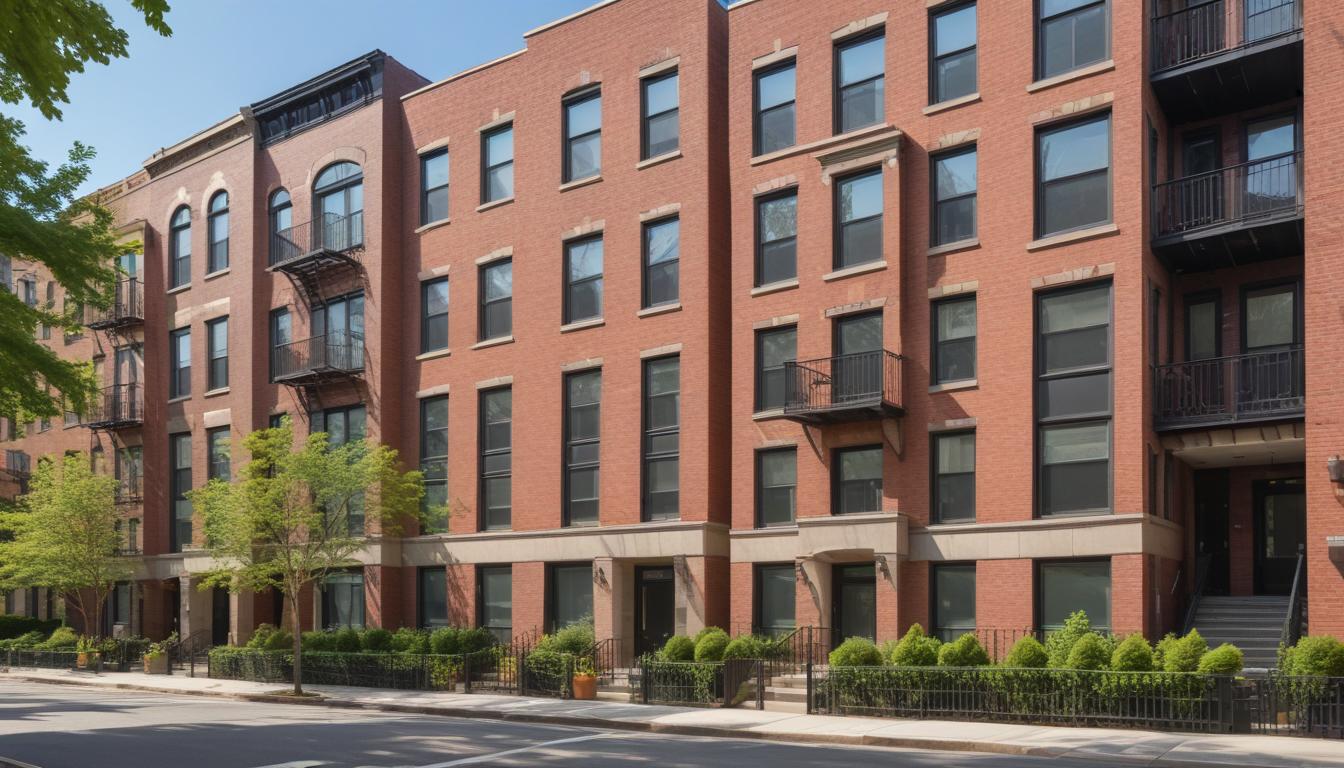
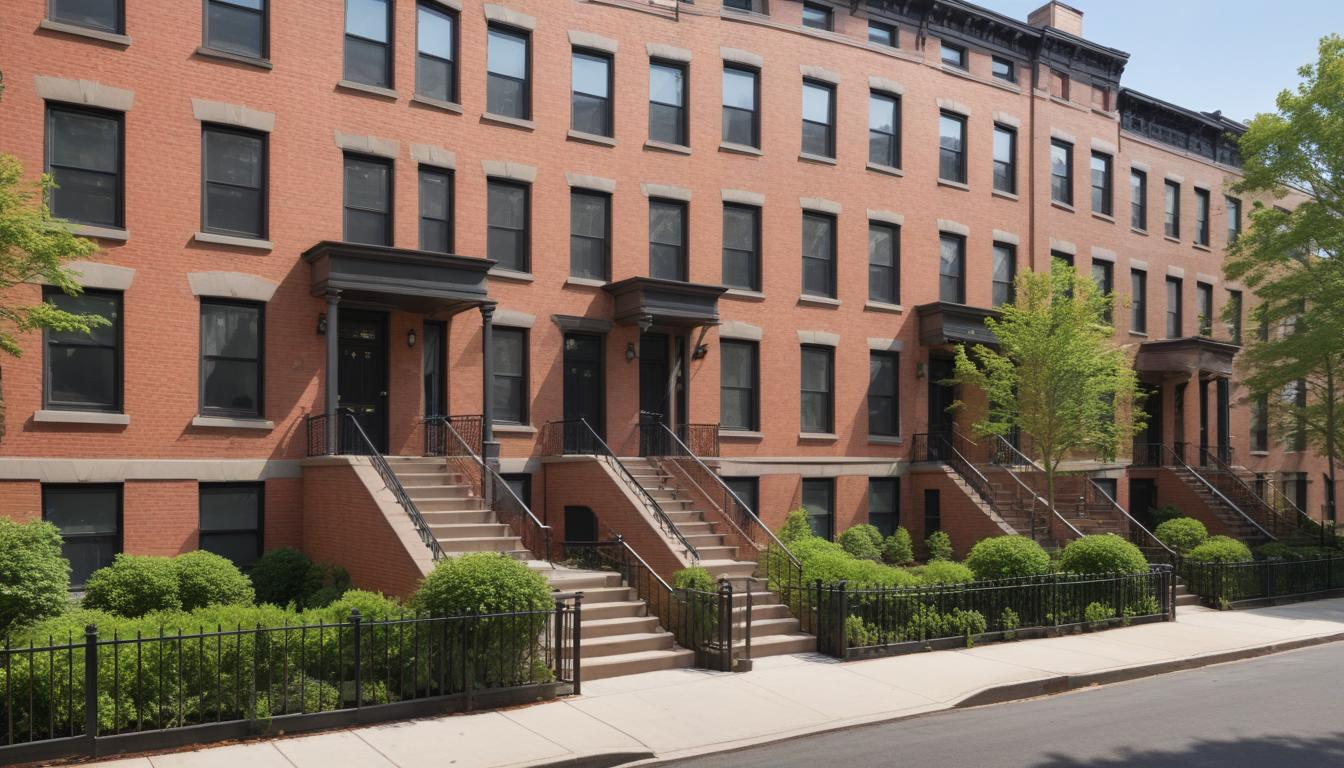
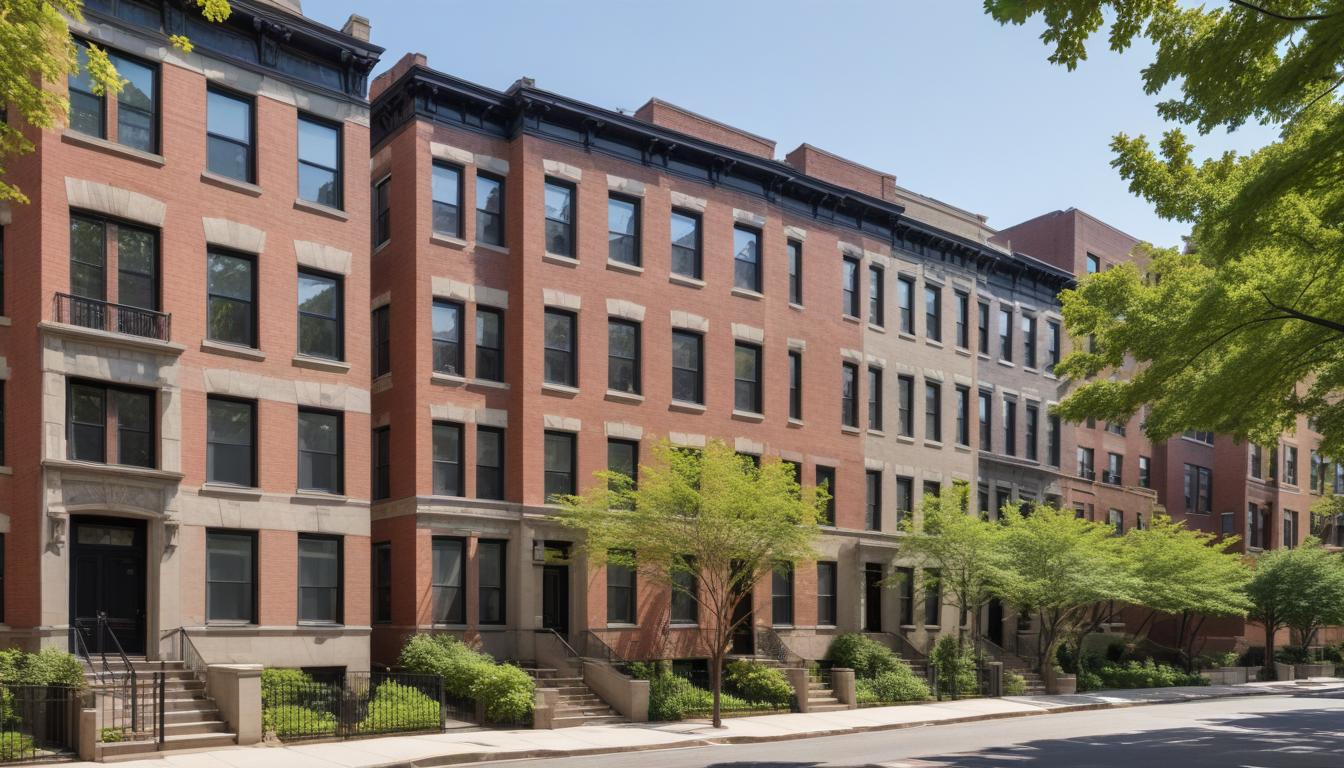
The penthouses along Central Park South command eight-figure price tags, yet their owners increasingly find themselves competing for tenants rather than vice versa. Manhattan's luxury rental market, long defined by scarcity and seller swagger, has shifted fundamentally over the past eighteen months—and the ripple effects are reshaping how the city's wealthiest residents navigate housing.
Real estate insiders report that trophy inventory in the $10,000-plus-per-month segment has swelled by nearly 40 percent since early 2025, according to data circulating among major Manhattan brokerages. Upper East Side pre-war cooperatives that once commanded premium rents now sit vacant for months. Similarly, new construction in Hudson Yards and Tribeca—marketed as the height of luxury—is experiencing longer absorption periods than developers anticipated.
For affluent renters, the shift is transformative. A decade ago, securing a three-bedroom on the Upper West Side near the American Museum of Natural History meant competing with dozens of qualified applicants and accepting unfavorable lease terms. Today, that same tenant can negotiate furnished options, landlord-paid utilities, or flexible lease lengths—concessions virtually unheard of in Manhattan's luxury segment.
"We're seeing tenants who previously accepted standard terms now asking for custom buildouts and extended trial periods," explains one broker specializing in high-net-worth relocations across the Metropolitan Museum district. The power dynamic has reversed so completely that some landlords are offering three months free rent or covering legal fees—tactics borrowed from the struggling middle-market.
Yet landlords face genuine pressure. Property owners carrying mortgages or maintenance obligations on trophy addresses in SoHo, the West Village, or Brooklyn Heights cannot afford extended vacancies. Some have pivoted to corporate housing arrangements with international consulting firms or executive relocation companies, trading rental flexibility for guaranteed income. Others are reconsidering conversion to permanent sales—a trend that could further tighten ownership-level inventory.
The market stratification is widening. Ultra-luxury buildings with institutional backing or strong corporate tenant pipelines remain resilient, while independent landlords managing single properties or smaller portfolios are absorbing losses. Meanwhile, New York's broader rental market remains fundamentally constrained, keeping median rents above $3,600 citywide despite luxury softness.
As summer rental season progresses, observers anticipate further concessions in the $8,000-$15,000 monthly range. For Manhattan's wealthiest residents accustomed to seller's advantage, the experience is novel—and instructive about market cycles in a city where even trophy assets can suddenly face unexpected headwinds.
This article was compiled by AI from the sources linked above and screened before publishing. See our editorial standards.