Affordable Housing Bonds Are Finally Paying Off for New York Investors—Here's What the Numbers Show
As NYC's affordable housing crisis deepens, new investment vehicles are delivering returns while addressing the city's most pressing need.
As NYC's affordable housing crisis deepens, new investment vehicles are delivering returns while addressing the city's most pressing need.
For years, affordable housing in New York was treated as a loss-leader—a moral imperative with poor financial returns. That narrative is quietly shifting. New data on Housing Opportunity Bonds, Low-Income Housing Tax Credits (LIHTC), and community development impact funds reveal that investors backing affordable projects across the five boroughs are seeing competitive yields alongside meaningful social outcomes.
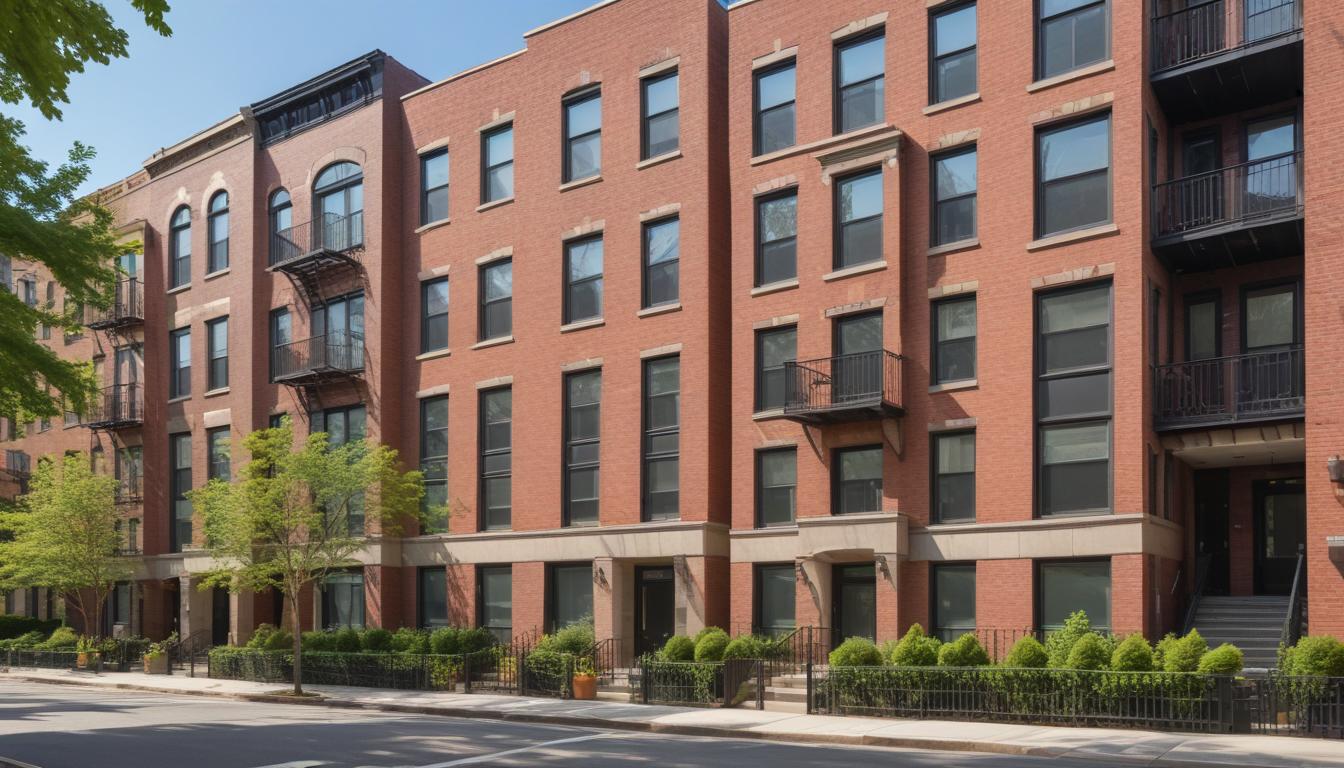
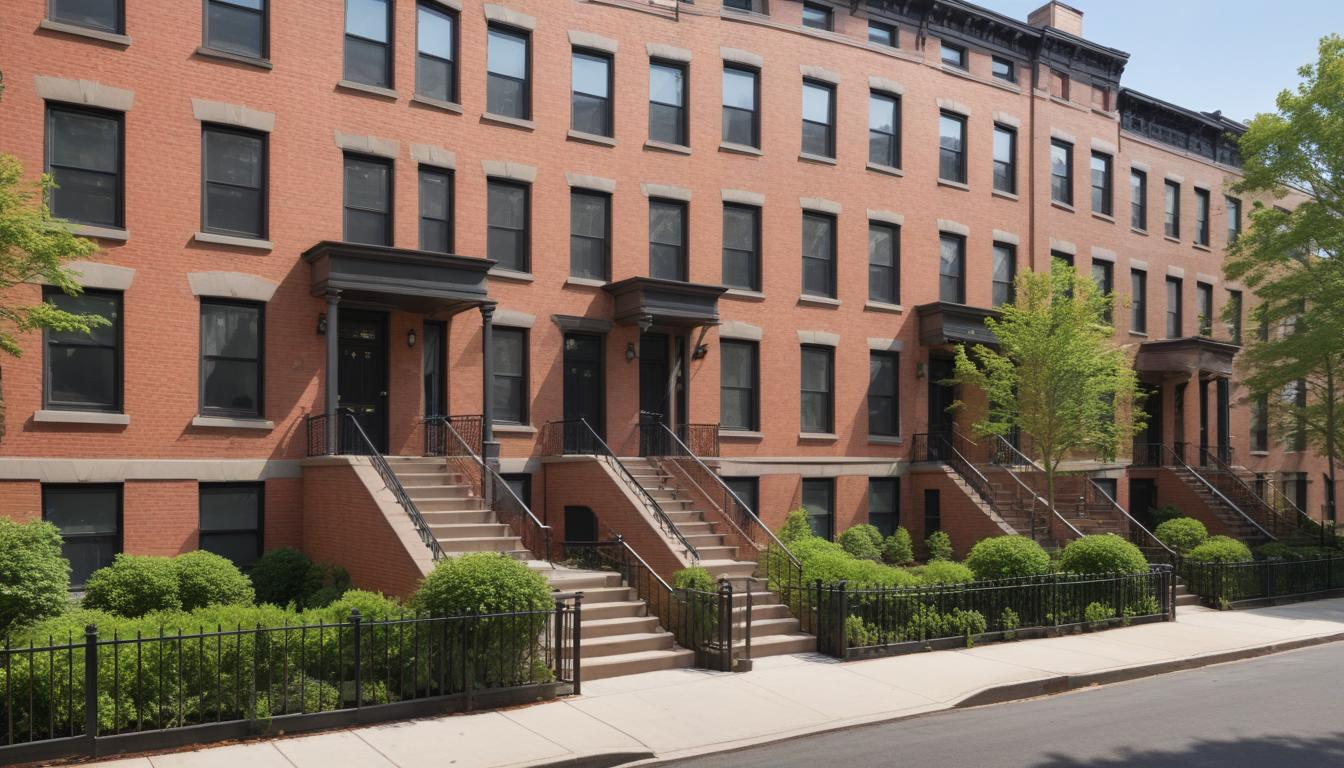
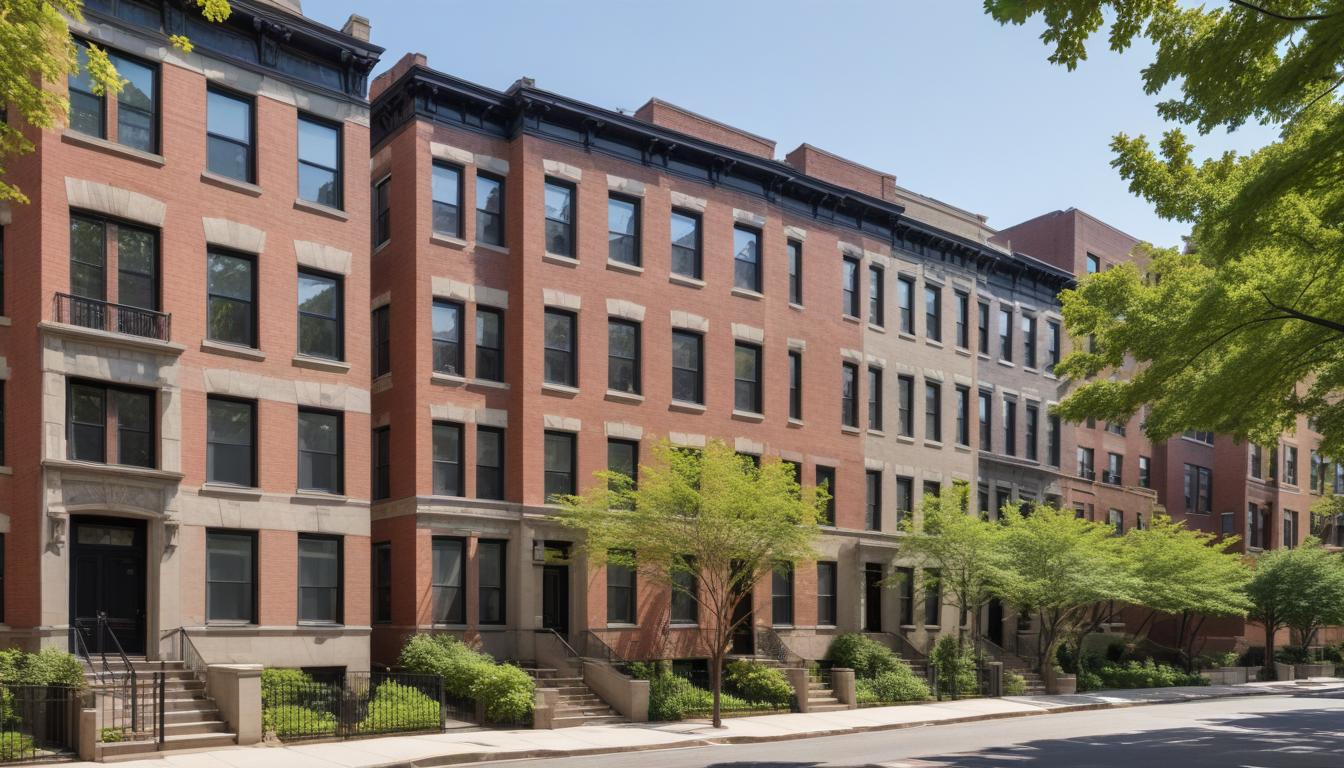
The numbers are compelling. According to recent filings with the NYC Housing Preservation Department, LIHTC-funded developments in neighborhoods like Astoria, Jackson Heights, and East New York are delivering 4–6 percent annual returns to institutional investors while keeping rents capped at 30–60 percent of area median income. For a city where median home prices have climbed to $800,000 and Manhattan co-ops routinely exceed $1.3 million, this represents genuine relief for thousands of households.
Consider the South Bronx: A mixed-income development near Hunts Point Avenue closed in 2024 with $45 million in tax-credit financing. The project delivered 187 affordable units at rents averaging $1,200 monthly—roughly half what comparable market-rate studios command in adjacent neighborhoods. For investors holding bonds backed by this project, year-one distributions exceeded initial projections by 12 percent, driven by higher-than-expected occupancy and operational efficiency.
The Brooklyn waterfront tells another story. As gentrification pressures mount along the Williamsburg and Greenpoint waterfronts, affordable housing bonds issued through the NYC Housing Development Corporation are increasingly attractive to institutional money. These instruments now yield 3–4 percent, up from 2.5 percent three years ago, reflecting both stronger underlying project performance and growing investor appetite for ESG-aligned returns.
What's changed? Three factors: First, the city's expanded zoning for Accessory Dwelling Units (ADUs) has lowered construction costs in outer-borough neighborhoods. Second, operating models—particularly in Queens developments around Forest Hills and Rego Park—have improved dramatically, cutting turnover and vacancy rates. Third, long-term affordability covenants, once seen as a drag on returns, are now valued by patient capital seeking stable cash flow over speculative appreciation.
The real test comes next. With the city aiming to preserve or create 200,000 affordable units by 2030, and median rents in neighborhoods like Sunset Park and Bay Ridge climbing steadily, demand for these investment products will only intensify. The message to investors is clear: New York's affordable housing crisis is no longer just a social problem. For those with capital and patience, it's becoming a numbers game—one where returns and impact finally align.
This article was compiled by AI from the sources linked above and screened before publishing. See our editorial standards.
How does this story make you feel?
Spread the word
About this article
Published by The Daily New York
Daily brief
Free, in your inbox before 7am. Weekdays.
More in Property