Rental Property Investment NYC: First-Time Landlord Guide
Learn how first-time landlords in NYC can achieve 3-4% cap rates. Discover which Queens and Brooklyn neighborhoods offer the best rental investment returns.
Learn how first-time landlords in NYC can achieve 3-4% cap rates. Discover which Queens and Brooklyn neighborhoods offer the best rental investment returns.

The New York property market is sending mixed signals. While empty land recently sold for nearly $2 million and Manhattan co-ops command $1.3 million-plus, yield-hungry first-time investors are quietly discovering that savvy placement and realistic expectations are the real keys to building wealth through rental property.
For novice landlords, the arithmetic is sobering. With the citywide median home price sitting at $800,000, traditional cap rates—the annual rental income divided by purchase price—often hover between 3 and 4 percent. That's thinner than many investors expect. The solution isn't to chase Manhattan penthouse deals; it's to look tactically at neighborhoods where rental demand remains hot and purchase prices haven't yet spiraled beyond reason.
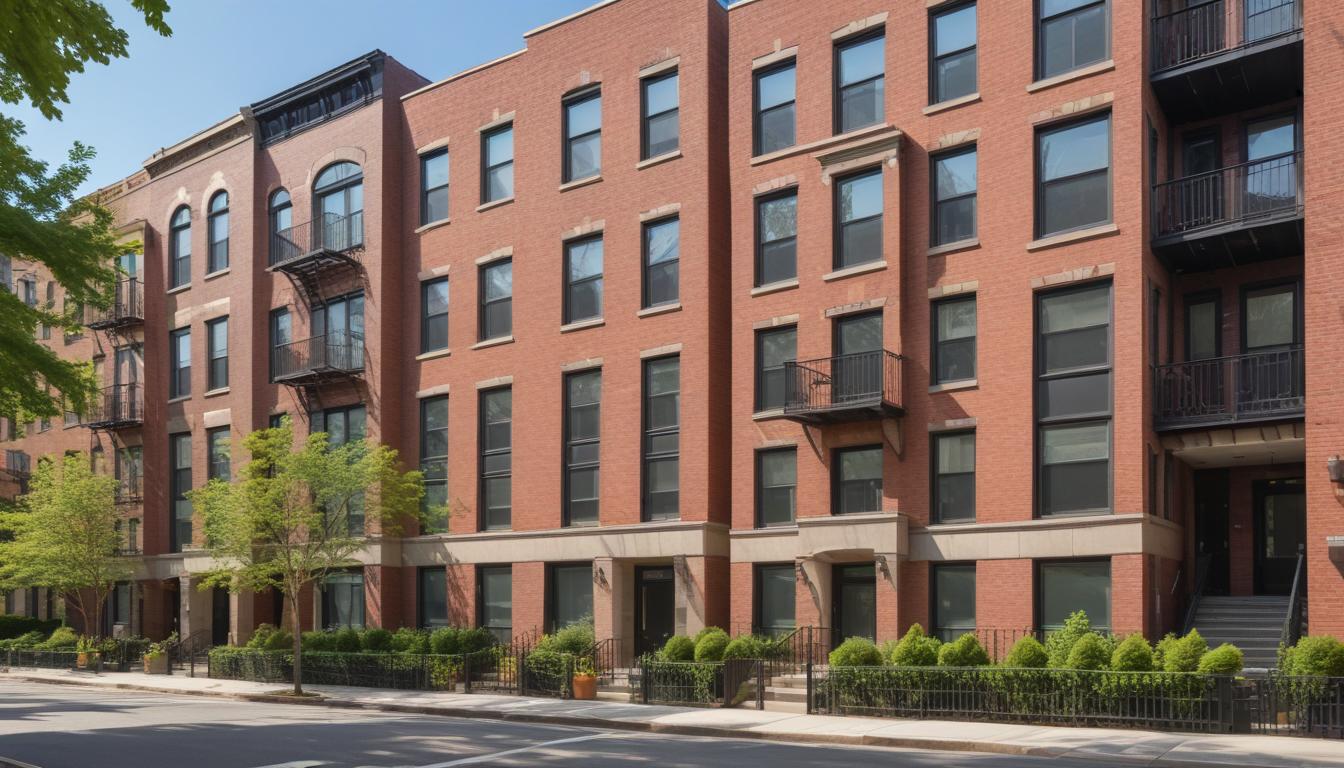
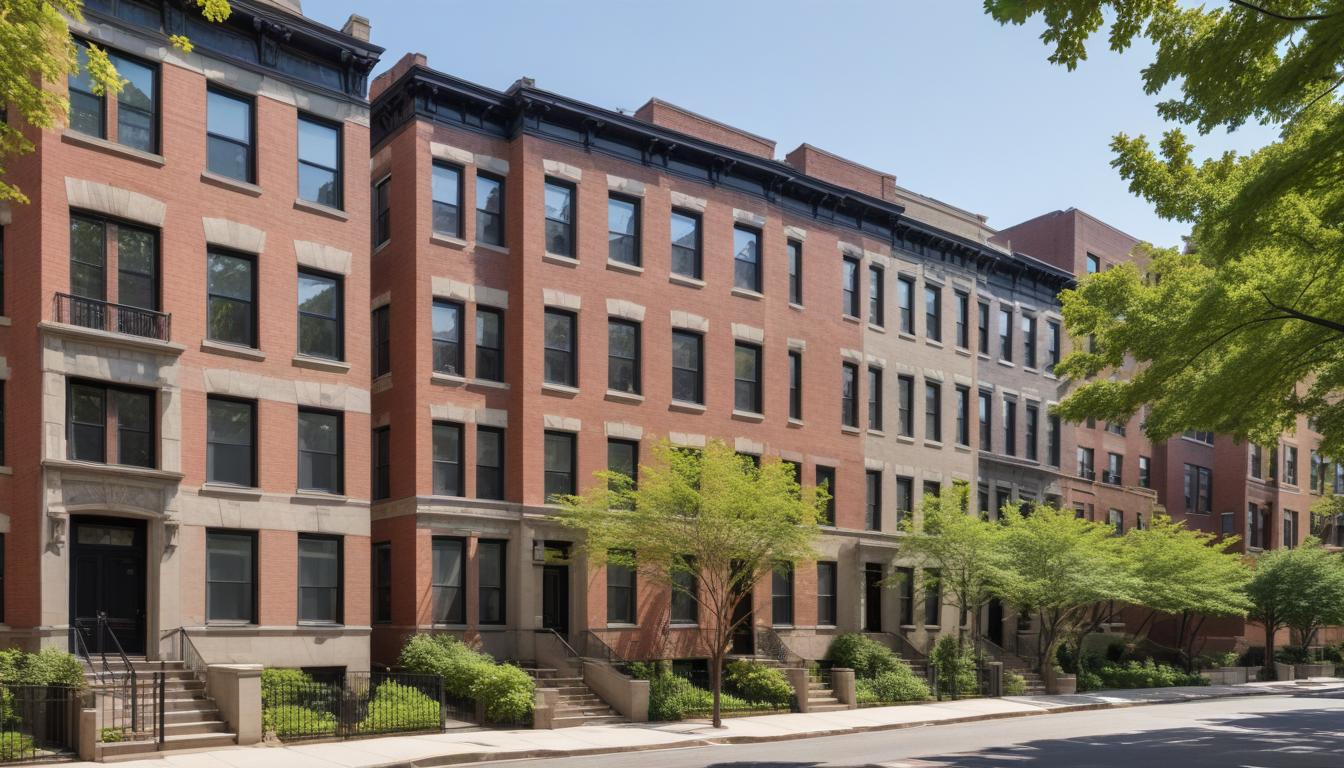
Queens and Brooklyn remain investor territory. In neighborhoods like Astoria and Ditmars, where young professionals and families cluster near waterfront jobs, a two-bedroom rental can command $2,800 to $3,400 monthly while purchase prices still sit below $750,000. That's a cap rate closer to 5 percent—more workable for long-term players. Similarly, pockets of Sunset Park and deeper into Brooklyn near the F and G train lines offer similar rent-to-price ratios, though investors must account for renovation costs.
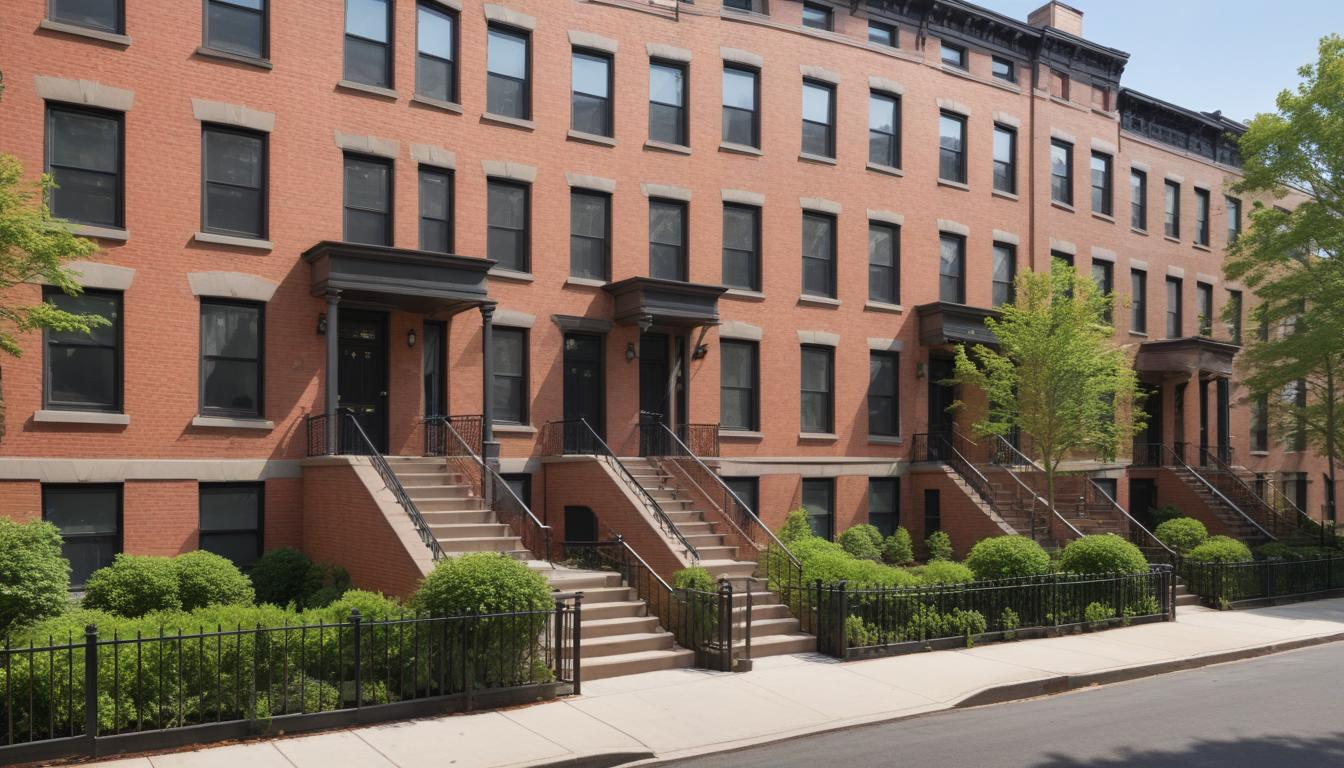
The landlord playbook has changed. New York City's expanded ADU zoning rules mean some investors can legally subdivide properties or add ancillary units, unlocking secondary income streams that traditional metrics ignore. A brownstone in Park Slope that previously rented for $4,500 might now support a legal garden apartment generating an extra $1,500 monthly—transforming marginal deals into compelling ones.
Equally important: understand your tenant landscape. Areas near major transit hubs—the Jamaica Station corridor, Long Island City waterfront, or neighborhoods surrounding Columbia University—command premium rents because demand is structural, not speculative. New investors who bet on these fundamentals sleep better than those chasing the next hot neighborhood.
Property taxes and maintenance costs deserve scrutiny. A $700,000 investment property in certain Brooklyn postcodes can carry $10,000+ annual tax bills. Factor in 8-12 percent for ongoing repairs, vacancy periods, and property management. Many first-time buyers underestimate these line items, turning promising deals into cash-flow nightmares.
Finally, resist the temptation to over-leverage. In a market where rates and regulation remain unpredictable, conservative financing—aiming for 20-30 percent down—provides breathing room. That discipline separates patient builders from speculators caught flat-footed when conditions shift.
The path to real estate wealth in New York hasn't disappeared. It's just narrower, more tactical, and demands that first-time investors do their homework before committing capital.
This article was compiled by AI from the sources linked above and screened before publishing. See our editorial standards.
How does this story make you feel?
Spread the word
About this article
Published by The Daily New York
Daily brief
Free, in your inbox before 7am. Weekdays.
More in Property