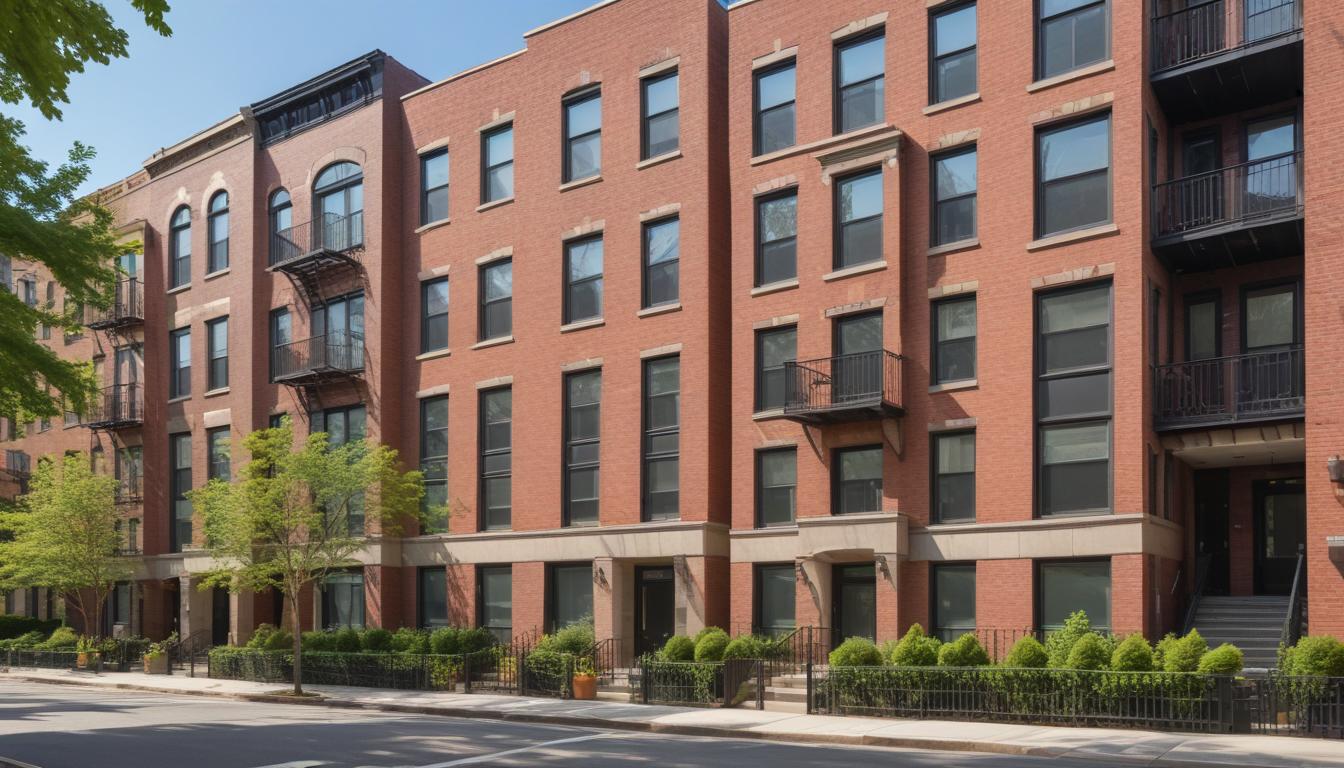
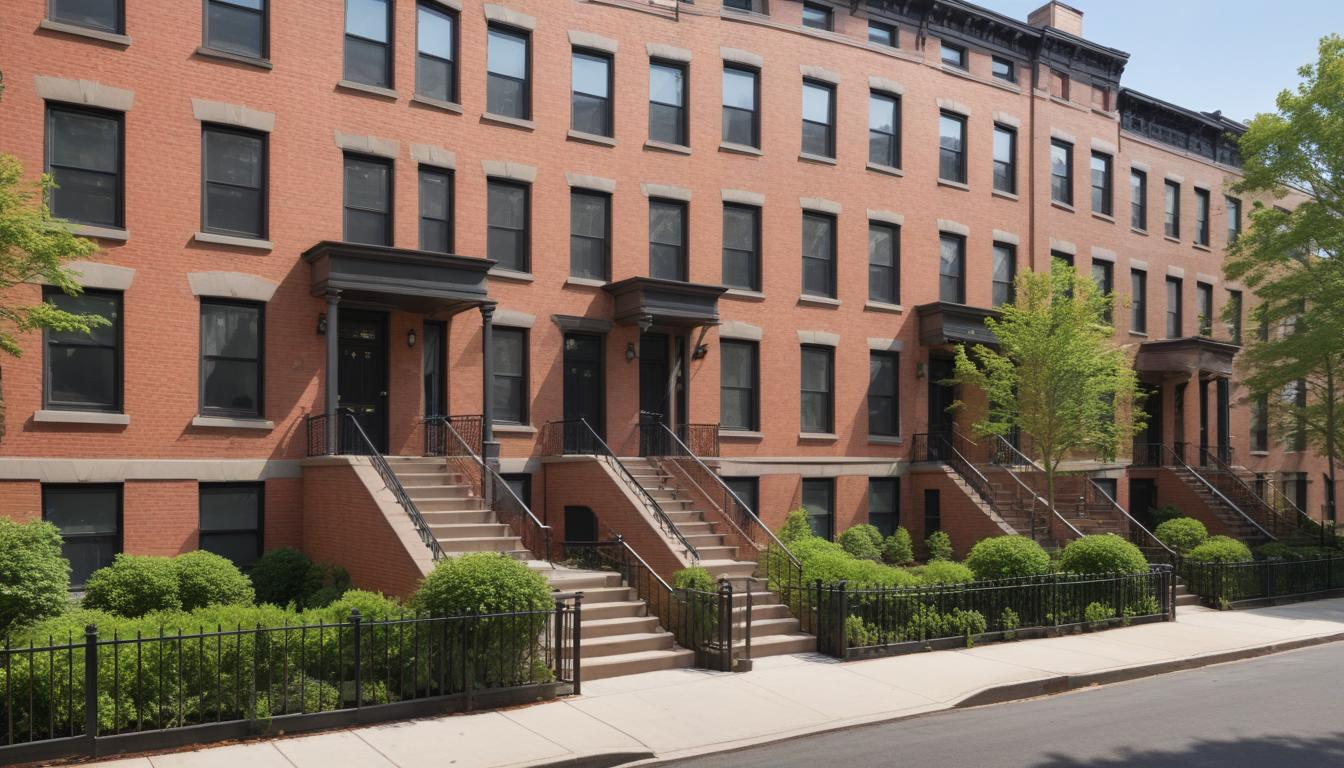
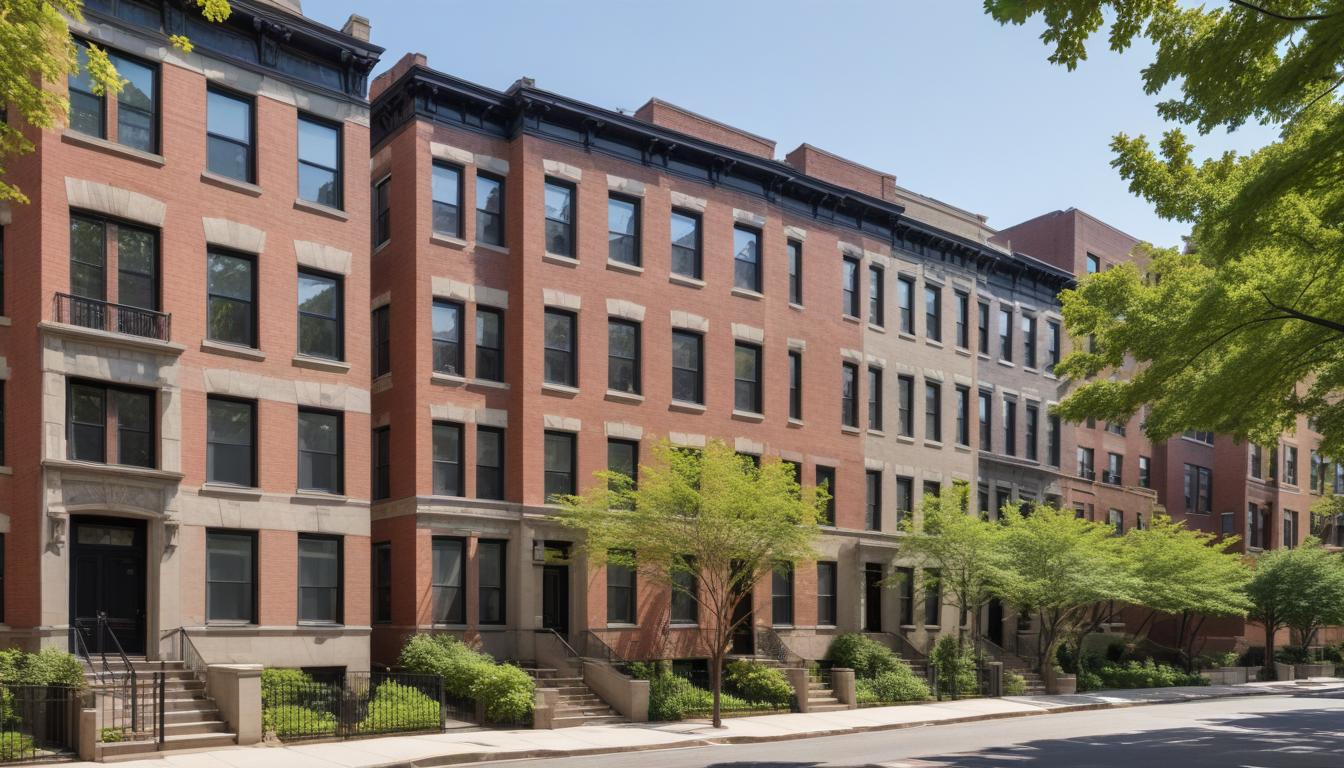
For three years, New York's rental market felt like a tenant's playground. Landlords offered concessions—free months, waived fees, below-market rates—just to fill units. But that era is quietly ending. Vacancy rates across Manhattan have dipped below 3 percent, the lowest since 2019, while outer boroughs are tracking similarly tight. The shift is already reshaping negotiations from Brooklyn to the Upper West Side.
The numbers tell the story. A studio in Murray Hill that rented for $2,100 two years ago now commands $2,650. In Park Slope, two-bedroom availability has shrunk to single-digit unit counts on major platforms. Meanwhile, landlords are tightening terms: guarantors are back in fashion, credit score minimums are climbing toward 750, and the flexible lease arrangements that defined 2023-2024 are disappearing.
For tenants, particularly those renewing leases, the impact is immediate. Rent increases of 4-6 percent are becoming standard, even in neighborhoods like Astoria and Sunset Park where competition once favored renters. The Housing Court in Lower Manhattan reports a 12 percent uptick in eviction filings related to non-payment, suggesting that elevated rents are straining household budgets across income levels.
Yet the picture isn't uniformly grim. Neighborhoods further from transit—areas around Jamaica Queens and deep into the Bronx—still show higher vacancy. Landlords holding units in these areas remain desperate, occasionally reverting to pre-2022 concession models. The Manhattan premium is widening the gap between central and peripheral markets.
For small landlords managing fewer than five properties, the tighter market is validating their patience through the lean years. But institutional owners and large portfolio holders are the real winners, using their scale to implement standardized—and stringent—tenant screening. Organizations like the Rent Guidelines Board continue fielding complaints about affordability, though their jurisdictional limits constrain their influence.
The broader implication: New York's rental market is normalizing after an anomalous surplus period. Tenants who secured long-term leases during 2023-2024 are now sitting on valuable—if unrenewable—deals. Those entering the market today face a fundamentally different negotiating position.
Experts suggest the window for tenant-favorable conditions may narrow further if new construction doesn't accelerate. The zoning reforms facilitating ADUs across outer boroughs could provide relief in 18-24 months, but near-term pressure appears locked in. For now, New York's rental market has shifted. The question is whether policy-makers can act fast enough to prevent it from shifting too far.
This article was compiled by AI from the sources linked above and screened before publishing. See our editorial standards.