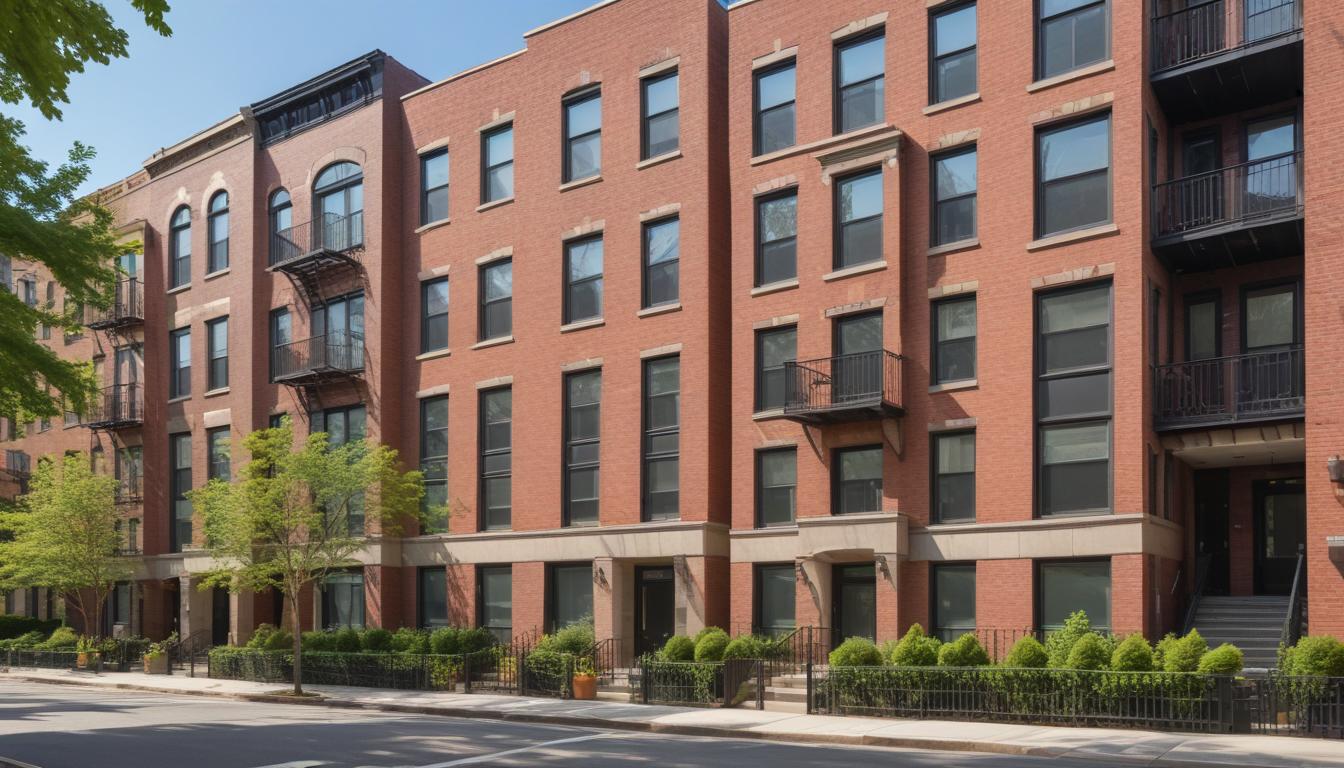
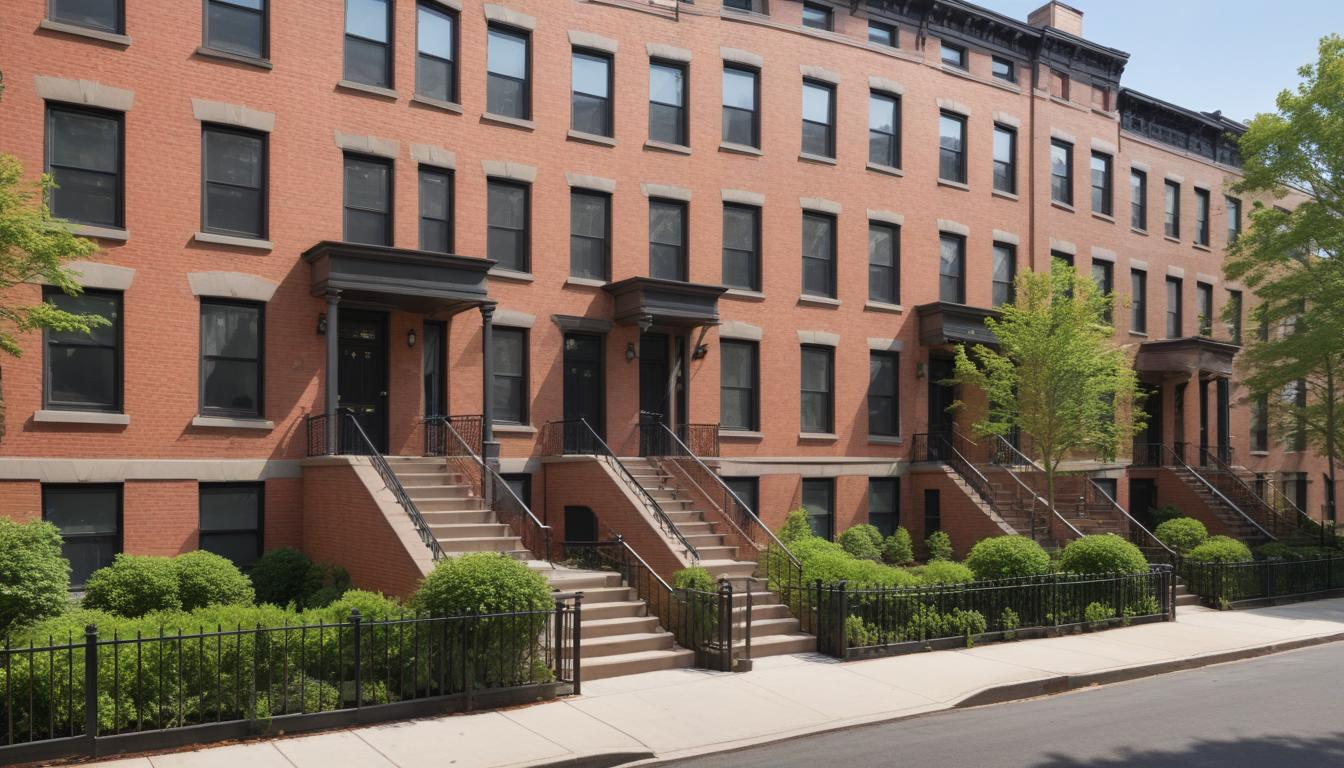
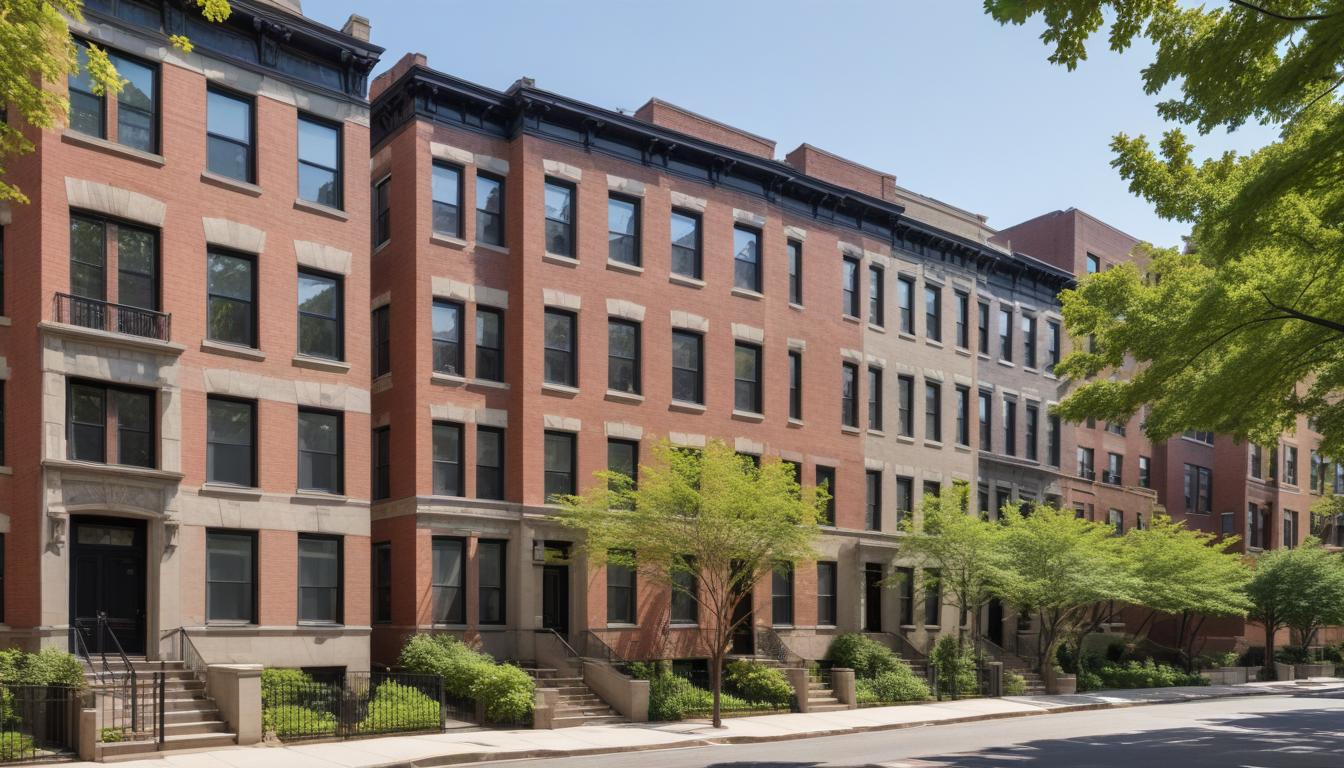
Long Island City has quietly become the investment story nobody's talking about—and that's precisely why smart money is moving in. Once dismissed as a gritty industrial pocket across the East River, Queens' waterfront neighbourhood is now commanding median sale prices of $875,000, a 34% surge since 2023, while rents hover around $3,200 for a two-bedroom apartment.
The catalyst is infrastructure. The 7 train extension, completed in 2015, seemed quaint at the time. Now, with the planned Ferry Street subway connection and Hudson Yards' ongoing development creating spillover demand, Long Island City is becoming the natural next chapter for buyers priced out of Manhattan and reluctant to venture deeper into Brooklyn. Vernon Boulevard—the neighbourhood's emerging commercial spine—has transformed from auto repair shops and warehouses into gallery spaces, restaurants, and creative offices.
What makes Long Island City distinct from the broader Queens renaissance isn't just proximity; it's scarcity. The neighbourhood sits on just 500 acres of waterfront, with limited buildable land remaining. New York's ADU zoning expansion, which now permits accessory dwelling units citywide, presents an underexplored angle here: larger waterfront lofts and converted industrial spaces are ideal for subdivision, attracting investor-developers seeking yield enhancement.
Institutional players have noticed. SL Green and RXR Acquisition Corp have substantially increased their Long Island City portfolios over the past 18 months, betting on long-term appreciation and mixed-use density. Meanwhile, local developers report that pre-construction sales for residential projects along the East River waterfront are moving at rates not seen since 2019.
The neighbourhood's median price still trails Manhattan's $1.3 million and isn't yet at Brooklyn's $950,000 benchmark—a fact that matters to value-conscious investors. A modest one-bedroom in a newer waterfront building can still be found for $750,000 to $850,000, compared to $1.1 million across the river in Williamsburg.
Risks remain. Flood resilience is an active conversation, with climate concerns legitimately affecting some buyer decisions. Broader economic pressures could also temper momentum if interest rates remain elevated. But the combination of transit infrastructure, waterfront scarcity, and institutional capital positioning suggests Long Island City is entering a genuine expansion phase, not a temporary bubble.
For investors with a five-to-ten-year horizon, the neighbourhood represents perhaps New York's last genuine ground-floor opportunity in an ultra-prime market. The question is no longer whether to look at Long Island City—it's how quickly prices will make it inaccessible.
This article was compiled by AI from the sources linked above and screened before publishing. See our editorial standards.