First-Time Buyers Face New Reality as City Tweaks Grants and Zoning Rules
Recent policy shifts on down payment assistance and ADU regulations are reshaping affordability in outer boroughs, but the window for entry-level gains may be narrowing.
Recent policy shifts on down payment assistance and ADU regulations are reshaping affordability in outer boroughs, but the window for entry-level gains may be narrowing.

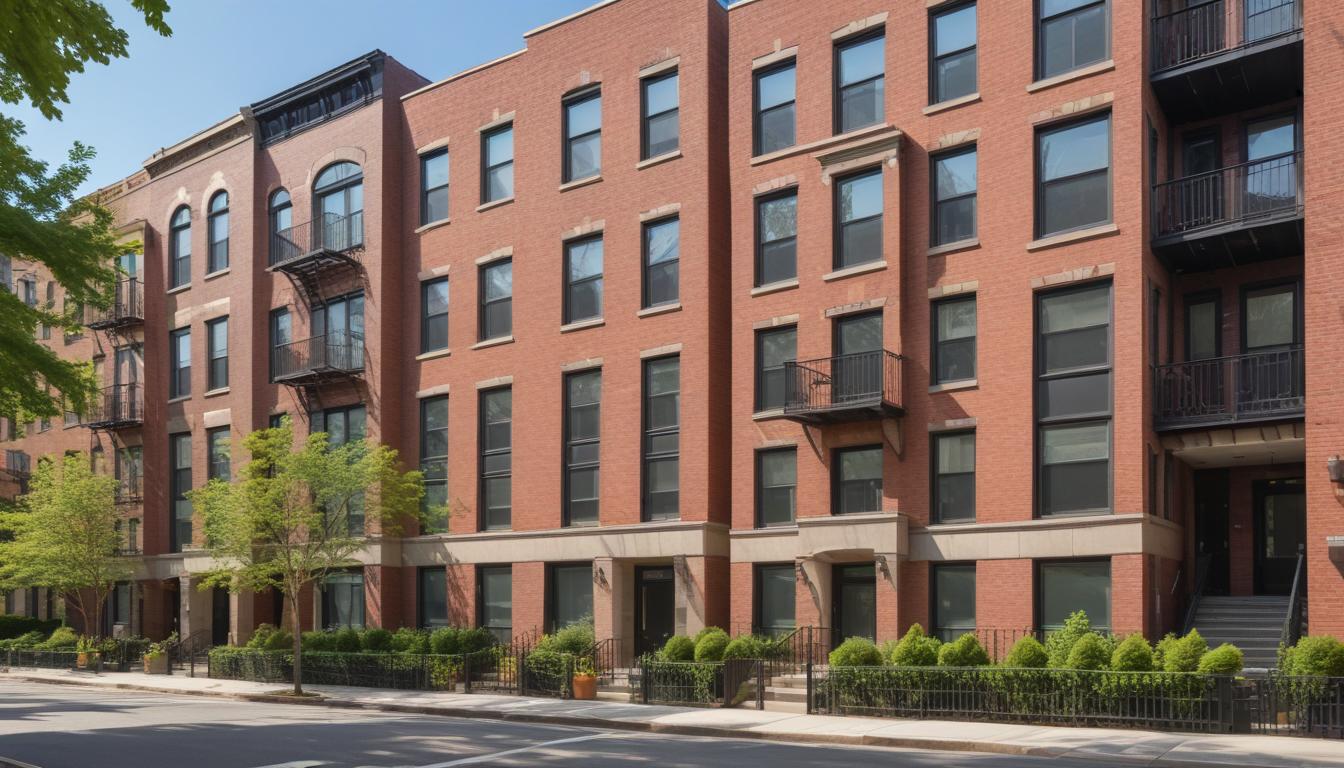
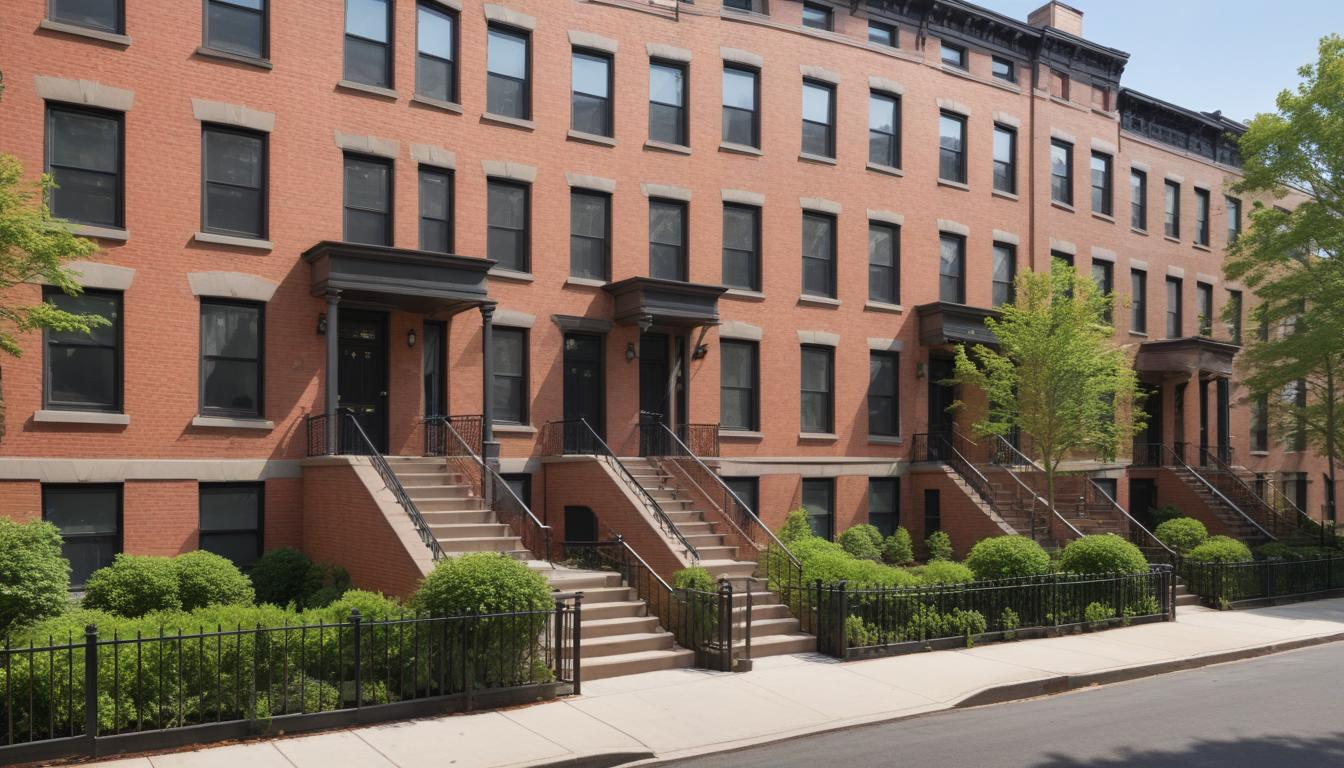
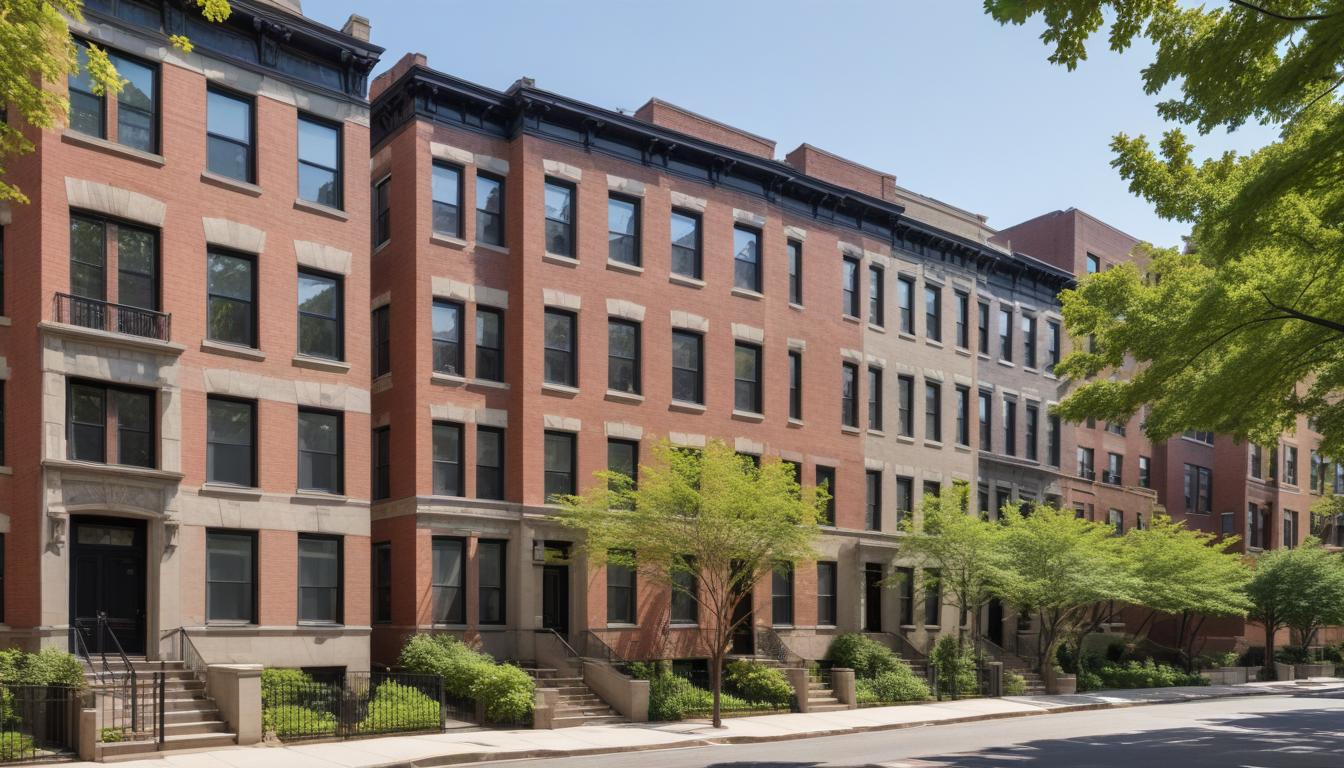
For years, first-time buyers have relied on New York City's down payment assistance programs as a lifeline. But a cascade of recent policy adjustments—from tightened income caps to expanded zoning permissions for accessory dwelling units—is fundamentally rewriting the playbook for those trying to break into the market.
The median home price in New York now sits around USD 800,000, with Manhattan condos and co-ops commanding USD 1.3 million or more. Meanwhile, Brooklyn and Queens have become the testing ground for new affordability initiatives, even as rising prices threaten to outpace grant programs entirely. The city's recent decision to expand ADU zoning in neighborhoods like Astoria, Forest Hills, and along the Sunset Park waterfront is designed to unlock rental income for owners—a crucial offset for monthly mortgage payments. Yet it's also trickling into purchase calculations, adding complexity to first-time buyer decisions.
The Housing Preservation Department and Department of Housing and Urban Development have both adjusted grant eligibility thresholds this year. A household earning USD 100,000 annually—previously qualified for assistance in much of Queens—now faces stricter scrutiny depending on neighborhood designation. The shift reflects a broader city strategy: concentrate grants in neighborhoods where they'll have maximum impact, rather than spreading resources thin across high-demand corridors like Park Slope or Williamsburg.
Real estate professionals report mixed signals from the market. Some first-time buyers are rushing to close before potential further tightening; others are waiting to see whether the ADU zoning expansion drives property values up in targeted neighborhoods. In Long Island City, where new residential zoning has stabilized prices around USD 650,000–USD 750,000 for a one-bedroom condo, buyers are particularly active. Across the East River in Astoria, prices remain more accessible at USD 550,000–USD 650,000, but competition is intensifying as word spreads about the ADU permissions.
The policy shifts have also affected financing strategies. Lenders are now more cautious about counting projected ADU rental income toward debt-service ratios, creating friction for buyers banking on that revenue stream. Meanwhile, the city's moves to regulate short-term rentals are dampening some investors' enthusiasm for multi-unit properties—a secondary effect that could stabilize owner-occupied housing.
For first-time buyers, the lesson is clear: windows close fast. Those with access to grants should move decisively; those betting on ADU income should consult experienced advisors. The market isn't cooling—it's being rewritten.
This article was compiled by AI from the sources linked above and screened before publishing. See our editorial standards.
How does this story make you feel?
Spread the word
About this article
Published by The Daily New York
Daily brief
Free, in your inbox before 7am. Weekdays.
More in Property