First-Time Buyers Face New Headwinds as Tight Rental Market Reshapes Down Payment Strategy
Rising rents across Brooklyn and Queens are forcing prospective homeowners to delay savings plans, even as state and city grants expand.
Rising rents across Brooklyn and Queens are forcing prospective homeowners to delay savings plans, even as state and city grants expand.
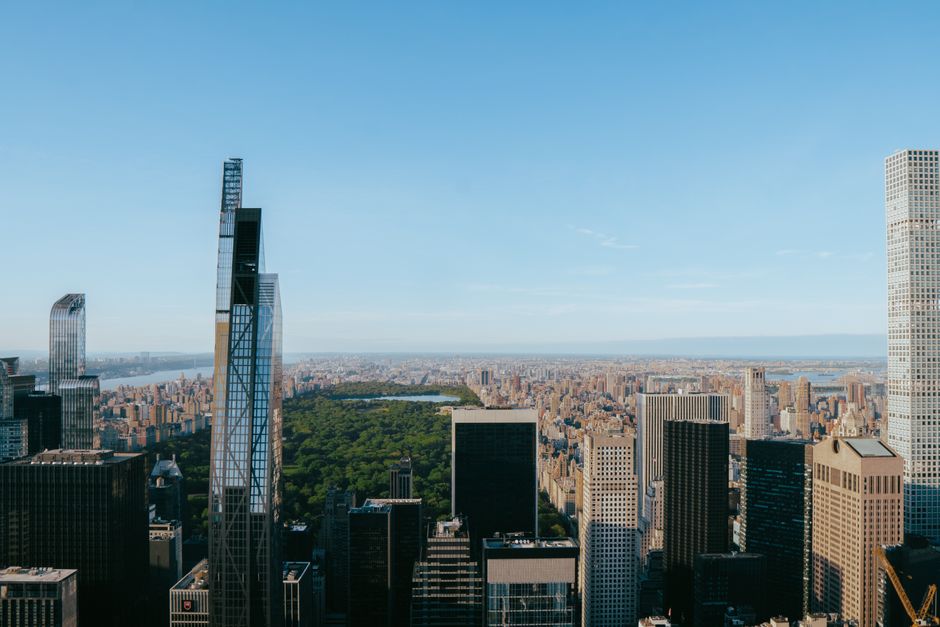
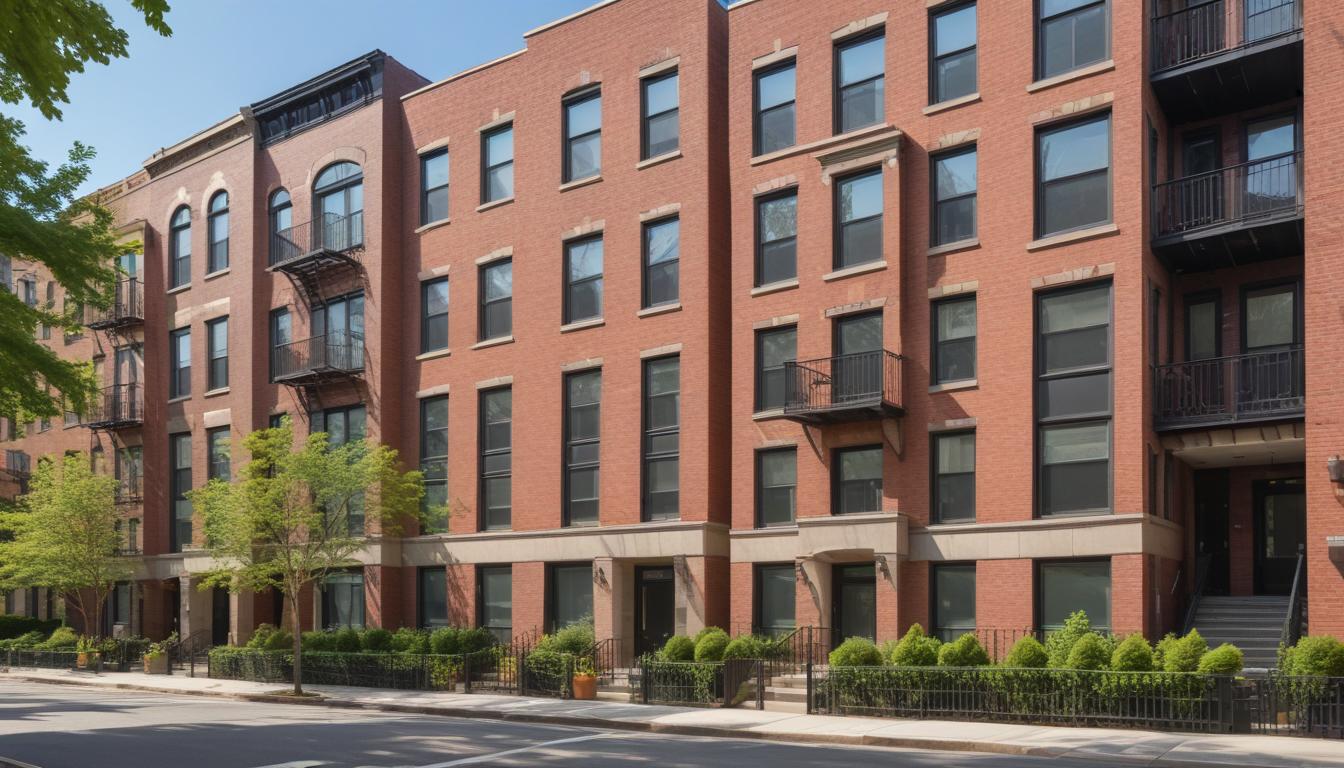
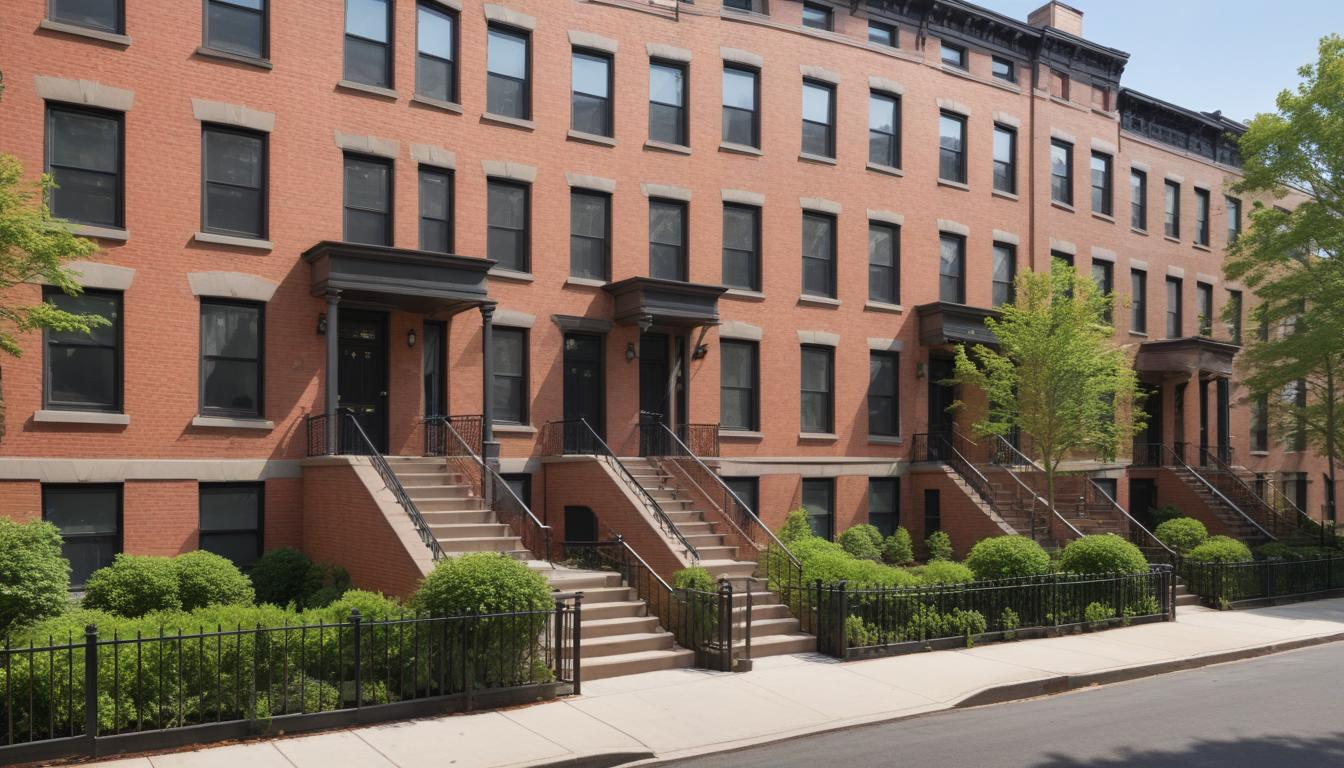
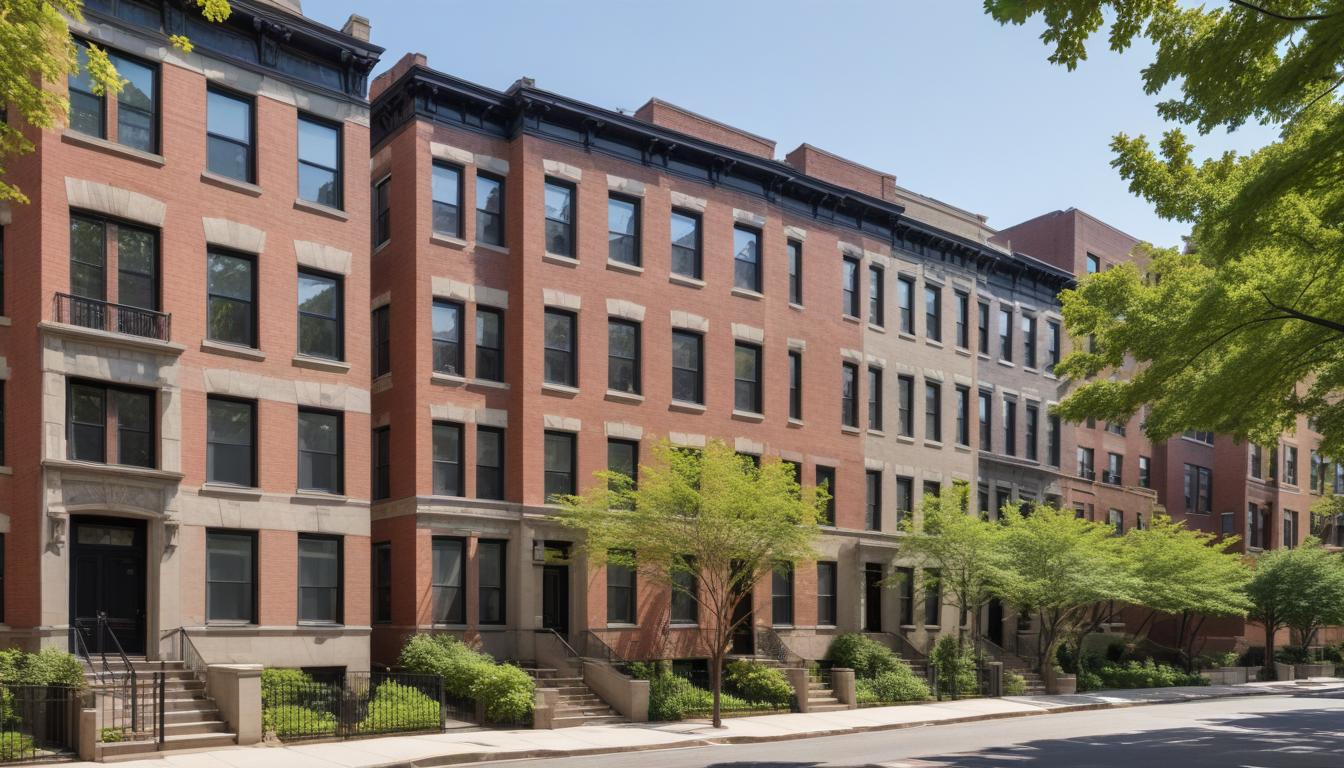
For the past three years, Astoria and Williamsburg have emerged as unexpected pressure points in New York's first-time buyer narrative. While median home prices in Manhattan hover near $1.3 million, outer-borough apartments that once served as stepping stones for young professionals now command asking rents of $2,400–$2,800 for a one-bedroom—up nearly 22 percent since 2023. This rental surge is fundamentally reshaping how first-time buyers approach homeownership, forcing many to reassess when—or whether—they can accumulate the 5–20 percent down payment required by most lenders.
The tension cuts both ways. Landlords managing buildings from Park Slope to Long Island City face their own calculus: cap rents to retain reliable tenants, or chase market rates and risk turnover costs. Meanwhile, renters stretched thin by rising housing costs find themselves locked out of the savings equation that historically led to ownership. The median down payment for first-time buyers in New York State sits around $45,000—a figure increasingly difficult to reach when monthly rent consumes 40–45 percent of household income.
State and city initiatives are attempting to bridge this gap. The New York Housing Finance Agency's Affordable Housing Program and the city's Down Payment Assistance Program offer grants up to $40,000 for qualifying buyers in designated neighborhoods, including parts of Sunset Park and Astoria. Yet eligibility caps—typically capped at $90,000 household income—exclude many working professionals paying premium rents. First-time buyer programs through institutions like Habitat for Humanity New York and the Partnership for New York City have expanded offerings, but demand vastly outpaces available units.
For landlords, the rental market's strength presents a paradox. Higher rents boost property values, yet turnover rates in hot neighborhoods have climbed as tenants seek alternatives or move beyond the city entirely. Some property owners are reconsidering long-term holds, accelerating sales to investors and corporations—players who view residential real estate primarily as yield-generating assets rather than community anchors.
Industry observers suggest the rental-to-ownership conversion will depend on several factors: interest rate stability, zoning flexibility for accessory dwelling units (now expanding citywide), and whether grant programs can grow faster than rents. For now, the math remains unforgiving. A household earning $75,000 annually and paying $2,500 monthly rent saves roughly $6,000 per year toward a down payment—meaning a five-year accumulation period just to reach minimum thresholds. Without intervention, New York risks cementing a two-tier housing market: those who bought years ago, and those who never will.
This article was compiled by AI from the sources linked above and screened before publishing. See our editorial standards.
How does this story make you feel?
Spread the word
About this article
Published by The Daily New York
Daily brief
Free, in your inbox before 7am. Weekdays.
More in Property