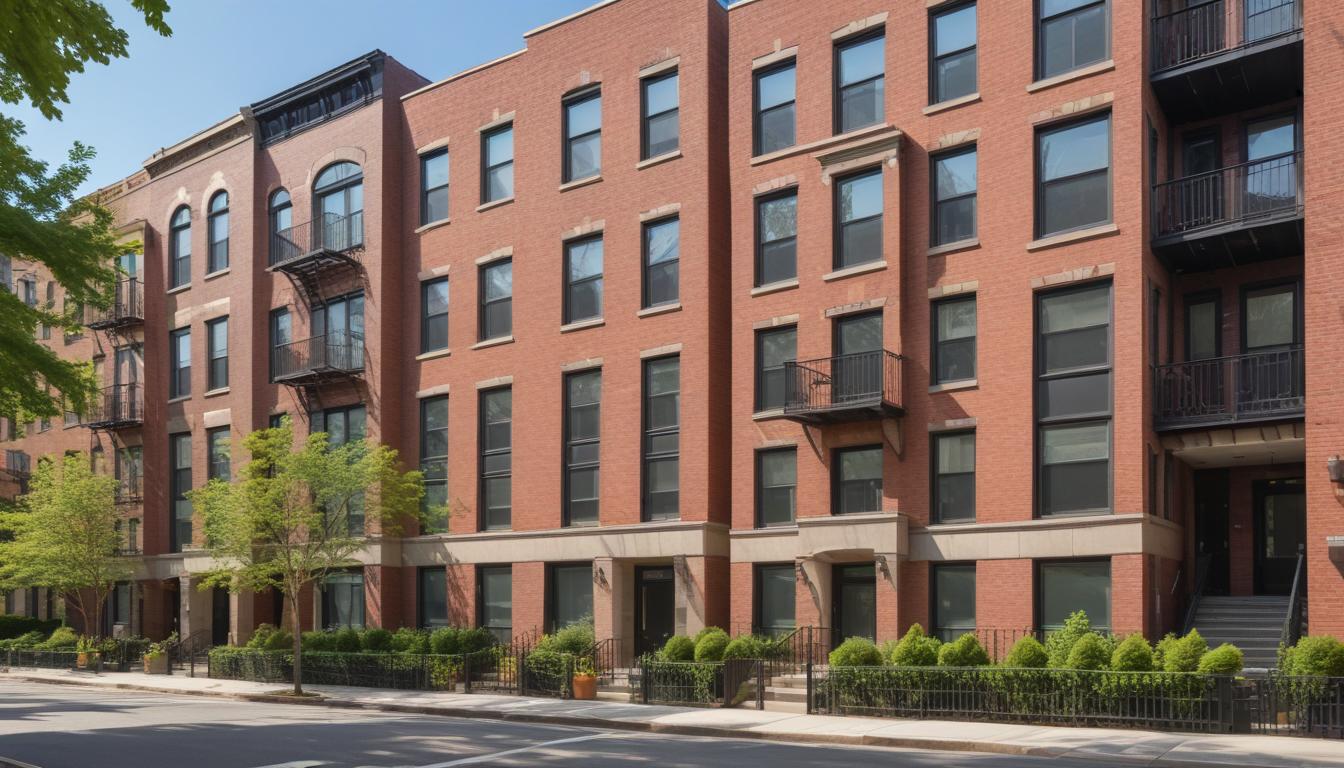
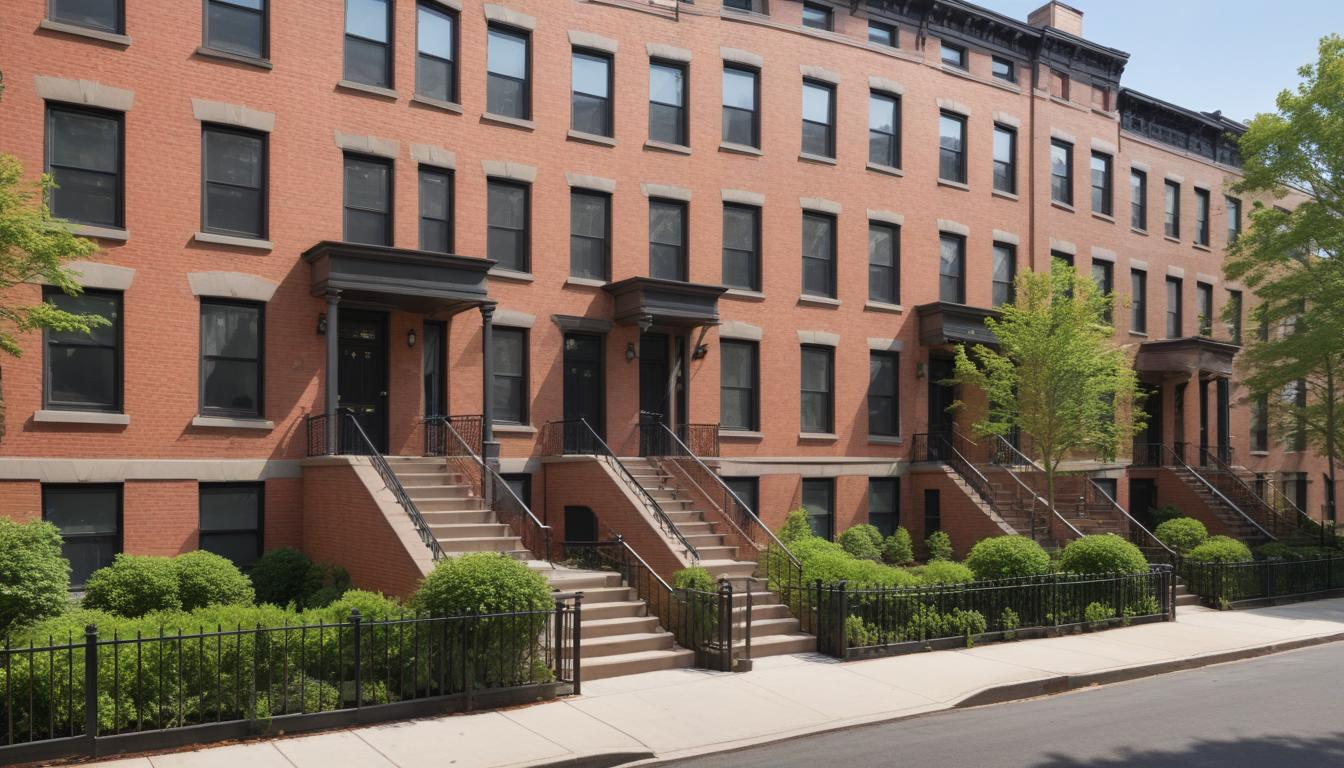
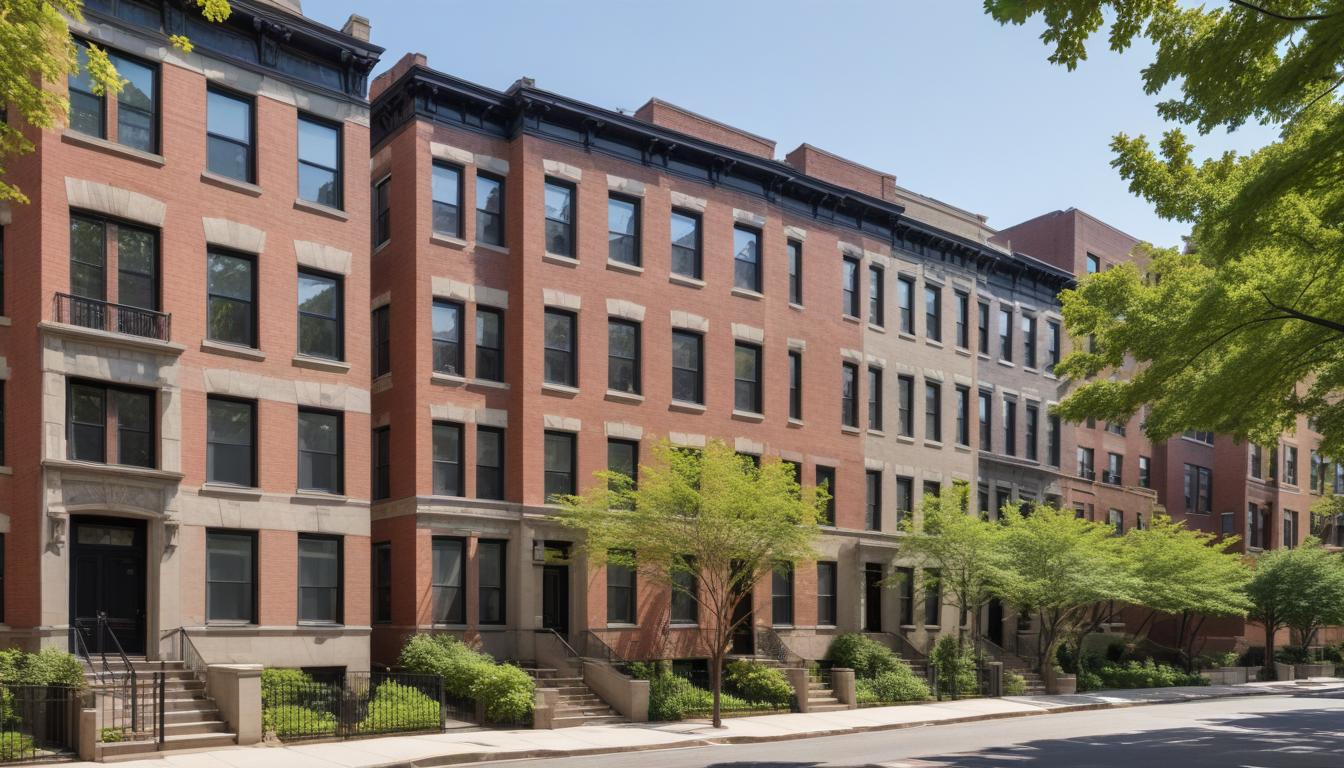
The numbers are landing. After years of rising construction costs and extended timelines, residential developments now completing across Brooklyn and Queens are demonstrating the investor returns that justified early capital deployment—though the margins tell a more nuanced story than the pandemic boom promised.
Recent approvals and completions in high-growth corridors reveal a market recalibrating around realistic yield expectations. A 250-unit rental tower that broke ground on Meeker Avenue in Williamsburg in 2023 is now leasing units at $3,200 for a one-bedroom, translating to roughly 4.8 percent gross yields for institutional investors—down from the 6-plus percent some anticipated during the 2021 approval phase. Similarly, mixed-use developments along the Astoria Boulevard waterfront in Queens are delivering completion-phase returns closer to 5.2 percent, accounting for construction overruns and financing costs that have proven steeper than initial underwriting.
What's shifting is which developers are winning approvals and what those approvals look like. The Department of City Planning's recent approvals data shows adaptive reuse and conversion projects now representing 34 percent of new residential units in the pipeline—up from 18 percent two years ago. A converted warehouse at 55 West 17th Street in Long Island City obtained its certificate of occupancy in April, with investor returns running 5.6 percent on stabilized rents, outpacing new-construction yields by nearly a full percentage point.
The economics reveal why. Construction inflation has plateaued but remains elevated; hard costs for mid-rise residential in Brooklyn hover around $650 per square foot, versus $520 in 2022. Land costs in approved pipeline neighborhoods—Sunset Park, Astoria, and emerging sections of Ridgewood—have stabilized rather than continued climbing, giving developers more breathing room on margins. Financing, meanwhile, has normalized, with construction loans averaging 7.8 percent interest rather than the 9-plus percent rates that haunted 2024 closings.
Zoning policy is reshaping returns as well. Expanded ADU regulations and streamlined community board processes have reduced approval timelines by 14-18 months on average, meaning capital sits idle for less time. Developments with City Planning fast-track approvals are reporting 2-3 percent better returns, simply by reaching market faster.
The takeaway for institutional investors watching the pipeline: New York's development sector is no longer a yield play on speculation. It's returned to fundamentals. Projects penciling out at 5-5.5 percent gross returns are now attracting capital, provided location, construction quality, and exit strategy are sound. That's not the euphoria of 2021, but it's the baseline reality developers and their backers are pricing in as the next wave of approvals moves toward completion.
This article was compiled by AI from the sources linked above and screened before publishing. See our editorial standards.