For years, affordable housing advocates and real estate investors occupied opposite corners of New York's property debate. But in Astoria, Queens, a confluence of zoning changes, city incentives, and waterfront redevelopment is creating an unexpected sweet spot—one where both camps are placing bets.
The neighbourhood's transformation accelerated after the city expanded mandatory inclusionary housing (MIH) zones along the East River waterfront. Under current regulations, new residential projects must set aside 25–35% of units at affordable rates, depending on developer incentives chosen. For institutional investors and family offices, that trade-off is increasingly palatable.
"Astoria offers what Manhattan and central Brooklyn stopped offering five years ago: development potential at scale," says one market analyst tracking the area. Average asking rents have climbed to $2,100 for a one-bedroom—still 30% below Williamsburg—while median home prices hover around $650,000, substantially below the citywide $800,000 median.
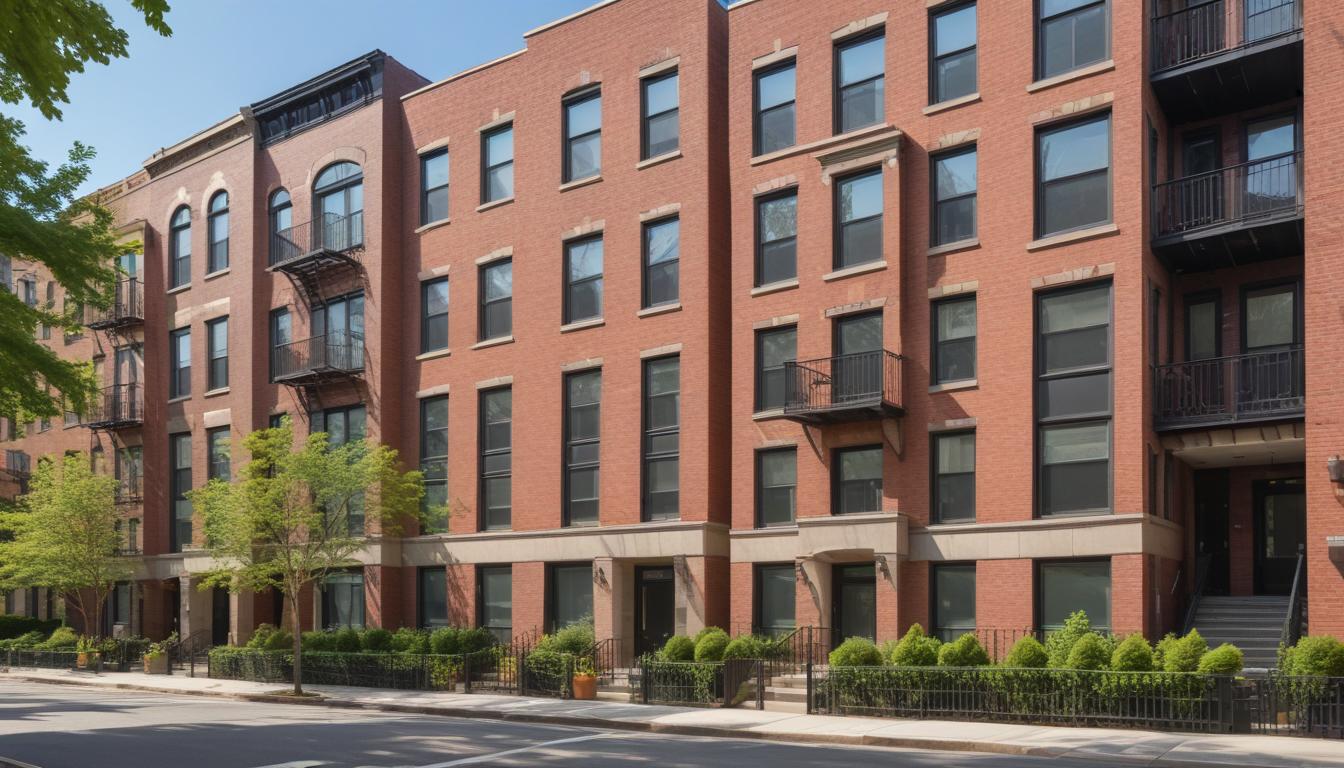
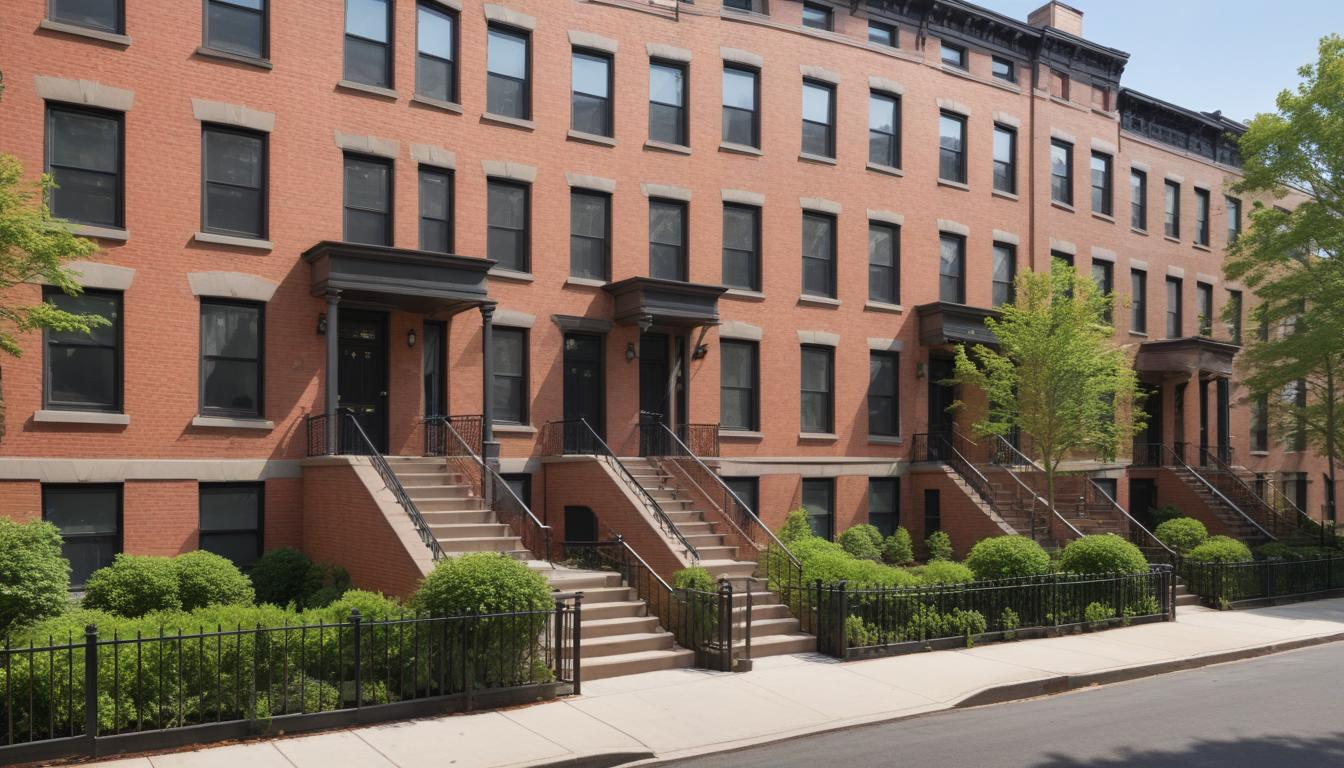
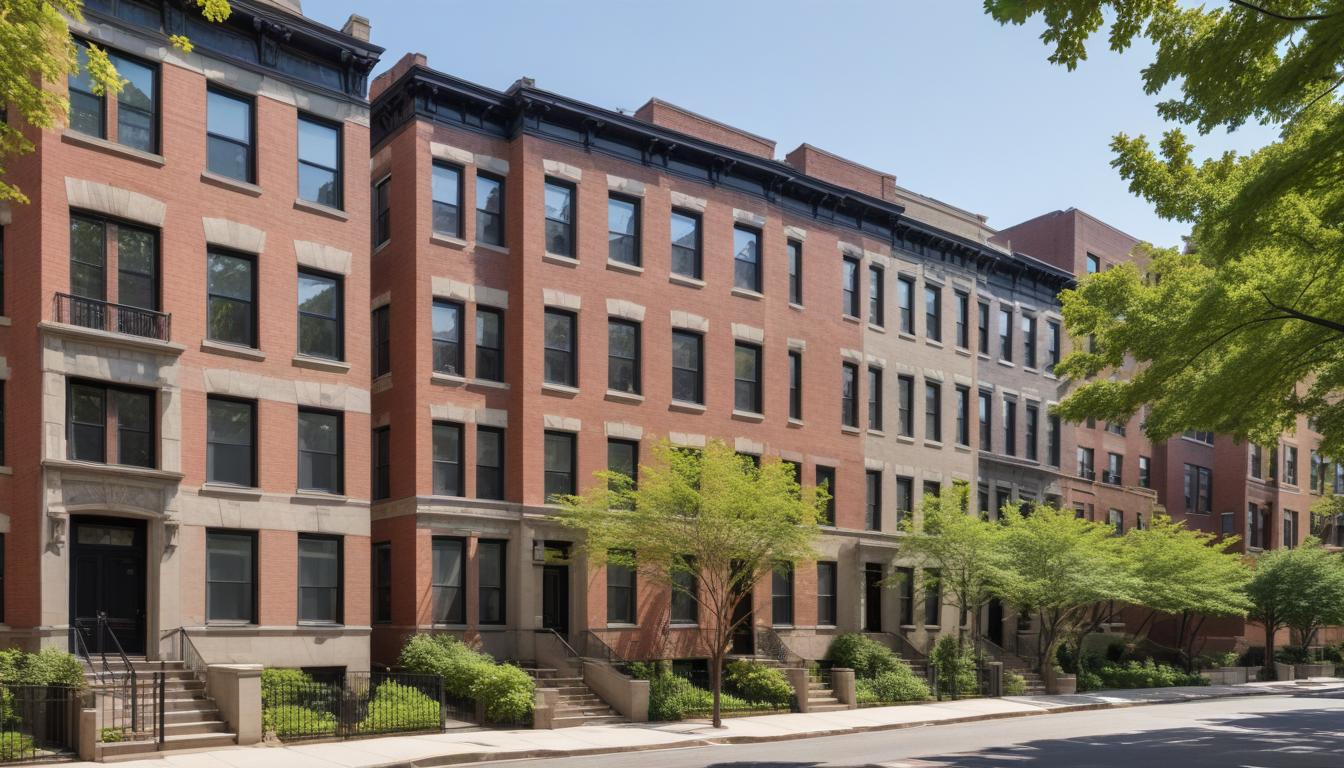
Several large-scale projects illustrate the trend. Along the Astoria Cove waterfront, mixed-income residential developments are moving through community board approval, blending market-rate and affordable units. The Ditmars Boulevard corridor, once dominated by auto repair shops and small Greek family businesses, now attracts adaptive reuse proposals that preserve neighbourhood character while hitting affordability targets.
The appeal extends beyond developers. Non-profit housing organisations, including those affiliated with Queens-based groups, are partnering with private capital to acquire sites for permanent affordable stock. The city's Housing Preservation Development (HPD) recently allocated substantial funding to support acquisition and preservation efforts in Western Queens—Astoria included—as part of its 2024–2026 affordable housing commitment.
Astoria's public transit infrastructure—the N, W, and R subway lines converging at Astoria Boulevard—adds practical appeal for both renters and buyers. The neighbourhood's cultural institutions, from Socrates Sculpture Park to the Museum of the Moving Image, enhance its livability profile without the premium pricing of established destinations.
Not everyone views the trend optimistically. Long-time residents worry that even "affordable" units—typically set at 60–80% of area median income—remain out of reach for service workers and seniors on fixed incomes. Displacement pressures, while less acute than in gentrified Brooklyn enclaves, are mounting.
Still, for investors seeking to align returns with social impact, Astoria represents a rare alignment. As zoning restrictions tighten across Manhattan and central Brooklyn, and as housing scarcity drives policy innovation, Astoria's waterfront and commercial corridors are no longer a secondary option—they're becoming the primary draw.
This article was compiled by AI from the sources linked above and screened before publishing. See our editorial standards.