The Manhattan luxury market—where penthouses regularly command north of $50 million and median prices hover around $1.3 million—is experiencing an unexpected tremor. Not from interest rates or market sentiment, but from City Hall's latest zoning overhaul.
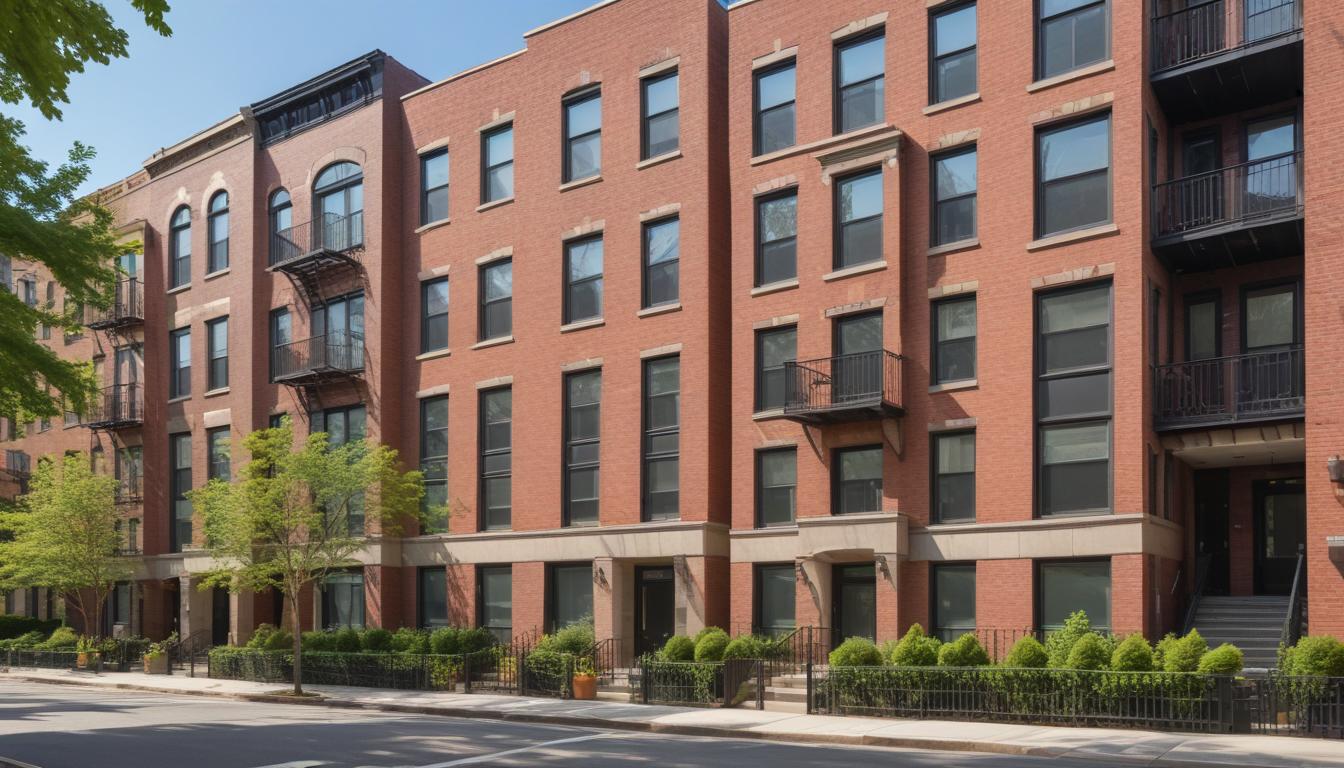
The expansion of Accessory Dwelling Unit (ADU) regulations into previously restricted zones has sent ripples through neighborhoods like the Upper East Side, Brooklyn Heights, and Park Slope. While aimed at addressing affordable housing shortages citywide, the policy has fundamentally altered development calculus for properties in the $5M-$30M range, where investors previously banked on single-family or limited-unit configurations.
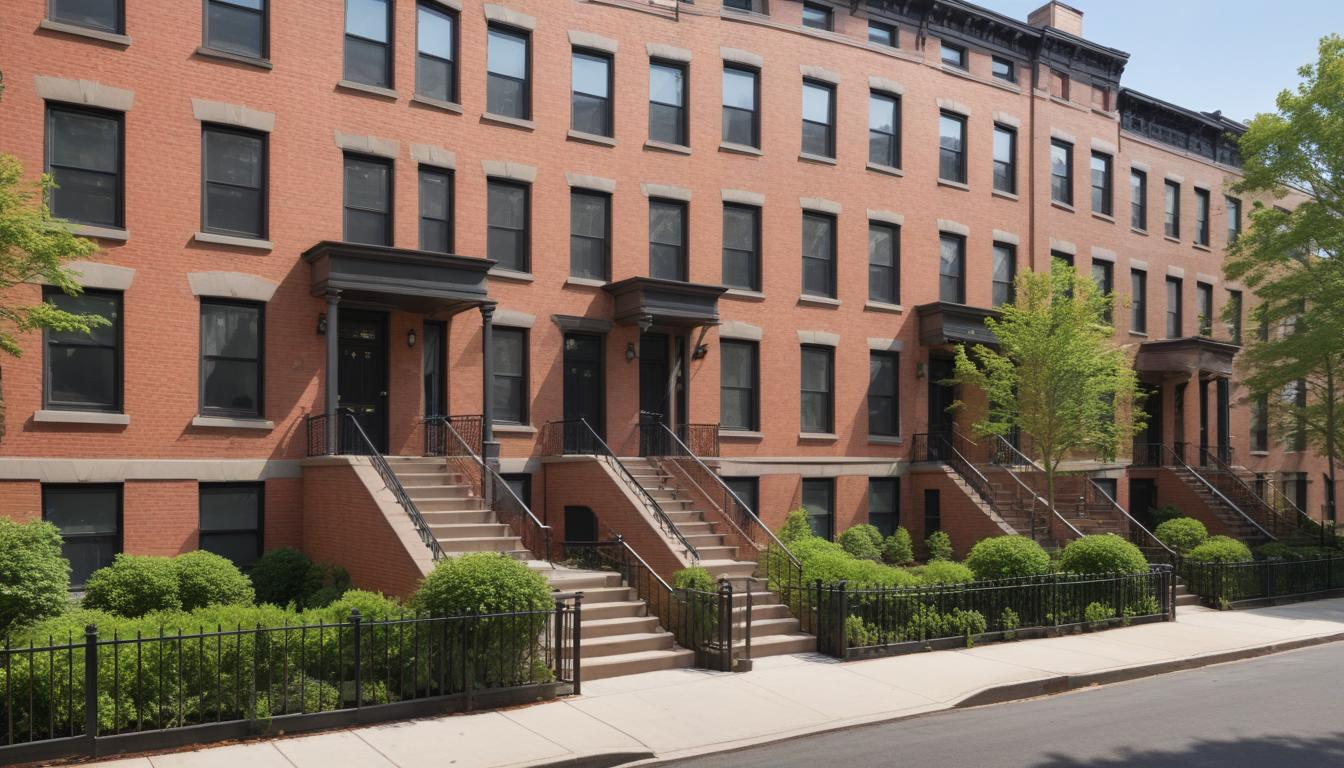
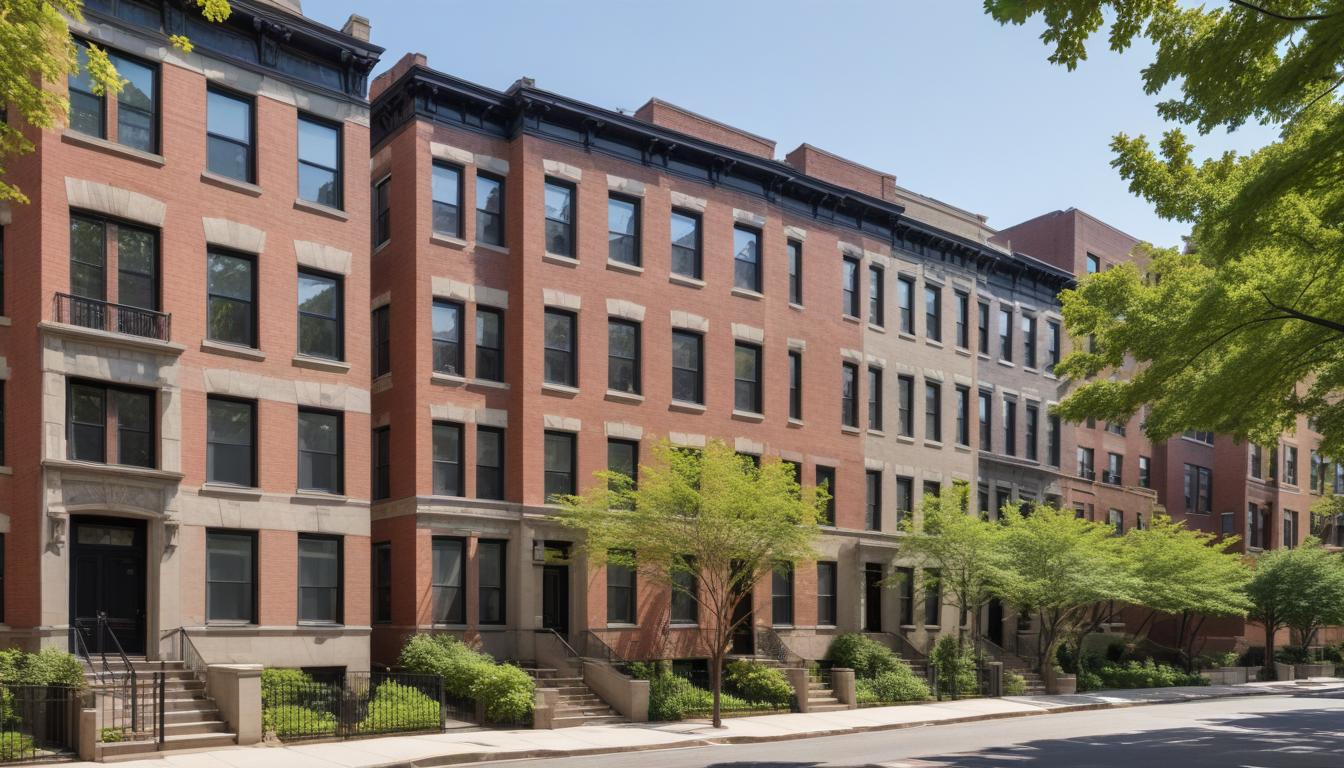
"What was previously a three-story townhouse opportunity on the Upper East Side near the Met now faces potential ADU zoning requirements," explains one Tribeca-based development consultant tracking the changes. Developers are now filing permits at accelerated rates—a race against implementation deadlines typical of New York's regulatory cycle.
The commercial-to-residential conversion fast-track program, simultaneously greenlit by the city planning department, has proven more consequential for the ultra-luxury segment. Defunct office buildings in Midtown, Nomad, and Lower Manhattan are being repositioned as luxury residential assets. A 110,000-square-foot office building on West 28th Street recently changed hands for $180 million, with conversion plans positioning units in the $2M-$4M bracket.
Meanwhile, environmental review expediting for mixed-income developments has created unexpected constraints for pure luxury projects. The CEQR (City Environmental Quality Review) streamlining benefits developments incorporating affordable units—incentivizing some builders to integrate 15-20 percent affordable inventory into luxury buildings to capture faster approvals and tax incentives.
Luxury real estate professionals report a bifurcation in market strategy. Traditional high-end developers are accelerating projects in grandfathered zones—Carnegie Hill, the Financial District, Long Island City waterfront—where older zoning frameworks remain intact. Meanwhile, forward-thinking firms are restructuring portfolios to align with the new regulatory environment, viewing mandatory ADU provisions as risk rather than obstacle.
The median price point for Manhattan co-ops and condos remains robust at $1.3 million-plus, with Brooklyn and Queens continuing their steady appreciation. Yet the policy-driven repositioning suggests that premium locations will bifurcate further: ultra-protected neighborhoods commanding historical premiums, while transitional zones offering sophisticated investors genuine opportunity in a market increasingly shaped by planners, not just markets.
This article was compiled by AI from the sources linked above and screened before publishing. See our editorial standards.