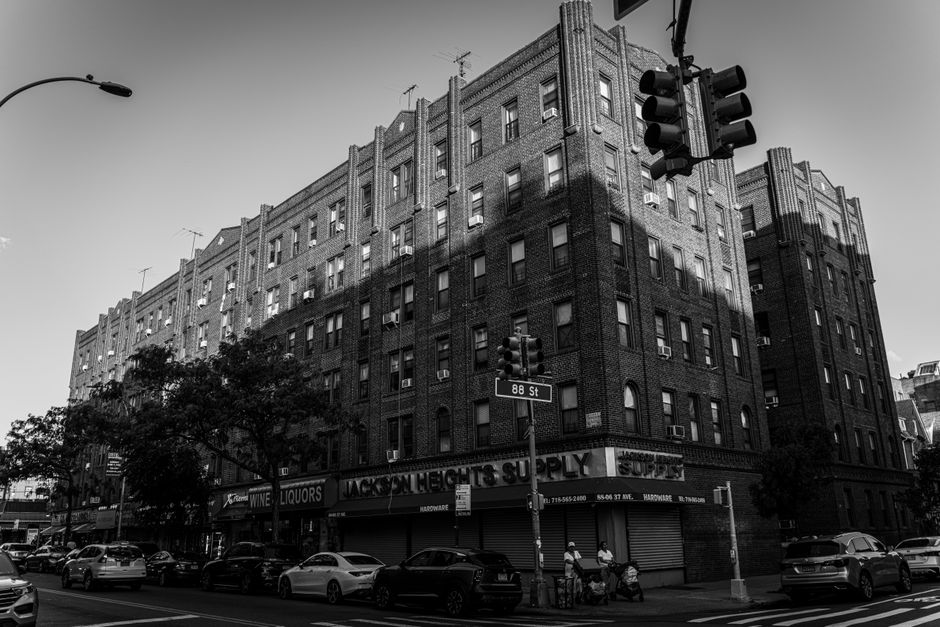
Long Island City has long promised to be New York's next frontier. In 2026, that promise is finally materializing—and savvy investors are taking notice. Three significant development projects now under construction or in advanced planning stages are fundamentally altering the neighbourhood's trajectory, with cascading effects on residential values, commercial rents, and neighbourhood character across western Queens.
The most visible transformation centres on the Anable Basin area, where a 1.2-million-square-foot mixed-use complex is rising along the waterfront. The project brings 680 residential units—roughly 40 per cent designated as affordable housing—alongside 250,000 square feet of creative workspace. Early sales data from comparable units in the tower's first phase show prices climbing from $625,000 for a one-bedroom in 2024 to $745,000 today. For comparison, the broader Long Island City median sits around $520,000, suggesting price stratification is deepening as new supply targets the affluent demographic.
Two blocks south, a second initiative is converting a former manufacturing site into office and flex space, with ground-floor retail anchoring Thomson Avenue. This project signals something broader: Long Island City is no longer purely residential-focused. The influx of media companies, design firms, and tech startups—drawn by tax incentives and proximity to Manhattan—has created genuine employment density. Office vacancy in the neighbourhood fell to 4.2 per cent in Q2 2026, the lowest in a decade.
Perhaps most intriguingly, a third development at Jackson Avenue and 44th Drive is integrating 200 units of mixed-income housing with a 40,000-square-foot community facility operated by a nonprofit focused on workforce development. This project reflects shifting developer priorities—or regulatory pressure—toward genuine community benefit.
For investors, the implications are clear. Residential values along the waterfront corridor have appreciated 18 per cent year-over-year, well above the citywide average of 6.3 per cent. But the story extends inland. Properties three to four blocks from the water—still walkable to the new developments—now command premiums that didn't exist in 2024. A two-bedroom condo at 44th Drive and 21st Street sold for $485,000 last month; eighteen months ago, comparable units fetched $395,000.
The real question isn't whether Long Island City will continue transforming—that trajectory is locked in. Rather, it's whether the neighbourhood can absorb this growth without losing the industrial-creative character that initially attracted investment. The answer, increasingly, will depend on how seriously developers and the city take the community facilities, affordable housing targets, and public space commitments baked into these three major projects.
This article was compiled by AI from the sources linked above and screened before publishing. See our editorial standards.