New York's affordable housing crisis has spawned an unlikely solution: investor-backed social housing models that are delivering measurable financial returns alongside genuine affordability gains. Recent performance data from mixed-income developments across Brooklyn and Queens suggests the sector is maturing beyond subsidy dependency, attracting capital that demands both social impact and yield.
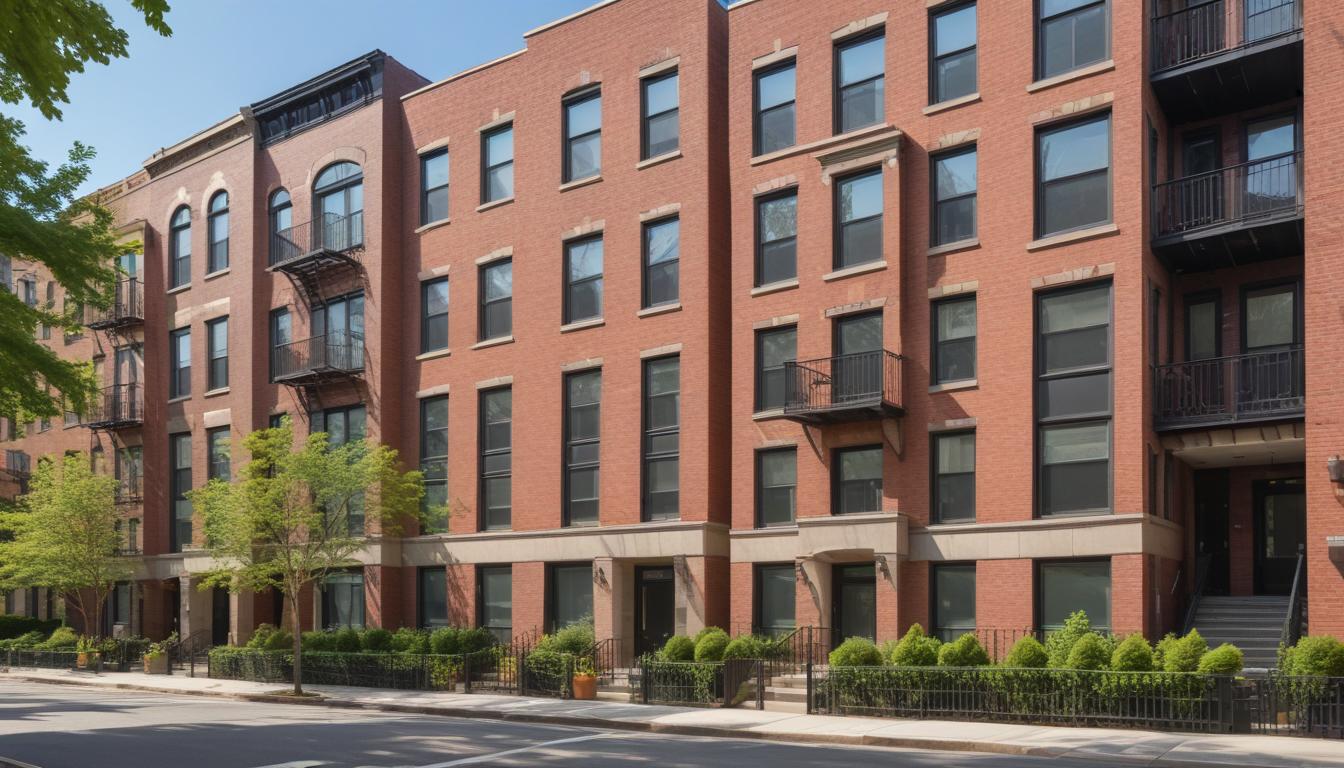
The numbers tell a striking story. A portfolio analysis of developments financed through the city's Inclusionary Housing program shows stabilized properties in neighborhoods like Sunset Park and Long Island City generating 4.5 to 5.8 percent annual returns on equity—competitive with traditional multifamily assets, despite 30 to 50 percent of units being permanently affordable. These returns emerge from mixed-income stratification: market-rate units subsidize affordable ones, while density bonuses and tax credits offset developer costs.
Consider the Hudson Yards expansion zone, where several mixed-income projects have achieved stabilization. Investors report cash-on-cash returns of 5 to 6 percent within five years of lease-up, with long-term appreciation driven by neighborhood growth rather than pure rental escalation. The model works because permanence attracts institutional capital—pension funds and foundations increasingly view 30-year affordability covenants as de-risking mechanisms, not liabilities.
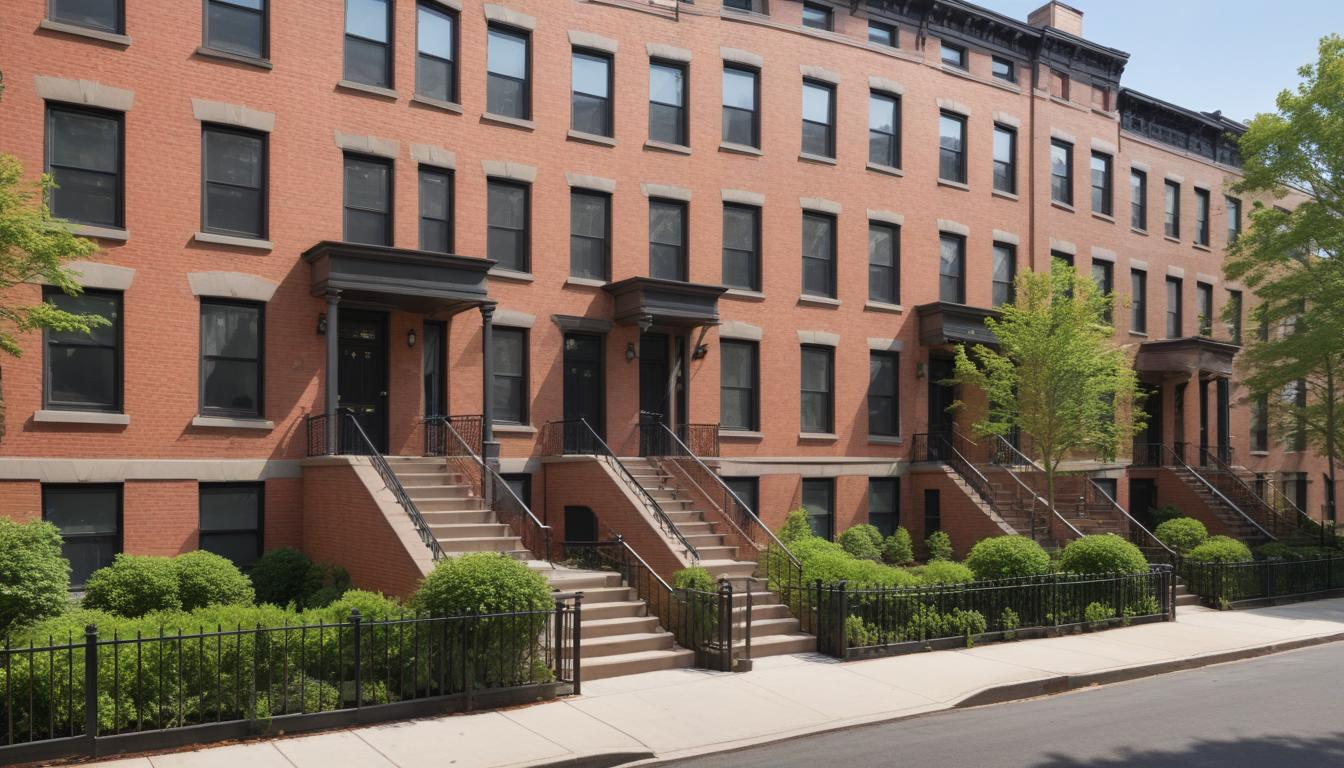
Queens has emerged as the testing ground for this thesis. Properties in Astoria, Jackson Heights, and Forest Hills developed under the city's expanded zoning for accessory dwelling units and mandatory inclusionary housing are attracting secondary market buyers willing to accept moderate yields for stable, low-volatility cash flow. Several recent transactions show investors paying in the $650,000 to $750,000 range for permanently affordable units in these neighborhoods—a premium over traditional Section 8 housing, reflecting confidence in the asset class.
The data, however, reveals constraints. Developments in lower-demand areas—portions of East New York, Sunset Park's deeper blocks—struggle to achieve 4 percent returns, forcing reliance on philanthropic capital or ground leases to pencil. And the mathematics remain unforgiving: even with density bonuses and tax credits worth $300,000 to $500,000 per affordable unit, developers report margin compression of 2 to 4 percentage points compared to market-rate-only projects.
What's shifting is investor appetite for that compression. Community Development Financial Institutions report surge in capital seeking affordable housing vehicles, driven partly by ESG mandates but also by genuine yield appreciation. The city's recent expansion of zoning regulations—particularly the removal of single-family zoning in outer boroughs—has unlocked previously constrained land values, allowing affordable housing to compete for sites that once seemed economically unviable.
The lesson: social housing yields returns when scale, permanence, and density align. For New York, that means continued reliance on mixed-income models and regulatory density bonuses. Pure affordability won't attract yield-seeking capital. Hybrid models will.
This article was compiled by AI from the sources linked above and screened before publishing. See our editorial standards.