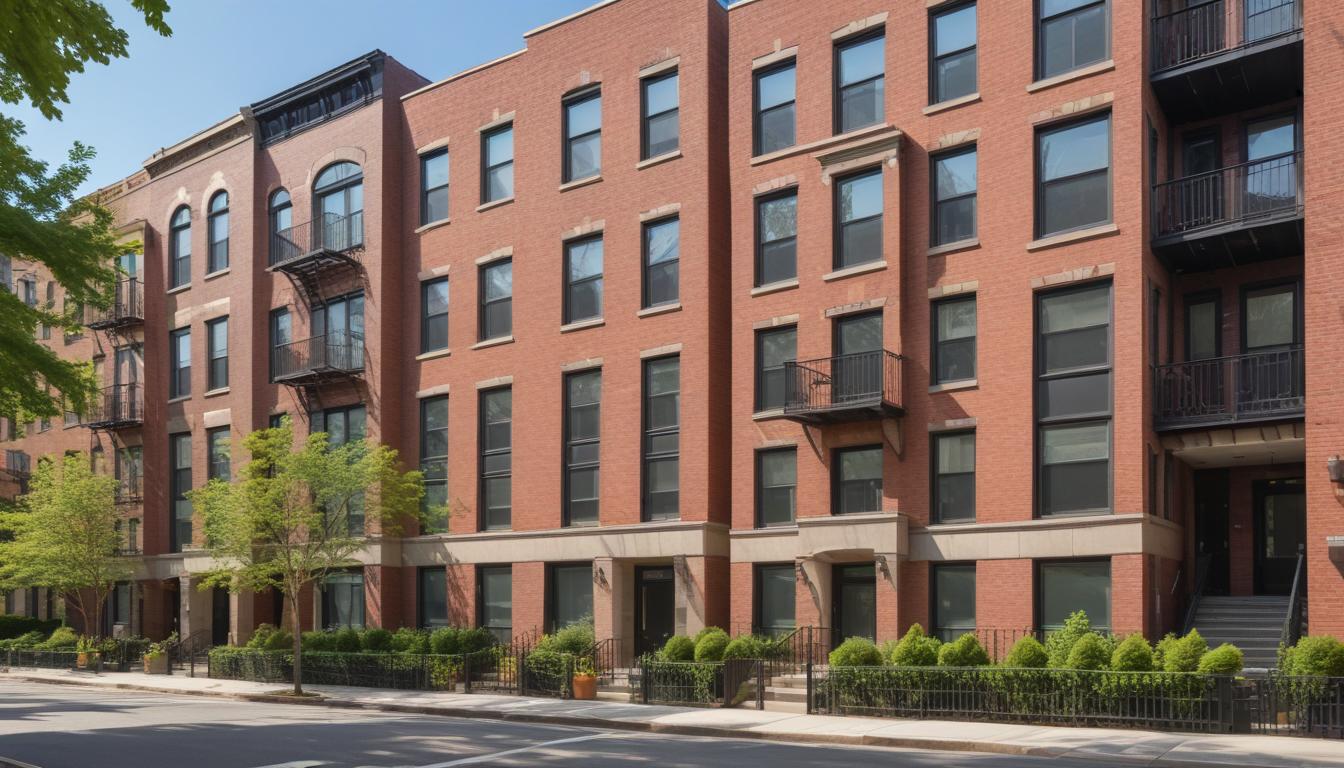
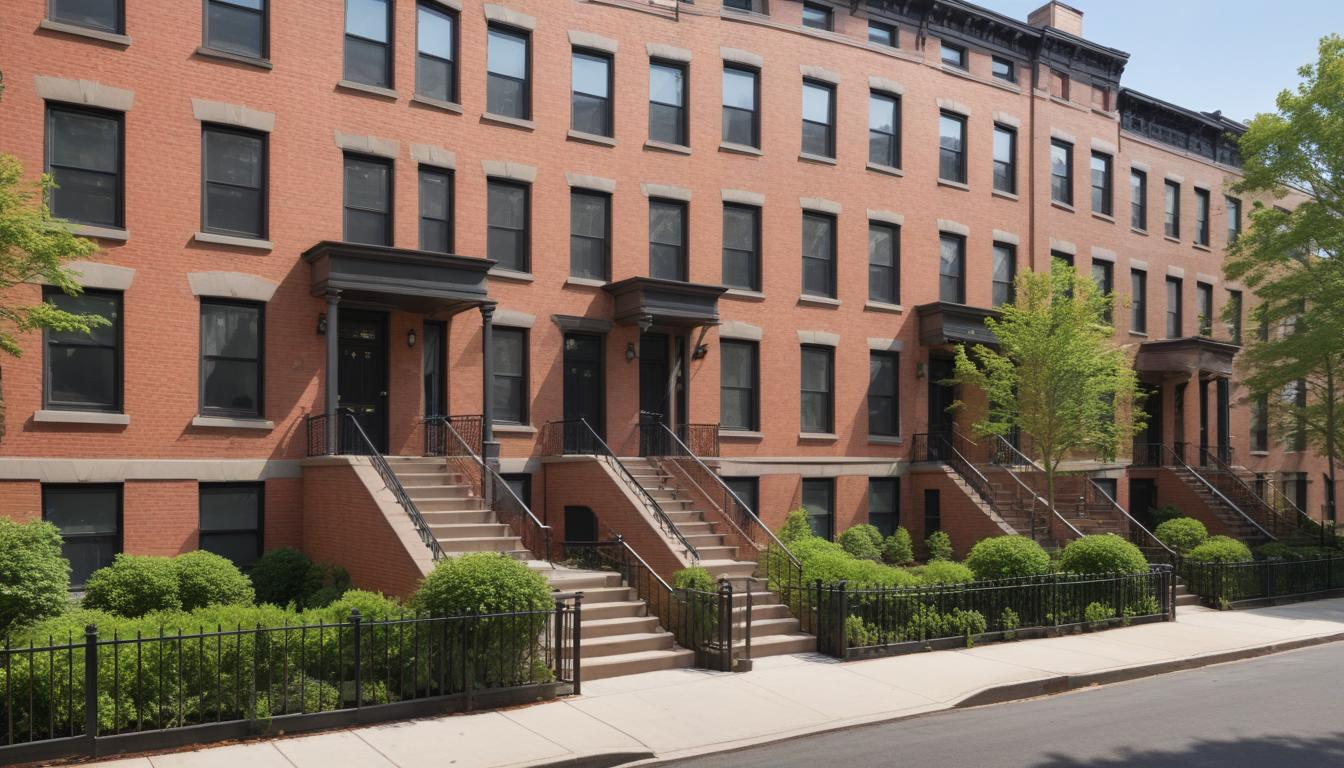
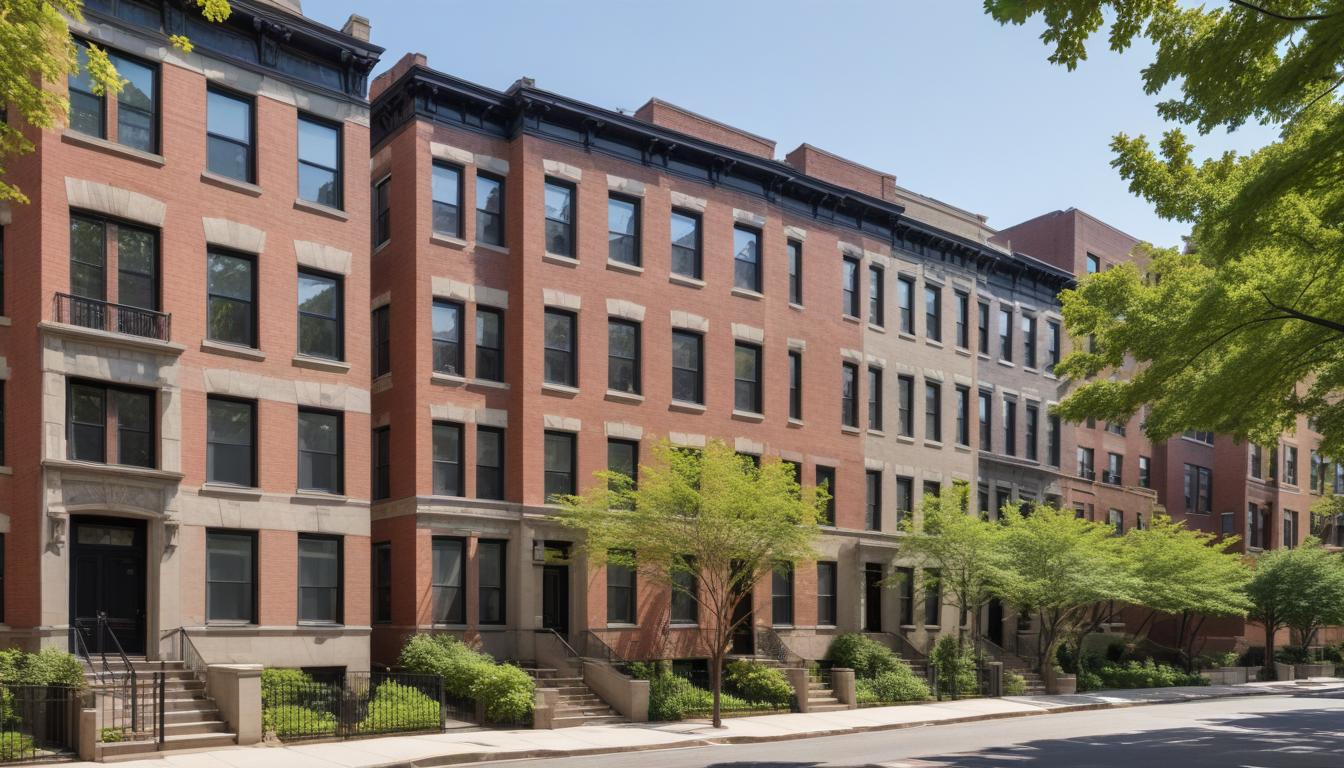
The rental market in New York City has tightened considerably over the past eighteen months, with vacancy rates in Manhattan and prime Brooklyn neighborhoods hovering between 1.5 and 2.8 percent—well below the 5 percent threshold typically considered healthy for either side. For tenants, that scarcity translates into brutal competition. For landlords, it means leverage they haven't seen in years.
In neighborhoods like Park Slope and Williamsburg, where two-bedroom apartments regularly command $3,200 to $3,800 monthly, landlords are reporting multiple competing applications within 48 hours of listing. Renters who once negotiated lease terms or broker fee concessions now find themselves waiving inspections, guaranteeing longer-term commitments, and surrendering standard protections just to secure an apartment. The psychological cost is equally steep: endless open houses, constant rejections, the pressure to decide in minutes.
"What's shifted is the information asymmetry," explains the perspective of market analysts tracking the sector. Landlords control the narrative. Traditional tenant protections—like the right to negotiate or time for decision-making—feel like luxuries rather than norms.
Meanwhile, property owners face their own pressures. While low vacancy rates boost rental income, they've also created operational headaches. Finding reliable tenants amid high turnover costs money. Many small landlords, particularly those with single or dual units in areas like the Upper West Side or Astoria, are caught between maximizing rent and maintaining stable, long-term relationships. A vacant unit—rare as that is—costs thousands weekly.
Regulatory complexity amplifies the tension. New York's rent-stabilization laws and recent good-cause eviction provisions protect tenants but create uncertainty for landlords. Some have responded by raising rents aggressively when leases expire, banking on limited alternatives for displaced tenants. Others have shifted strategy entirely, converting rental buildings to condominiums—a trend accelerating in neighborhoods south of 96th Street in Manhattan.
The outer boroughs tell a different story. Queens neighborhoods like Long Island City and Forest Hills show slightly higher vacancy rates, around 3 to 4 percent, offering both tenants and landlords more breathing room and negotiating power. Rents there remain comparatively modest—one-bedroom apartments averaging $1,900—though that too is climbing.
For tenants, the lesson is clear: speed and flexibility matter. For landlords, the opportunity window is narrowing. As interest rates stabilize and new residential development accelerates across the five boroughs, this seller's market will eventually recalibrate. Until then, both sides are playing a high-stakes game where information, timing, and willingness to compromise determine winners and losers.
This article was compiled by AI from the sources linked above and screened before publishing. See our editorial standards.