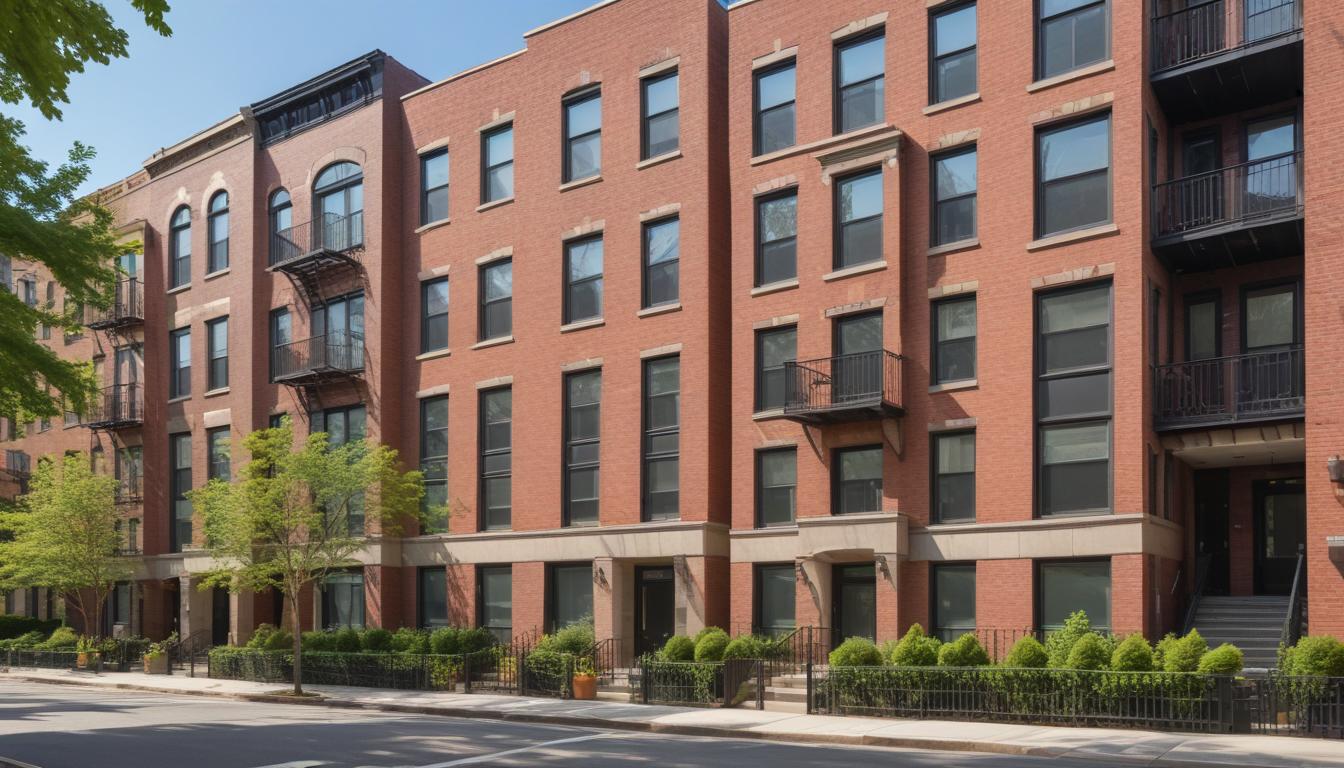
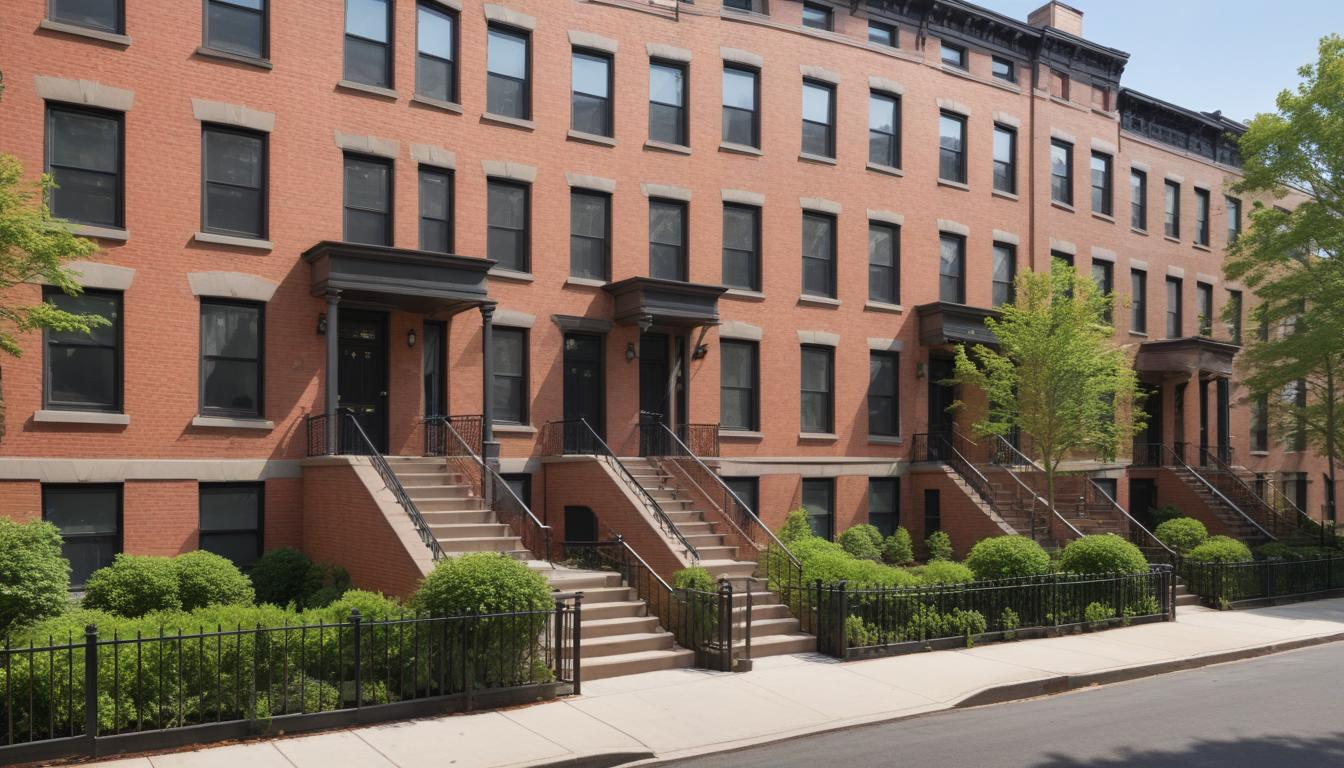
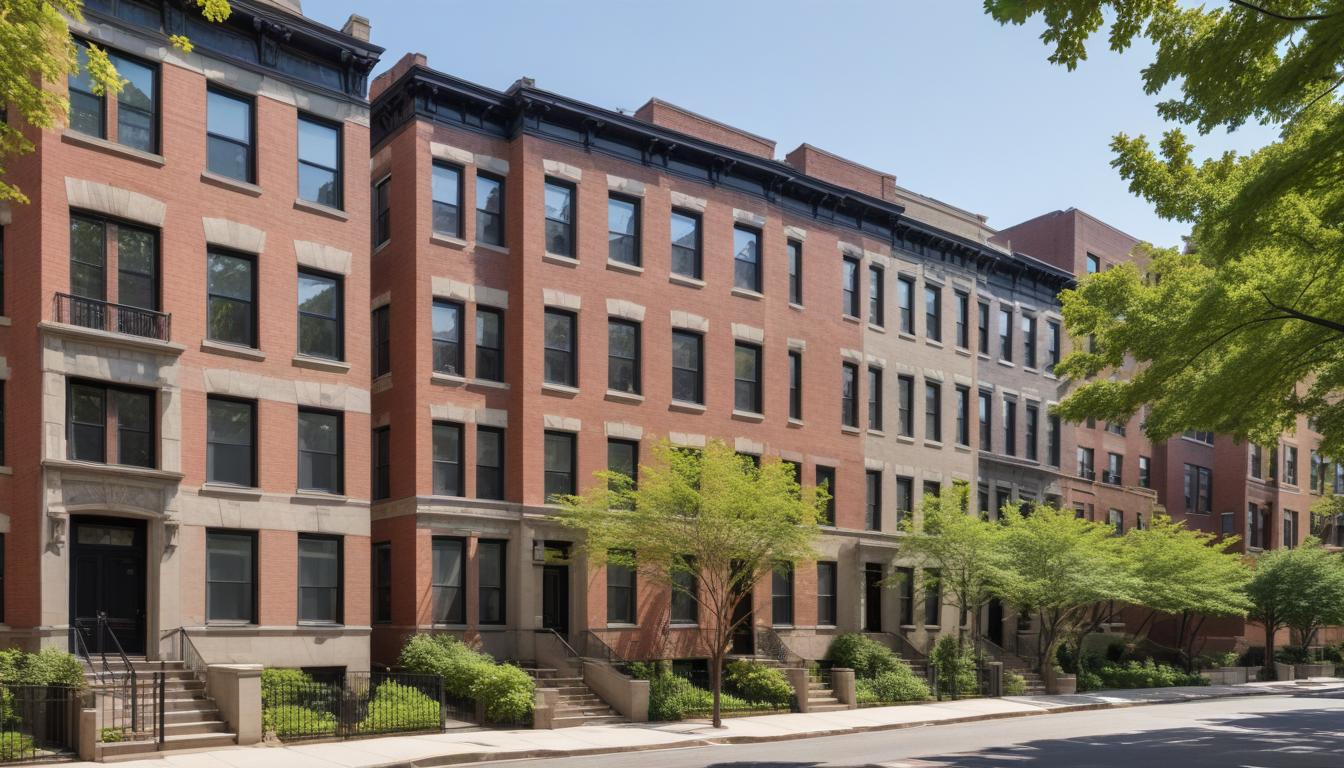
What Price Data and Auction Results Are Really Signalling About NYC's Housing Crunch
As median prices plateau and clearance rates slip, the market is sending mixed messages about where New York's affordability crisis heads next.
As median prices plateau and clearance rates slip, the market is sending mixed messages about where New York's affordability crisis heads next.
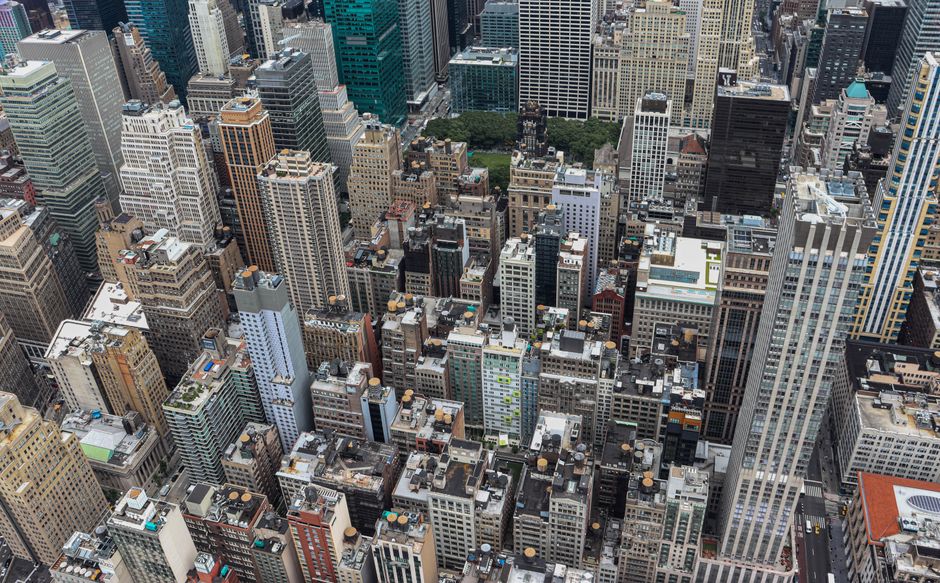
New York's property market is at a crossroads. While Manhattan co-ops and condos remain stubbornly anchored above $1.3 million, recent auction data and price trends across the five boroughs suggest the city's housing squeeze may be entering a new phase—one where traditional metrics no longer tell the complete story.
The signals are contradictory. Median home prices have largely stabilized around $800,000 citywide, yet clearance rates at major auction houses have softened noticeably over the past eight months. Properties that moved swiftly two years ago now linger on the block, suggesting buyer appetite is narrowing even as inventory remains constrained. A 72-unit development site in Astoria that sold at auction for near $2 million earlier this spring—despite a crowded market and new zoning clearance challenges—hints that institutional investors still see value in outer-borough land. But the price-per-unit pencils out only if rents climb further or construction costs drop. Neither seems imminent.
The real story is in the neighborhoods. Brooklyn's core markets—Park Slope, Carroll Gardens, Williamsburg—are showing resilience, with median prices up modestly year-over-year. Yet Queens, long positioned as the city's affordability escape valve, is tightening. Long Island City and Astoria, which attracted young professionals fleeing Manhattan rents above $3,500 for a one-bedroom, are themselves approaching saturation. A two-bedroom rental in Long Island City now runs $3,200 to $3,600 monthly—hardly the bargain it promised five years ago.
What's driving this? Supply-side constraints remain the culprit. Despite expanded ADU zoning in outer boroughs and increased conversion activity in older commercial buildings, new housing units aren't matching population demand. Auction results suggest developers are waiting for clearer signals on financing and labor costs before breaking ground. The 'Home for a Home' initiative targeting vulnerable overseas families has pushed nonprofit and mixed-income projects into the conversation, but these address a fraction of the gap.
Perhaps most telling: luxury segments remain decoupled from middle-market reality. That $2.3 million penthouse in Tribeca—marketed partly as an automotive collector's dream—sold in weeks. Meanwhile, a modest two-bedroom asking $995,000 in Sunset Park stayed on market for six months.
The auction and price data are signalling that New York's affordability crisis isn't resolving through market forces alone. Without regulatory intervention or significant supply acceleration, expect prices in accessible neighborhoods to continue their slow climb, while competition for entry-level inventory intensifies across Brooklyn and Queens.
This article was compiled by AI from the sources linked above and screened before publishing. See our editorial standards.
How does this story make you feel?
Spread the word
About this article
Published by The Daily New York
Daily brief
Free, in your inbox before 7am. Weekdays.
More in Property