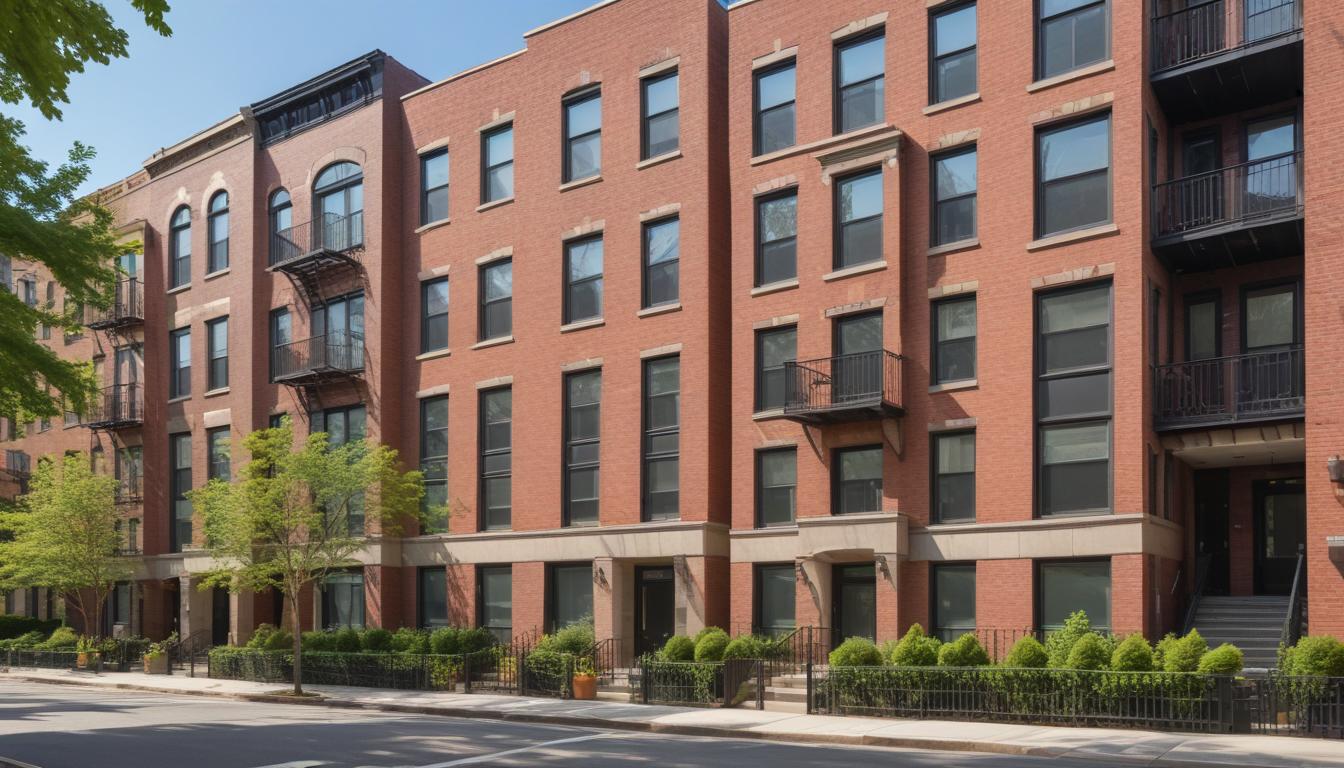
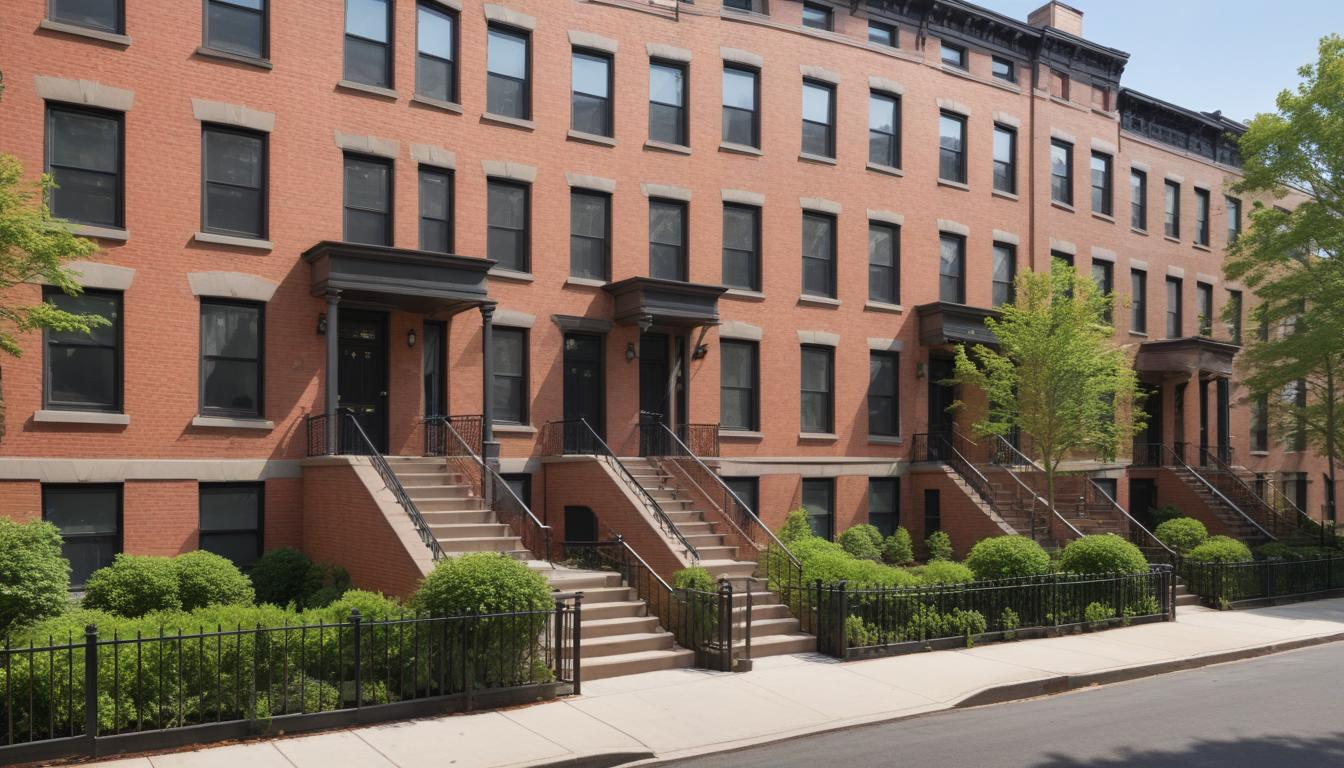
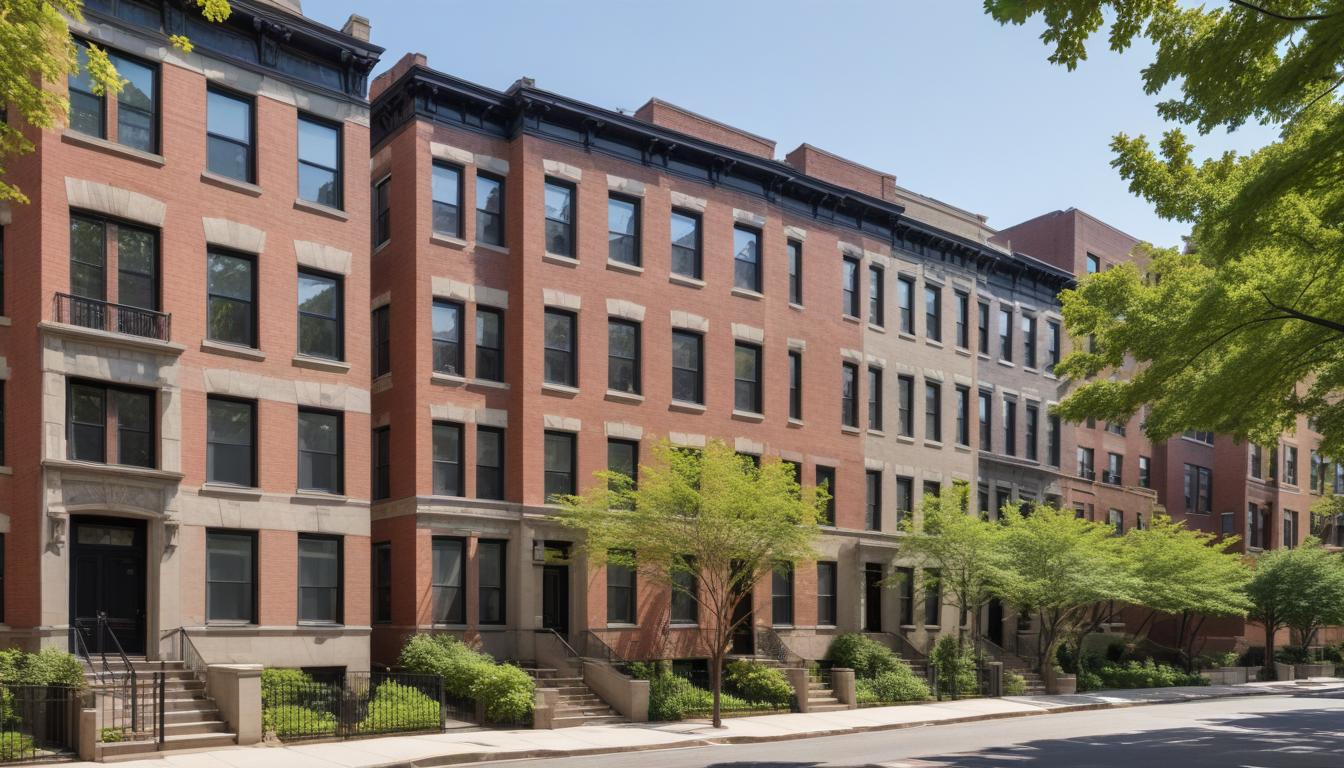
The rental market's stranglehold on New York's housing ecosystem is creating an unexpected squeeze for first-time homebuyers. As landlords across Brooklyn and Queens raise rents to offset rising carrying costs and property taxes, tenants who should be accumulating down-payment reserves are instead watching their savings evaporate into monthly lease payments.
Data from the NYC Housing Authority and private analysts shows median rents in Williamsburg and Greenpoint have climbed to $3,400–$3,800 for a two-bedroom, up nearly 18 percent since 2024. In Long Island City, where waterfront development has accelerated, similar units command $3,600 and above. For a household earning the city's median income of approximately $75,000, this consumes nearly 60 percent of gross earnings—well above the prudent 30 percent threshold.
The consequence is stark: fewer renters qualify for mortgage pre-approval while still meeting rent obligations. Banks typically require debt-to-income ratios below 43 percent; a tenant paying $3,600 monthly rent alongside student loans faces rejection before they can even discuss first-home programs.
New York State's down-payment assistance initiatives—including the Enhanced Housing Opportunities Program and property tax abatement schemes for first-timers—remain underutilized partly because applicants cannot simultaneously manage high rents and build equity. The state's Homes for Working Families program offers grants up to $30,000, but eligibility caps at $104,500 household income, making it inaccessible to many outer-borough professionals priced into Astoria or Forest Hills apartments.
Landlords, meanwhile, face their own pressures. Property tax increases across Sunset Park and Ditmas Park have forced some smaller operators to raise rents aggressively to maintain margins. The result: a fractured market where neither tenant nor owner benefits from stability.
Credit unions and nonprofit lenders like Housing New York Fund are addressing gaps traditional banks leave, offering modified debt-calculation formulas and adjusted income thresholds. Several institutions now offer "rent-to-own" documentation frameworks, treating rental payment history as proof of creditworthiness—a nod to the reality that responsible tenants are being penalized by circumstances beyond their control.
For first-time buyers, the path forward requires strategic choices: seeking co-buyer partnerships, prioritizing neighborhoods slightly further afield—Jersey City and New Rochelle have emerged as viable alternatives—or waiting for regulatory interventions on rental growth. The city's zoning reforms expanding accessory dwelling units signal acknowledgment of this bind, though relief remains years away.
Until rental market pressure eases, first-time ownership in New York increasingly requires not just financial discipline, but geographic flexibility and patience.
This article was compiled by AI from the sources linked above and screened before publishing. See our editorial standards.