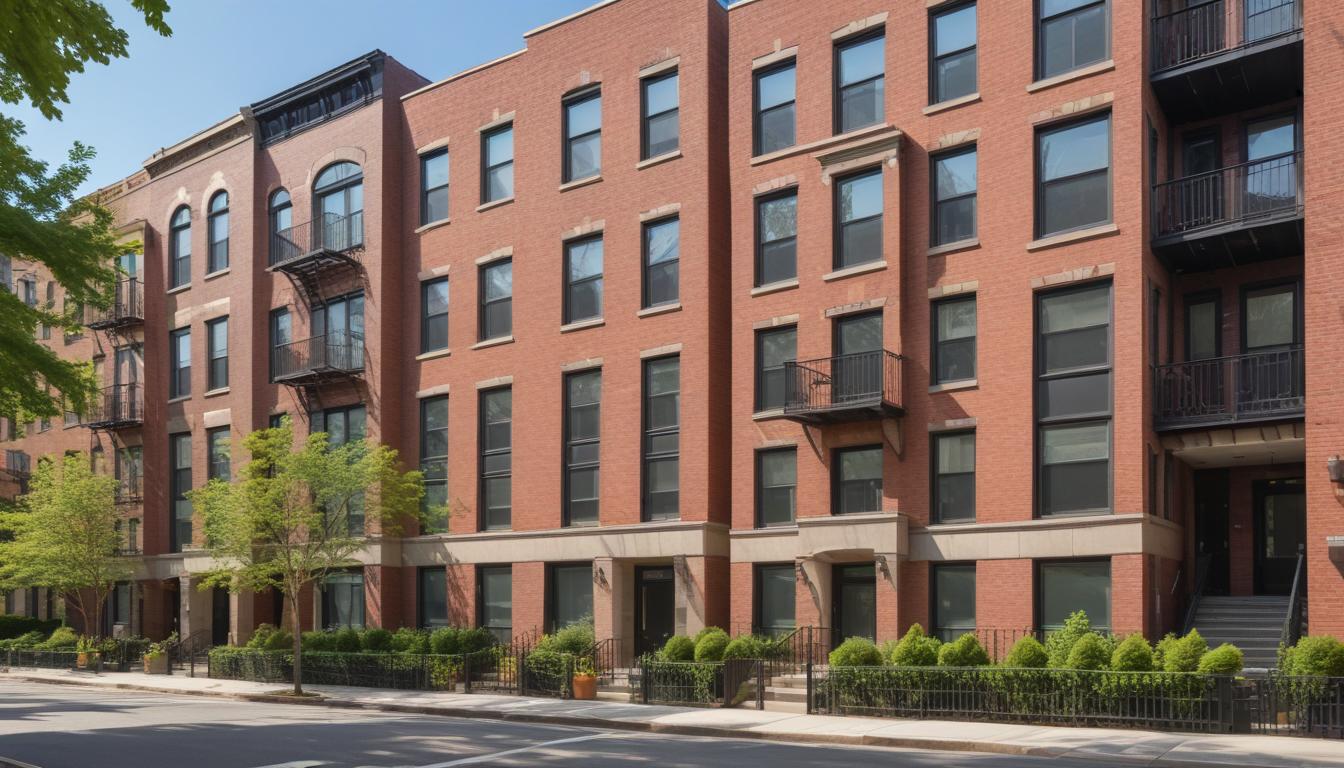
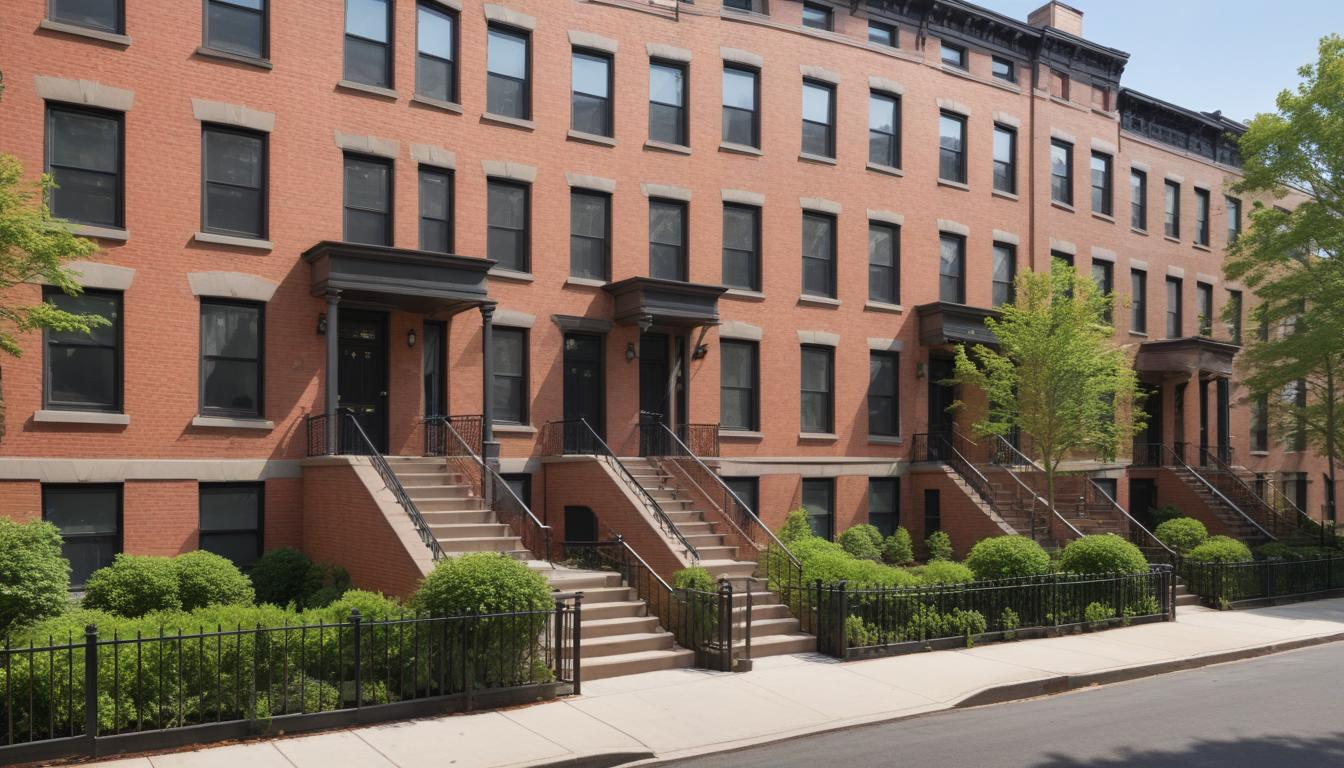
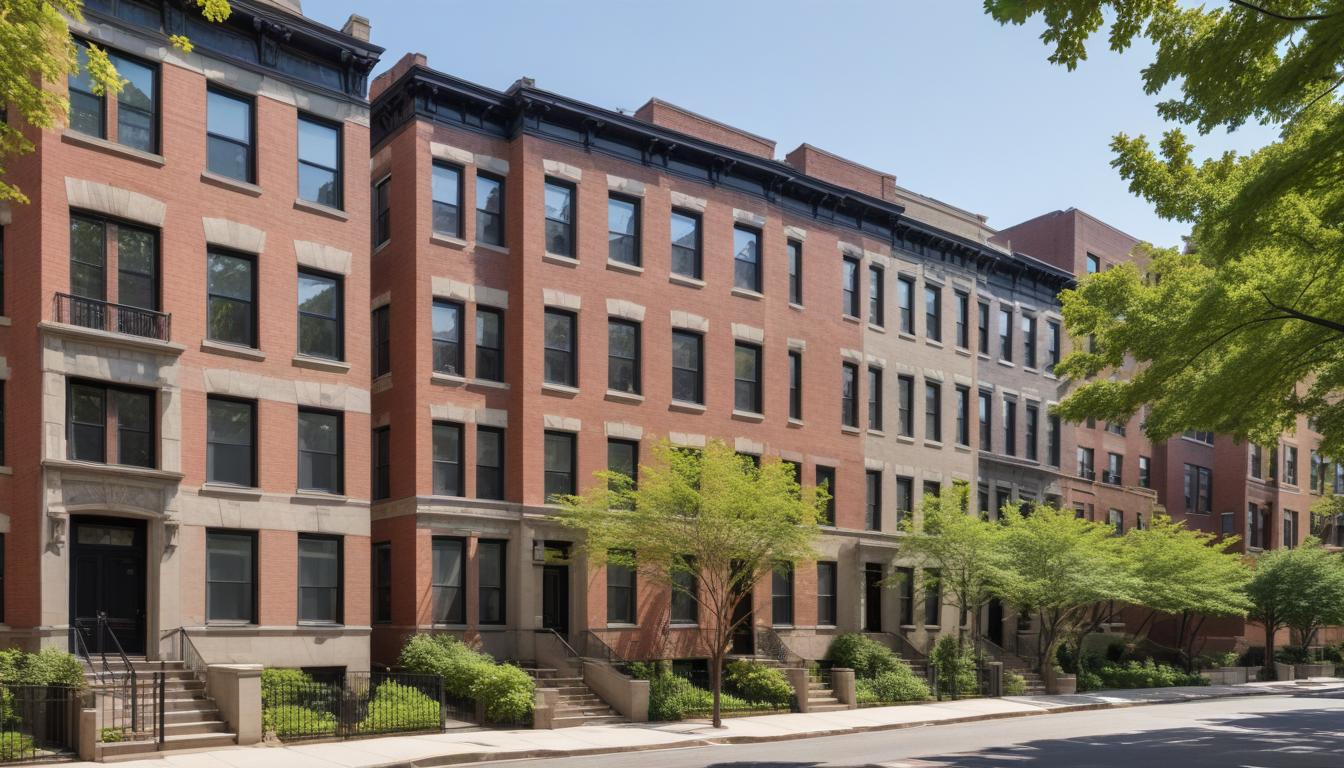
New York's rental market has entered a new phase of scarcity. Vacancy rates across Manhattan have plummeted to levels not seen since the pre-pandemic boom, with some neighborhoods reporting single-digit availability. For renters scanning listings in Tribeca, the Upper West Side, or Long Island City, the message is clear: the window to secure affordable space is closing fast.
The culprit? A confluence of factors reshaping the city's housing stock. Landlords, emboldened by rising property valuations—Manhattan median asking rents now exceed $3,500 for a one-bedroom in many central neighborhoods—are converting rental units into condominiums. Simultaneously, short-term rental restrictions have freed some supply, but not enough to offset losses elsewhere. The result is a market where tenant power has evaporated almost entirely.
Data from the Real Estate Board of New York reveals that new lease signings downtown have contracted while asking rents in neighborhoods like Park Slope and Astoria continue climbing. Tenants priced out of Manhattan are flooding into Queens and Brooklyn, driving competition in previously affordable areas like Forest Hills and Sunset Park. A one-bedroom that rented for $1,800 two years ago now commands $2,400—a 33 percent jump.
What should renters know before hunting? First, timing matters enormously. Mid-week apartment tours face less competition than weekends; viewings on Mondays and Tuesdays can yield marginally better negotiating positions. Second, the days of rental concessions—free months, broker fee waivers—have largely vanished. Landlords are demanding first month, last month, and security deposit upfront, plus proof of income at 40 times the monthly rent.
Third, neighborhood selection is now a financial calculus. The outer reaches of Brooklyn and Queens—places like Greenpoint, Astoria, or Forest Hills—still offer one-bedrooms under $2,200, but commuting times to Midtown Manhattan now average 45 minutes. Conversely, staying in or near Manhattan means accepting roommate situations or studio apartments.
Prospective renters should also scrutinize lease terms carefully. Some landlords are locking in two- or three-year agreements at premium rates, betting on further increases. Others are inserting escalation clauses that could push rents up 5-8 percent annually. Reading the fine print isn't optional—it's survival.
The New York City Housing Authority and community boards have begun flagging the crisis, but relief is months away at best. For now, renters navigating this market need cold logic, speed, and realistic expectations. The city that once promised opportunity is increasingly pricing out those seeking it.
This article was compiled by AI from the sources linked above and screened before publishing. See our editorial standards.