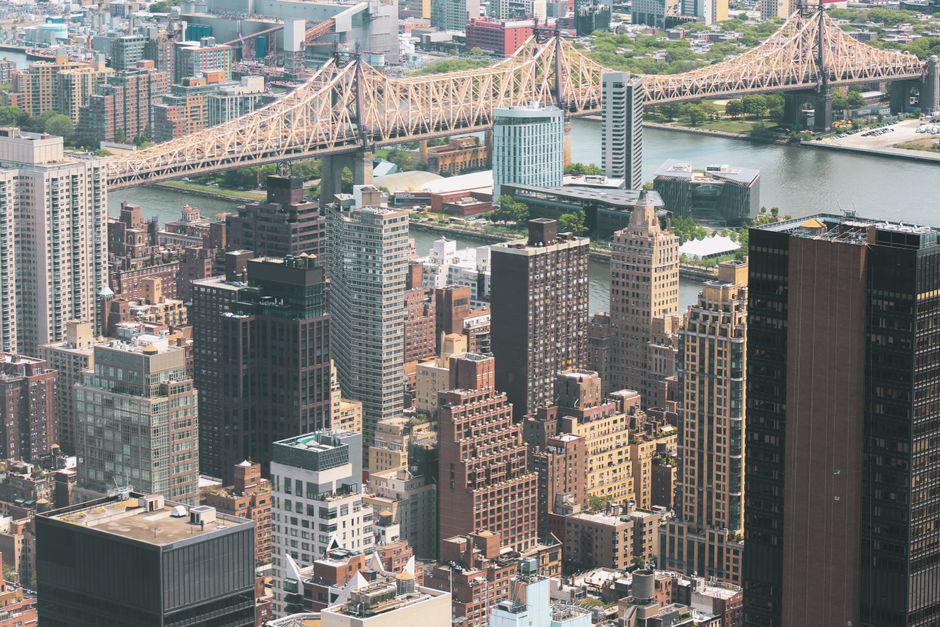
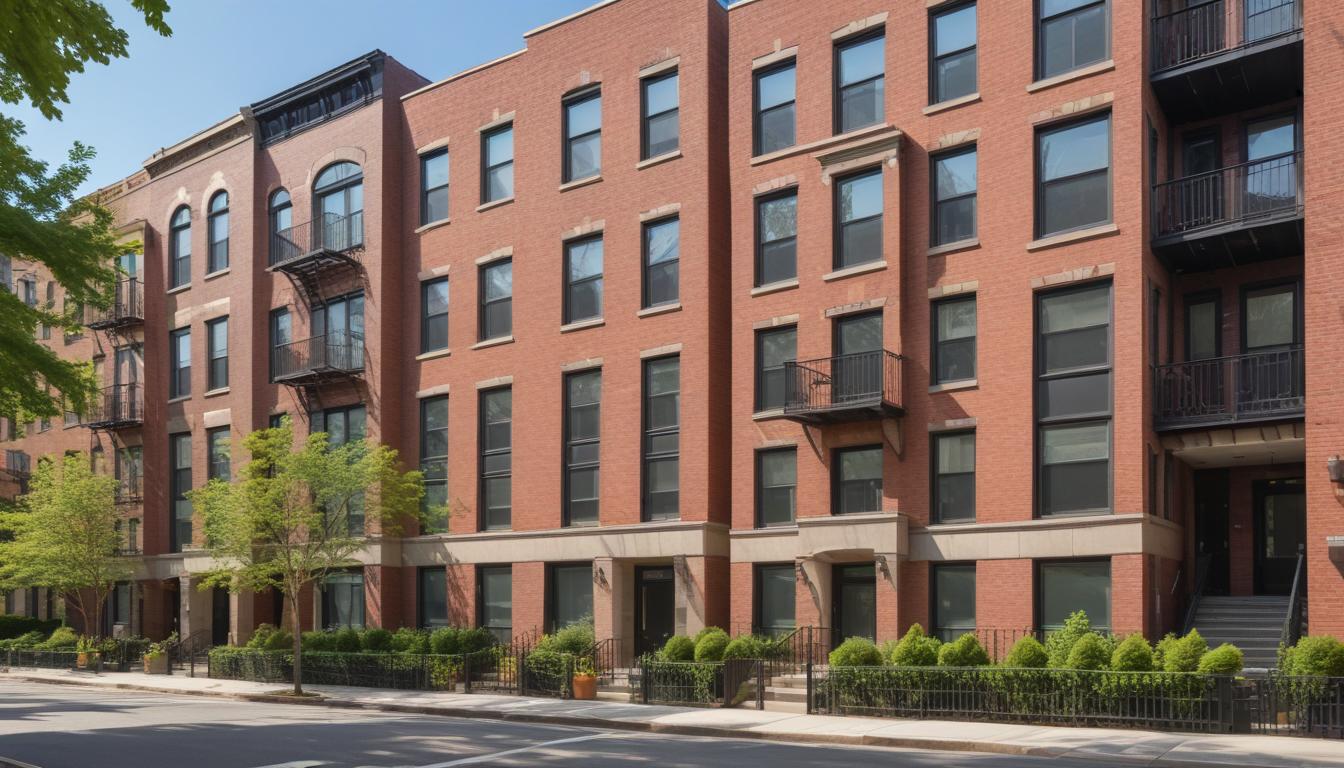
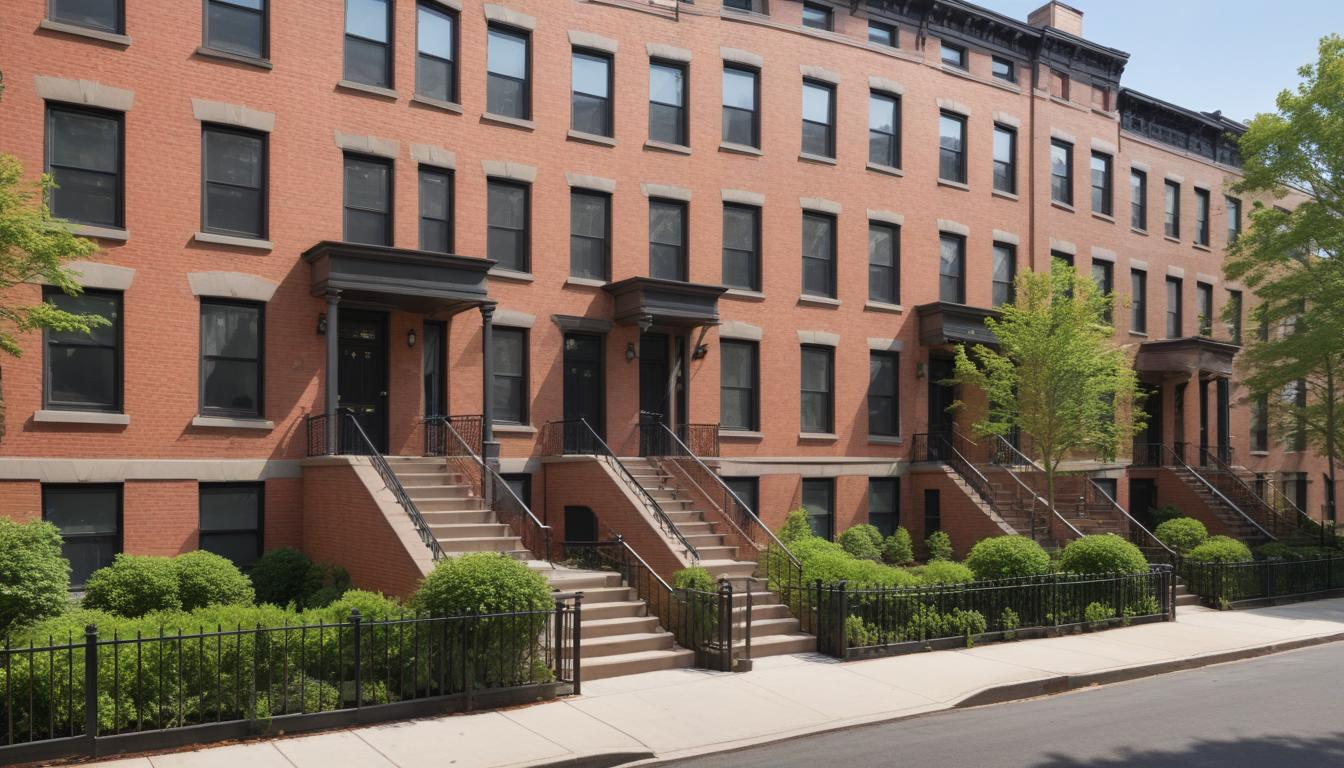
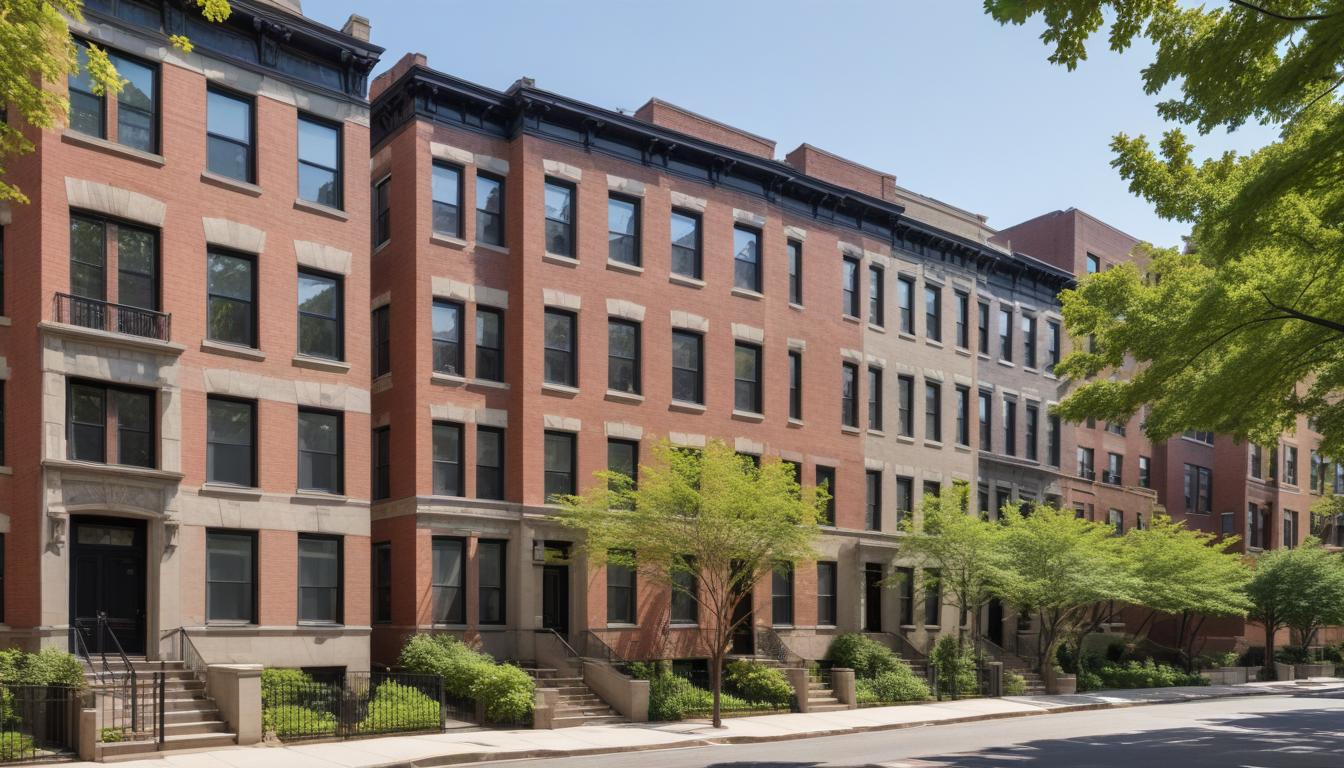
For decades, Astoria was the neighbourhood you passed through on the N train to get somewhere else. Today, it's where you're getting off.
The Long Island City satellite has undergone a remarkable transformation in the past 18 months, with median home prices climbing to $725,000—a 23% increase from June 2024. While still well below Manhattan's median of $800,000 and competitive Brooklyn markets, the trajectory tells a more compelling story: Astoria is no longer the affordable alternative. It's becoming the market itself.
The catalyst? Infrastructure and intentional development. The expansion of the Queens Plaza transit hub now connects residents directly to Midtown in under 20 minutes. Meanwhile, the Astoria Cove waterfront project along the East River has injected $1.3 billion in mixed-use development, transforming industrial blocks near Steinway Street into residential and commercial space. This isn't speculative fever—it's urban planning meeting market demand.
"You're seeing institutional money move in," says the Queens Chamber of Commerce, noting that residential conversion applications in Astoria jumped 34% year-over-year. Multi-family buildings along 31st Avenue and Ditmars Boulevard—traditionally rental stock—are being repositioned as condo conversions, signalling investor confidence in owner-occupancy demand.
The neighbourhood's appeal extends beyond price arbitrage. Astoria maintains genuine walkability: the Kaufman Astoria Studios anchor film and television production; Socrates Sculpture Park drawing cultural tourism; Astoria Park offering 61 acres of waterfront recreation. Young professionals priced out of Williamsburg and Long Island City are finding that a $650,000 one-bedroom here offers comparable square footage to a $900,000 equivalent in Brooklyn.
Rental dynamics support purchase valuations. Average monthly rents in Astoria hover around $2,100 for a one-bedroom—higher than the city's trending rental market five years ago, but still 15-20% below comparable Brooklyn units. This yield attracts investor-landlords seeking sustainable cash flow without the volatility of speculative markets.
The sustainability question lingers. If Astoria repeats the Williamsburg or Park Slope arc, median prices could approach $1 million within five years. Conversely, if market saturation arrives before job growth and neighbourhood identity solidify, the current surge could prove temporary.
What's undeniable: Astoria has moved from affordable refuge to legitimate investment destination. The neighbourhood isn't catching up to Brooklyn anymore. It's redefining what investment-grade real estate looks like in 2026 New York.
This article was compiled by AI from the sources linked above and screened before publishing. See our editorial standards.