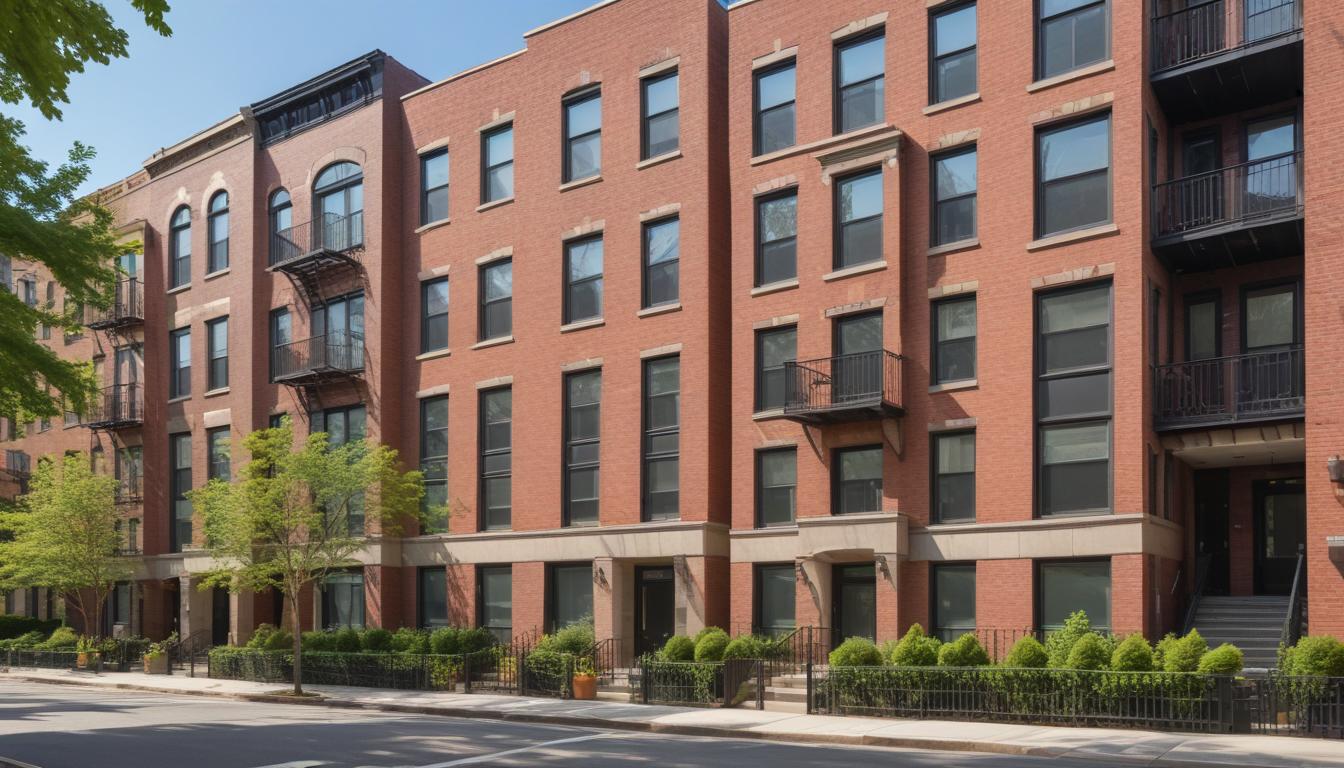
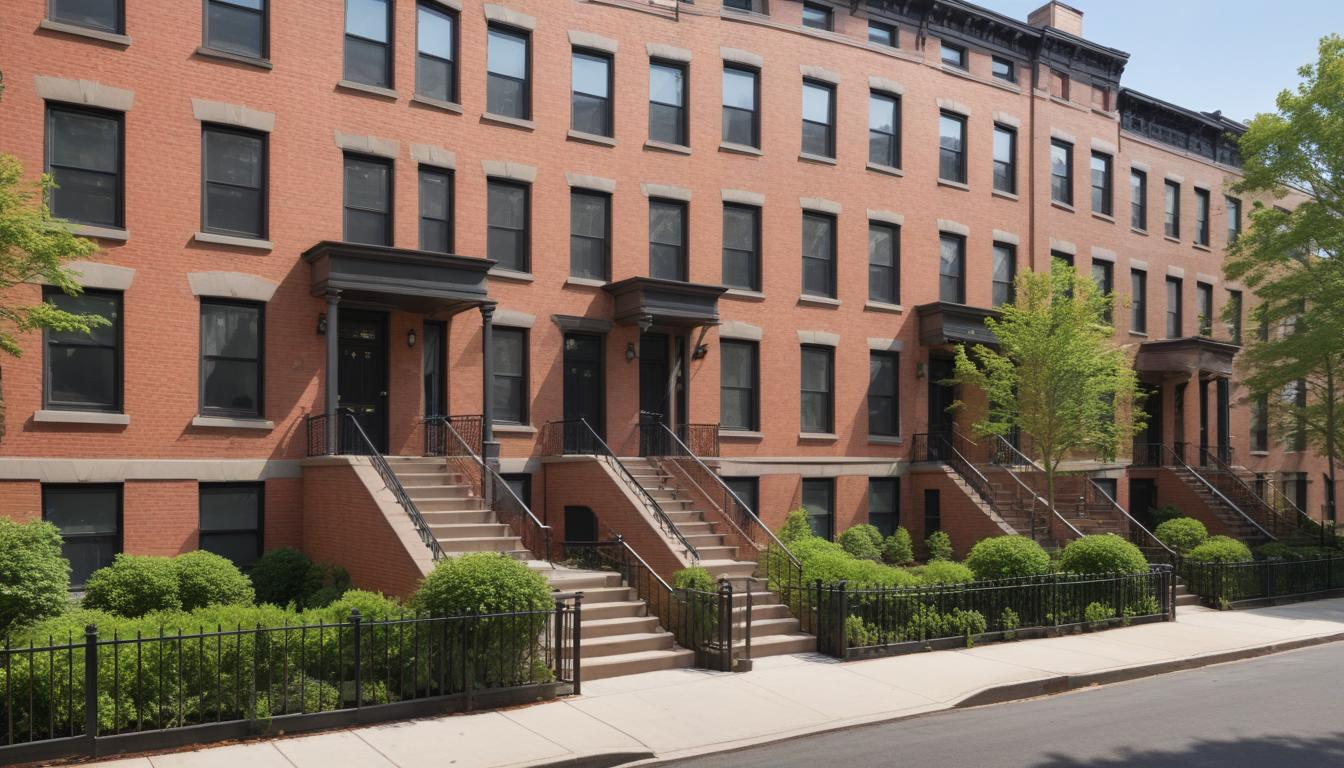
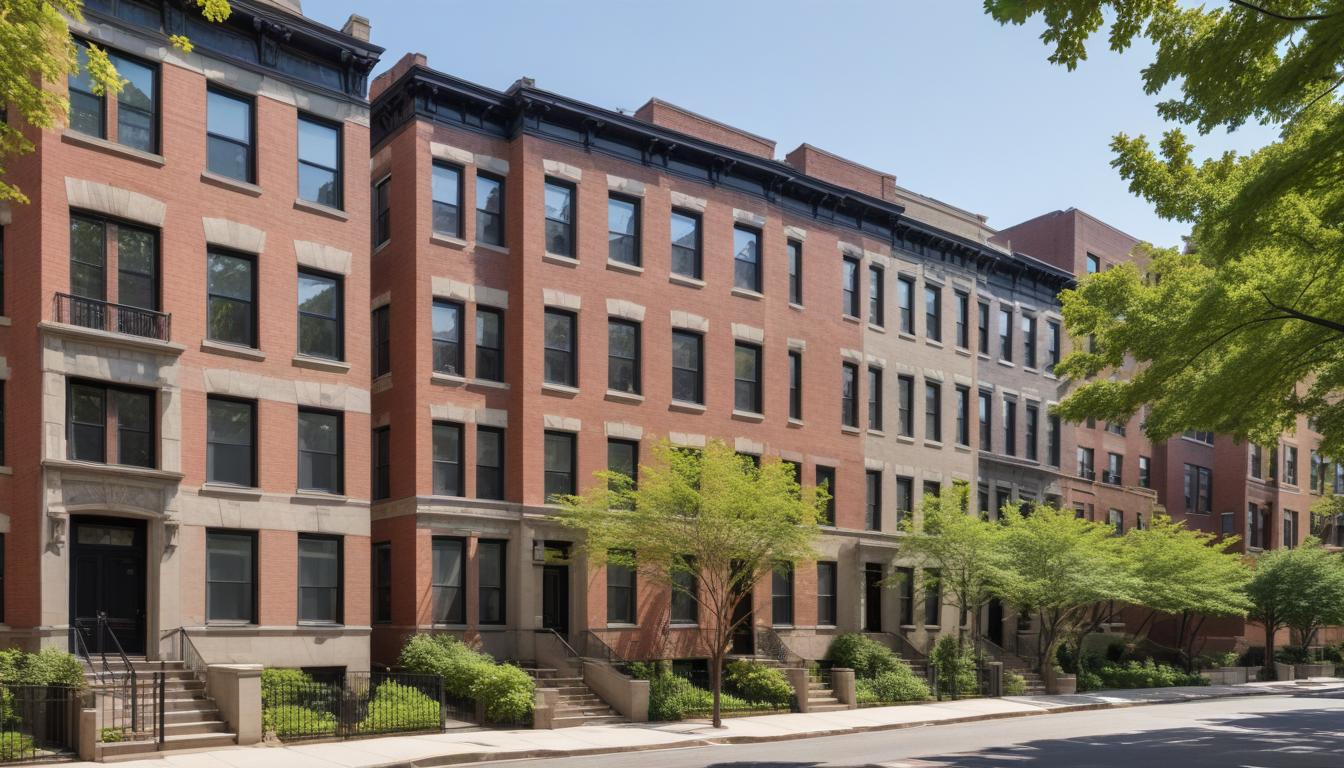
For years, Long Island City was the punchline to outer-borough jokes. Today, it's becoming the answer to a question that has haunted New York's first-home buyers: where can I actually afford to live?
The neighbourhood's transformation mirrors a broader shift in the city's property landscape. With Manhattan co-op and condo medians hovering above $1.3 million and Brooklyn's gentrified corridors increasingly out of reach, Long Island City—straddling Queens and offering waterfront proximity—has emerged as the rare pocket where entry-level buyers can still leverage available grants and financing without extending themselves into the next decade of payments.
Recent transactions along Jackson Avenue and the emerging blocks near Dutch Kills tell the story. One-bedroom condos that would command $650,000 to $750,000 in Astoria proper are selling for $520,000 to $580,000 just blocks east. Two-bedroom conversions, increasingly common in the neighbourhood's warehouse-to-residential boom, are landing in the $700,000 to $850,000 range—still below the city median of $800,000.
What's accelerating the shift is access to financing vehicles and state incentives. New York's Homes and Community Renewal has expanded first-home buyer grant eligibility to neighbourhoods like Long Island City, where income thresholds align with young professionals and essential workers. Combined with lower purchase prices, buyers are finding their down-payment gaps shrinking dramatically. A $600,000 purchase, once a fantasy, now feels feasible.
Local infrastructure is fuelling momentum too. The 7 train, once viewed as a commuter inconvenience, now anchors the neighbourhood's appeal. The opening of Gantry Plaza State Park waterfront access, rising food scenes around Court Square, and the promise of further transit upgrades are shifting perception from industrial outpost to genuine residential destination.
Institutional investment hasn't gone unnoticed. Major developers are converting former manufacturing spaces with urgency, recognising Long Island City's position as the last affordable play before full saturation. Competition is rising—but so are opportunities for organised first-time buyers moving decisively.
For those navigating the grants landscape, organisations like the Citizens Housing and Planning Council offer guidance on state and local programs tailored to outer-borough purchasers. The arithmetic is becoming clear: Long Island City offers scale of space, transit accessibility, and financing viability in a way few other neighbourhoods can currently match. The waterfront views are emerging. So are the first-time home owners.
This article was compiled by AI from the sources linked above and screened before publishing. See our editorial standards.