New Construction NYC Apartments: Price Shifts Explained
Long Island City and Brooklyn developments are accelerating. Learn how new residential projects impact NYC apartment prices and what buyers should know now.
Long Island City and Brooklyn developments are accelerating. Learn how new residential projects impact NYC apartment prices and what buyers should know now.

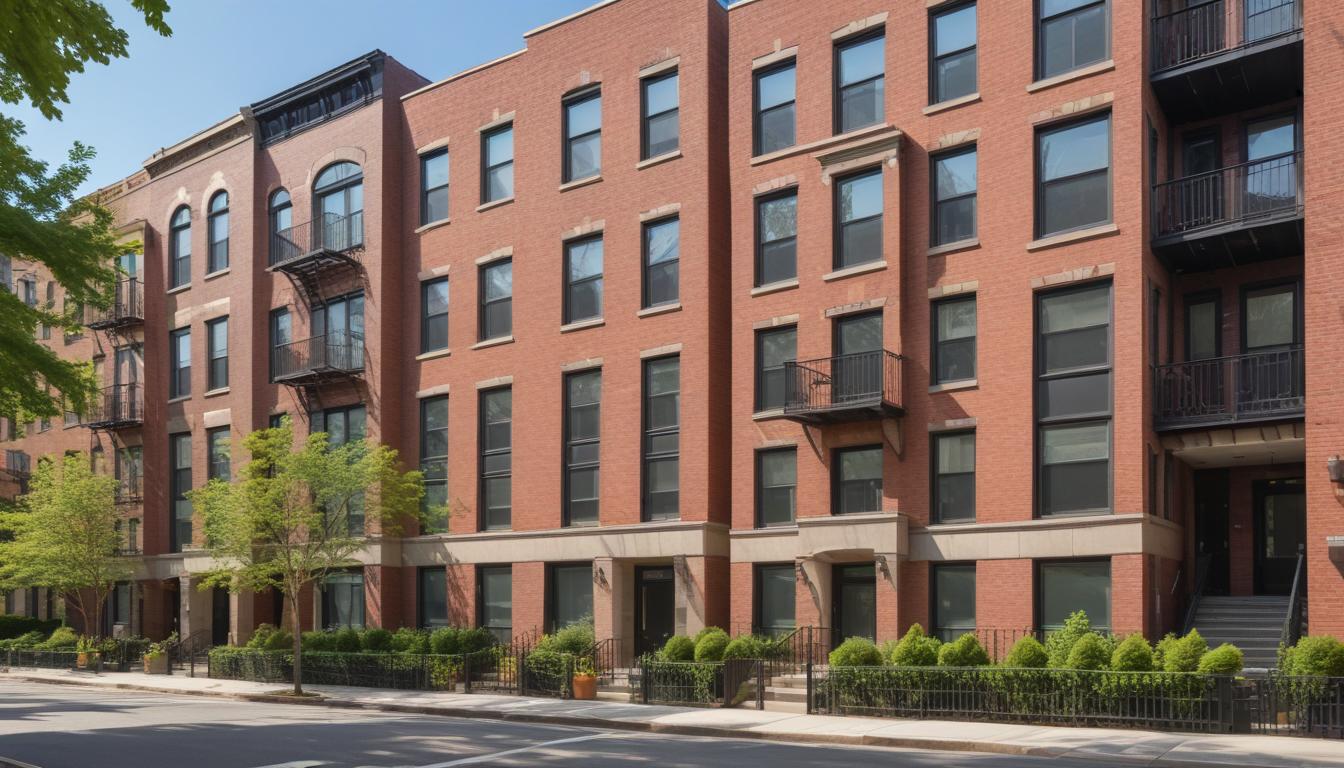
New York's residential construction pipeline has entered overdrive, and the ripple effects are already visible in neighborhood pricing strategies and buyer timelines. Between City Planning's recent rezoning initiatives and accelerated CEQR (City Environmental Quality Review) approvals, developers are fast-tracking projects that will add thousands of units over the next three to five years—fundamentally reshaping where young professionals and families can afford to live.
The catalyst is straightforward: land scarcity and regulatory pressure. With Manhattan median prices holding steady around $1.3 million for co-ops and condos, developers are pivoting to the outer boroughs. Long Island City, already transformed by the Queensboro Plaza rezoning, continues to draw major projects, while Williamsburg and Greenpoint in Brooklyn are seeing secondary wave development on smaller sites previously deemed unbuildable. The approval of modular construction techniques has also accelerated timelines—some projects that once took eight years to build are now penciled in for five.
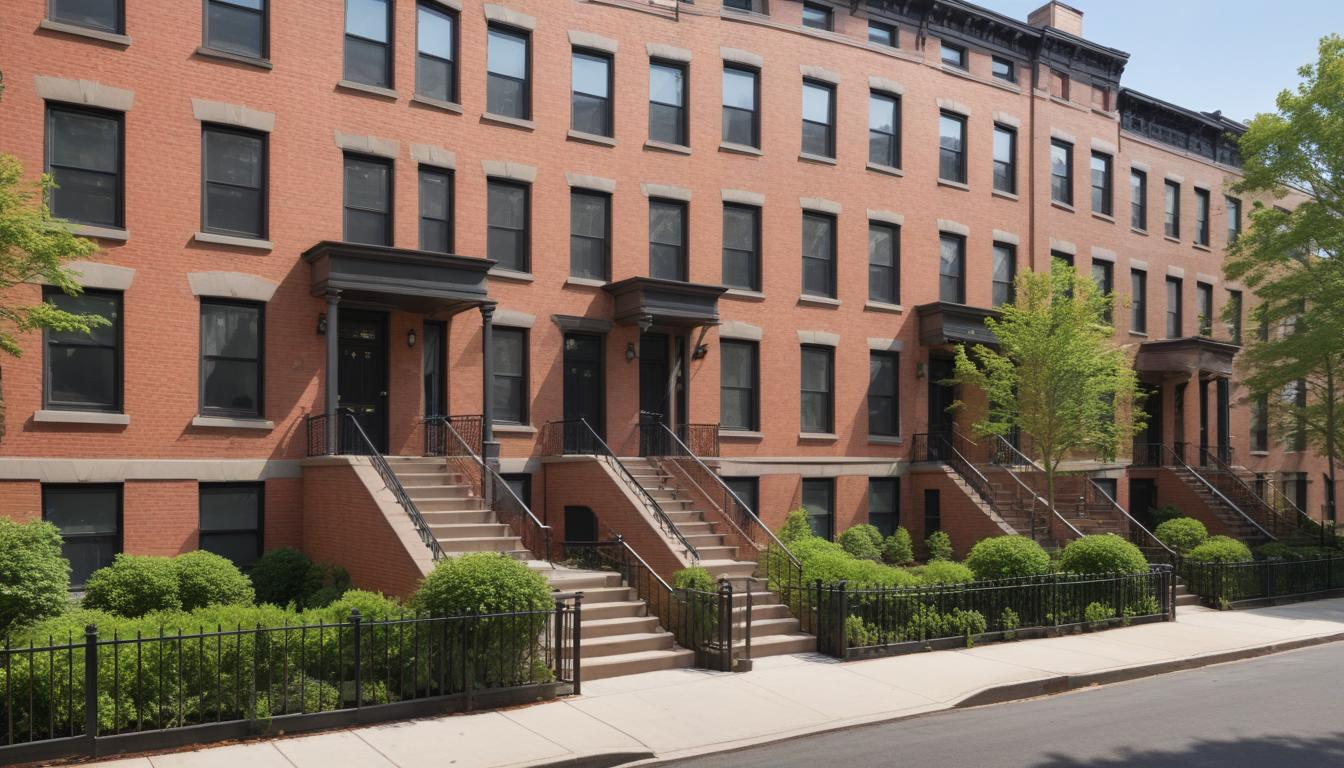
For buyers, this creates a window of opportunity, but timing matters. Prices in neighborhoods directly adjacent to new construction—think Astoria along the waterfront or Sunset Park near the Brooklyn-Queens Connector—are softening slightly as supply increases. A two-bedroom in these emerging zones that would have commanded $650,000 two years ago is now closer to $595,000, according to recent market analysis. However, this same supply push is driving prices upward in adjacent, established neighborhoods as buyers trade construction dust for walkability and proven community infrastructure.
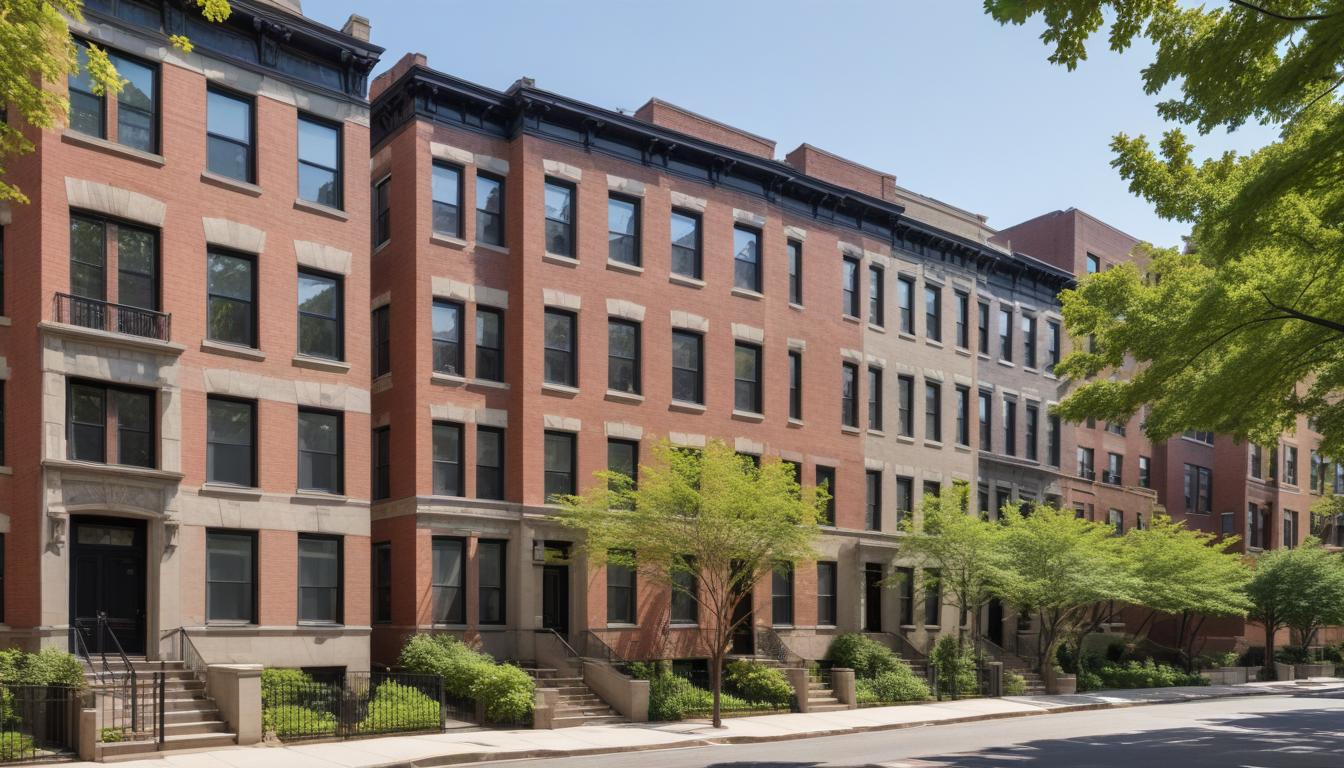
The real wildcard is zoning changes permitting accessory dwelling units (ADUs) across more of the city. The expansion of this policy in outer-borough neighborhoods means some single-family home owners are beginning renovation projects that will unlock rental income—indirectly boosting property values in blocks where ADU potential hadn't existed before. A brownstone on a tree-lined Prospect Heights block with ADU approval potential may carry a $200,000 premium over a similar building two blocks away without it.
What buyers need to understand: construction-adjacent properties are short-term discounts, not long-term plays. Neighborhoods like Astoria and Long Island City City will appreciate once projects stabilize and move-in dates arrive. But buyers seeking immediate equity should focus on established neighborhoods gaining quiet appreciation from secondary effects—the blocks one or two avenues away from major new development, where supply remains constrained and demand is rising.
The approval pipeline is transparent through the Department of City Planning's website, making due diligence easier than ever. Smart buyers are now cross-referencing proposed projects with their purchase timelines, understanding that a $600,000 purchase today in an emerging neighborhood may see realistic 15-20 percent appreciation by 2031.
This article was compiled by AI from the sources linked above and screened before publishing. See our editorial standards.
How does this story make you feel?
Spread the word
About this article
Published by The Daily New York
Daily brief
Free, in your inbox before 7am. Weekdays.
More in Property