What Price Data and Auction Results Are Signalling About NYC's Next Wave of Development
Softer land values and selective bidding patterns suggest developers are recalibrating expectations—and where they're willing to build.
Softer land values and selective bidding patterns suggest developers are recalibrating expectations—and where they're willing to build.
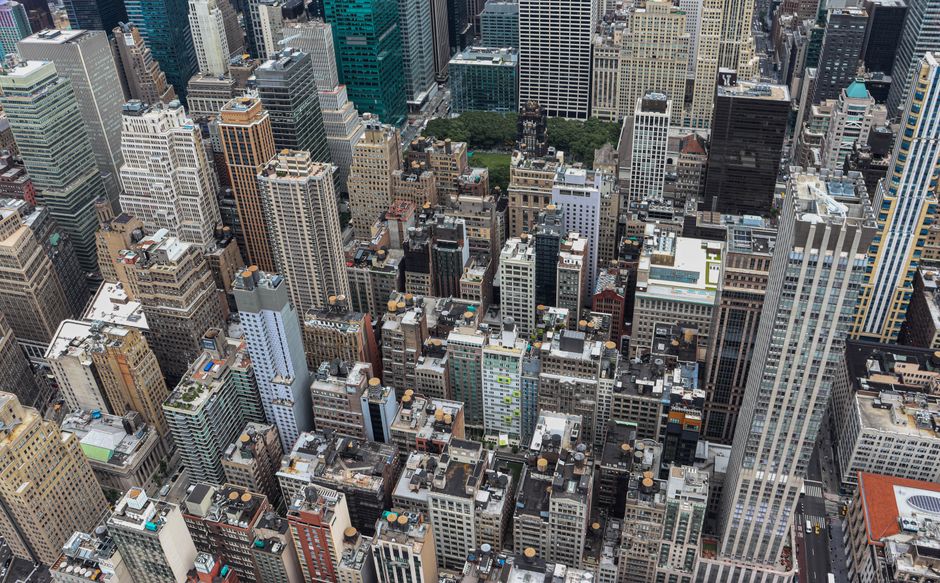
The Manhattan development pipeline has entered a new phase of clarity. Recent land auctions and sales data across New York are painting a picture markedly different from the frothy acquisition environment of 2023-24, and what's being signalled matters for the city's housing future.
Last month's sale of a vacant 0.3-acre parcel on the Lower East Side fetched $8.2 million—a figure that raised eyebrows precisely because it didn't set records. Three years ago, comparable sites in that corridor were moving at 30 to 40 percent premiums. The softening reflects a harder truth: development economics have shifted. Construction costs remain elevated, financing tighter, and approval timelines unpredictable. Developers are no longer bidding on hope.
What's particularly instructive is where money is still flowing. Auction results from the past quarter show concentrated interest in three corridors: waterfront Brooklyn (Williamsburg, Greenpoint), outer-borough nodes with transit access (Long Island City, Astoria), and parcels in communities where zoning already permits mid-to-high density. A 1.2-acre industrial site in Greenpoint, rezoned for residential use two years ago, sold for $47 million in May—representing $40.8 million per acre. Comparable unzoned land in East New York, despite community demand, barely moved.
The message is clear: approvals pre-date acquisition. Developers are no longer banking on rezoning campaigns or lengthy CEQR processes to justify premium prices. This is reshaping where projects get greenlit next.
City real estate data supports this pivot. Of 127 major residential projects filed with the Department of City Planning in the first half of 2026, 78 percent were located in communities that had undergone zoning reform within the past five years. Compare that to 2021, when 52 percent of filings were in already-rezoned areas. The pattern is unmistakable: developers now treat rezoning as a prerequisite, not an opportunity.
For housing advocates, the signal is mixed. Lower land acquisition costs could theoretically improve affordability economics. A reduced premium on raw land means more development capital available for construction and inclusionary units. But the second signal—concentrated site interest in fewer, already-approved corridors—suggests the pipeline will remain geographically narrow unless city agencies accelerate rezoning elsewhere.
The convergence of tighter financing, elevated construction costs, and selective bidding is creating a squeeze. Developers are rationing capital. They're building where approvals are certain. And they're paying what comparable, entitled projects justify—not more.
For the next 18 months, watch outer-borough waterfront sites and transit-rich neighborhoods that have cleared the planning gauntlet. That's where development money wants to go. Everywhere else, the auction silence is instructive too.
This article was compiled by AI from the sources linked above and screened before publishing. See our editorial standards.
How does this story make you feel?
Spread the word
About this article
Published by The Daily New York
Daily brief
Free, in your inbox before 7am. Weekdays.
More in Property